Top 10 Myths About Goldfish That Need Busting!
Welcome to a deep dive into the world of goldfish! These charming little creatures have captured the hearts of many, but they’ve also been surrounded by numerous myths that can lead to improper care. In this article, we’ll tackle ten of the most widespread myths about goldfish and set the record straight. By understanding these misconceptions, you’ll be better equipped to provide your goldfish with the best possible care, ensuring they live long, healthy lives.
Myth 1: Goldfish Have Only a Three-Second Memory
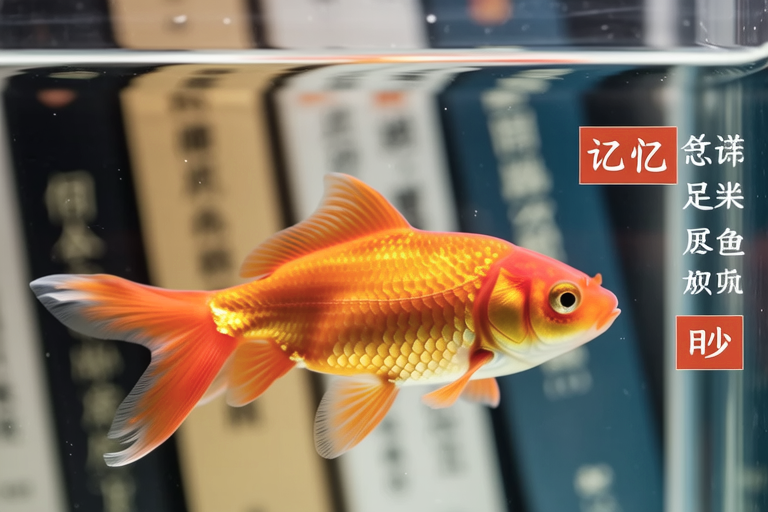
One of the most enduring myths about goldfish is that they have only a three-second memory. This misconception has led many to believe that goldfish cannot learn or remember anything. However, scientific studies have shown that goldfish possess much longer memories than just three seconds. In fact, goldfish can remember things for months, not minutes. They can learn to recognize their caretakers, associate feeding times with specific stimuli, and even navigate mazes. So, the next time you think about your goldfish as mindless blobs, remember that they are capable of learning and remembering.
Myth 2: Goldfish Can Live in Bowls
Another popular myth is that goldfish can thrive in small bowls. Nothing could be further from the truth. Goldfish require ample space to swim freely and maintain their health. A bowl simply doesn’t provide enough room for them to move around comfortably. In addition, bowls lack the necessary filtration systems that keep water clean and oxygenated. Without adequate filtration, the water quality can quickly deteriorate, leading to health issues for your fish. The ideal tank size for a single goldfish is at least 20 gallons, with additional space required for each additional fish.
Myth 3: Goldfish Are Easy to Feed
Feeding goldfish might seem straightforward, but there’s more to it than meets the eye. Many people assume that any food will do for goldfish, but this isn’t true. Goldfish have specific dietary needs that must be met to ensure their health. Overfeeding can lead to obesity and other health problems, while underfeeding can cause malnutrition. It’s essential to feed your goldfish a balanced diet consisting of high-quality flakes, pellets, and occasional treats like blanched vegetables or freeze-dried foods. Always follow the recommended feeding guidelines and avoid overfeeding to maintain a healthy weight for your fish.
Myth 4: Goldfish Don’t Require Heater or Filter
Contrary to popular belief, goldfish do need proper equipment to thrive in their aquatic environment. They require a heater to maintain consistent water temperature, especially during colder months, and a filter to keep the water clean and oxygenated. Without these essentials, the water quality can degrade rapidly, leading to stress and disease in your fish. Investing in a good quality heater and filter will go a long way in ensuring your goldfish’s well-being.
Myth 5: Goldfish Are Short-Lived Creatures
The lifespan of a goldfish is often underestimated. While some may live only a few years, many goldfish can live for decades when provided with optimal care. Factors such as water quality, diet, and living conditions play crucial roles in determining how long a goldfish will live. With proper care, it’s not uncommon for goldfish to reach ages of 10 to 15 years or even longer. Some records indicate goldfish living up to 40 years, showing that with the right care, longevity is achievable.
Myth 6: Goldfish Are Colorblind
Goldfish are not colorblind; they can perceive colors, although their vision differs from ours. Studies have shown that goldfish can distinguish between different colors and even respond to specific color stimuli. Their eyesight allows them to navigate their environment and find food, making color an important aspect of their lives. Understanding this can help you create a more stimulating and enriching environment for your goldfish, enhancing their overall quality of life.
Myth 7: Goldfish Need Saltwater
This myth stems from the idea that salt helps prevent diseases in fish. While salt can indeed be beneficial for certain conditions, goldfish are freshwater fish and should be kept in freshwater environments. Adding salt to a goldfish tank can disrupt the osmoregulation process, which is vital for their health. Instead of adding salt, focus on maintaining excellent water quality through regular water changes and proper filtration.
Myth 8: Goldfish Are Low-Maintenance Pets
While goldfish are generally hardy, they are not low-maintenance pets. Proper care requires regular attention to water quality, diet, and tank maintenance. Neglecting these aspects can lead to health issues for your goldfish. Regular water changes, monitoring water parameters, and providing a balanced diet are all part of responsible goldfish ownership. By investing time and effort into your goldfish’s care, you’ll ensure they remain healthy and happy companions for years to come.
Myth 9: Goldfish Are Suitable for Beginners
Although goldfish are often recommended for beginners due to their perceived ease of care, they actually require more attention and knowledge than many first-time pet owners realize. The myths surrounding goldfish care can lead to inadequate setups and improper care, which can harm the fish. For those new to fishkeeping, it’s advisable to start with simpler species and gradually build experience before taking on goldfish. Once you’re familiar with basic aquarium care, goldfish can be wonderful additions to your aquatic family.
Myth 10: Goldfish Should Be Kept Alone
Goldfish are social creatures and benefit from the company of their own kind. Keeping them alone can lead to loneliness and stress. However, it’s important to understand that overcrowding can also be detrimental. Always consider the tank size and the number of fish you can comfortably house. Providing ample space and appropriate companionship will contribute to your goldfish’s overall well-being.
Conclusion
In conclusion, goldfish are fascinating and rewarding pets when cared for properly. By debunking these ten myths, we hope to have provided you with valuable insights into goldfish care. Remember, the key to keeping goldfish healthy and happy lies in understanding their unique needs and providing them with the best possible environment. Whether you’re a seasoned aquarist or a newcomer to the world of fishkeeping, armed with the right information, you can give your goldfish the loving home they deserve. Happy fishkeeping!
