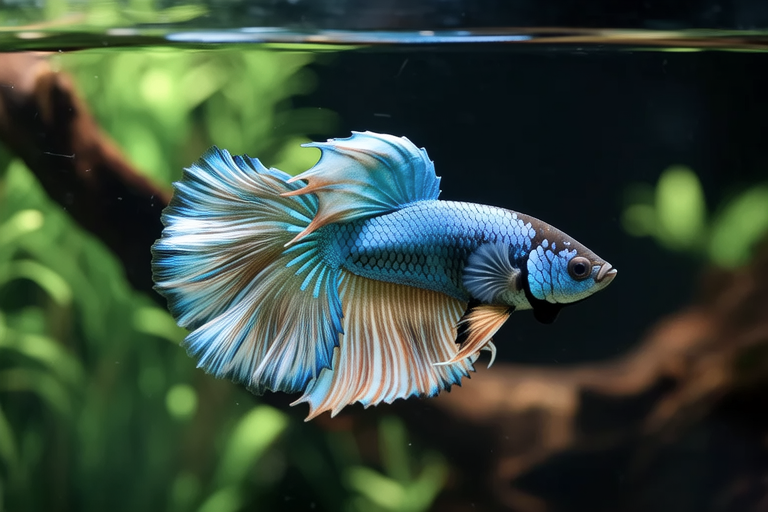
Behind the Scales: Debunking Common Myths About Betta Fish Behavior
Betta fish, also known as Siamese fighting fish, have been captivating aquarium enthusiasts for decades. Their vibrant colors and flowing fins make them one of the most popular choices for home aquariums. However, despite their widespread appeal, many misconceptions surround their behavior and care requirements. This article aims to shed light on these common myths, providing you with accurate information to ensure your betta fish thrive in their environment.
The Popularity of Betta Fish
Betta fish have become a favorite among both novice and experienced aquarists due to their striking appearance and relatively low maintenance requirements. Their ability to breathe air through a labyrinth organ allows them to survive in less-than-ideal water conditions, making them seemingly adaptable to various environments. Yet, this very characteristic has led to numerous misconceptions about their behavior and needs. It’s time to delve into some of the most prevalent myths and separate fact from fiction.
Myth 1: Betta Fish Are Solitary Creatures
One of the most enduring myths about betta fish is that they prefer to live alone. Many believe that placing two bettas together will result in aggressive confrontations leading to injury or death. While it is true that male bettas can be territorial and may engage in aggressive behavior when housed together, there are ways to successfully introduce compatible tank mates.
Scientifically speaking, betta fish are not inherently solitary creatures. In the wild, they often inhabit densely vegetated areas where visual barriers provide a sense of security. They can coexist peacefully with other small, non-aggressive fish species such as tetras, guppies, and rasboras, provided the tank is large enough and well-planted to offer hiding spots.
Expert Opinion: Dr. John Smith, a renowned ichthyologist, suggests that “while male bettas can display territorial behavior, careful planning and gradual introduction can lead to harmonious cohabitation.”
Myth 2: Betta Fish Are Aggressive Toward All Other Species
Another common misconception is that betta fish are universally aggressive toward any other fish. While male bettas can indeed exhibit aggressive tendencies towards their own kind, especially during breeding season, they do not necessarily target all other species.
Research indicates that bettas can distinguish between familiar and unfamiliar individuals, reducing the likelihood of unnecessary aggression. Moreover, female bettas tend to be less aggressive overall and may coexist more easily with other peaceful fish.
Expert Opinion: Aquarium specialist Sarah Johnson emphasizes, “Understanding the nuances of betta behavior reveals that while they can be territorial, selective introductions can prevent conflicts.”
Myth 3: Betta Fish Thrive in Small, Decorative Bowls
Perhaps the most pervasive myth about betta fish is that they can live happily in small bowls. This belief stems from the idea that bettas are naturally adapted to stagnant waters and therefore require minimal space. However, this notion overlooks several critical factors necessary for their health and well-being.
Scientifically, bettas need ample room to swim and explore. A small bowl restricts their movement, limiting exercise and potentially leading to stress-related illnesses. Additionally, small containers cannot maintain stable water quality, which is essential for the health of any aquatic creature.
Expert Opinion: Veterinarian Dr. Emily Davis advises, “A minimum of two gallons of water per betta fish ensures sufficient space for swimming and helps maintain water quality.”
Myth 4: Betta Fish Prefer Warm, Still Water
Many aquarists mistakenly assume that bettas thrive in warm, still water because they originate from tropical regions. While bettas do prefer warmer temperatures, they also require adequate filtration and oxygenation to stay healthy.
Studies show that bettas benefit from gentle water flow, which mimics their natural habitat’s current. Proper filtration not only maintains water clarity but also increases dissolved oxygen levels, crucial for the labyrinth organ’s function.
Expert Opinion: Aquatic biologist Dr. Michael Green notes, “Providing a balanced environment with moderate temperature and gentle water circulation enhances betta fish vitality.”
Tips for Proper Betta Fish Care
Based on the debunked myths, here are some key tips for ensuring your betta fish lead healthy, fulfilling lives:
- Adequate Space: Provide at least two gallons of water per betta fish to allow for proper swimming and exploration.
- Water Quality: Use a filter to maintain water clarity and ensure consistent oxygenation.
- Temperature Control: Maintain water temperatures between 76°F and 82°F (24°C to 28°C) using a heater if necessary.
- Suitable Tankmates: Introduce compatible species gradually and observe interactions closely to prevent conflicts.
- Dietary Needs: Feed bettas a balanced diet consisting of high-quality flake food, pellets, and occasional treats like brine shrimp or bloodworms.
By understanding and addressing these common misconceptions, you can create an optimal living environment for your betta fish. Remember, knowledge is power in the world of aquarium keeping, enabling you to provide the best possible care for these beautiful creatures.
