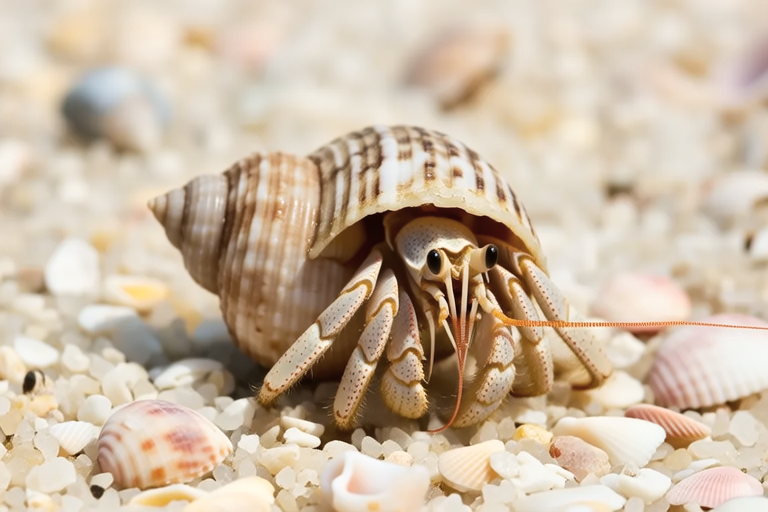
The Ultimate Guide to Hermit Crab Shell Changes
Hermit crabs are fascinating creatures that require a unique approach to care, particularly regarding their shells. This guide will delve into the intricacies of hermit crab shell changes, their importance for health, and how you can ensure your pet has a smooth transition during these critical periods.
Introduction to Hermit Crab Shell Changes and Their Importance for Health
Hermit crabs, unlike other crustaceans, do not have a hard exoskeleton covering their entire body. Instead, they rely on discarded snail shells for protection. As hermit crabs grow, they must periodically change shells to accommodate their expanding size. This process is vital for their overall well-being, as inadequate or ill-fitting shells can lead to stress, injury, and even death.
Shell changes are more than just a matter of comfort; they are essential for the hermit crab’s health. A properly fitting shell ensures that the crab can move freely, hunt effectively, and defend itself against predators. Moreover, a good shell helps maintain the crab’s moisture levels, which is crucial for its survival.
Explanation of Molting Process and How It Relates to Shell Changes
Molting is the process by which hermit crabs shed their old exoskeletons and grow new ones. During this time, they become extremely vulnerable and may stop eating, moving, or interacting with their surroundings. It is during the post-molt period that hermit crabs typically seek out new shells to replace any that have become too small or damaged.
Understanding the molting process is crucial for hermit crab owners because it allows them to anticipate when their pets might need new shells. Signs of impending molting include reduced activity, loss of appetite, and a softening of the exoskeleton. Once the molt is complete, the hermit crab will emerge with a new, larger exoskeleton and will immediately search for a suitable shell to match its new size.
How to Identify When a Hermit Crab Needs a New Shell
Determining whether your hermit crab needs a new shell can be challenging but is essential for ensuring its health. Here are some signs to look out for:
- Difficulty Moving: If your hermit crab appears to struggle when walking or climbing, it may indicate that its current shell is too small or heavy.
- Frequent Shell Switching: A hermit crab that frequently tries on different shells might be signaling that it needs a better fit.
- Poor Shell Condition: Shells that are cracked, chipped, or otherwise damaged can no longer provide adequate protection.
Additionally, monitoring your hermit crab’s behavior and physical condition can help you determine if it requires a new home. Regularly checking your pet’s weight and measuring its carapace (the part of the shell that covers the crab’s back) can also provide valuable insights into its growth and shell needs.
Tips for Providing an Adequate Selection of Shells for Hermit Crabs
To facilitate successful shell changes, it is important to offer a variety of shells that cater to different sizes, shapes, and preferences. Here are some tips for creating an ideal shell selection:
- Variety: Provide shells of various sizes, colors, and textures to allow your hermit crab to choose one that best suits its needs.
- Condition: Ensure all shells are clean, free from debris, and in good condition. Avoid using shells that are cracked, broken, or infested with pests.
- Placement: Place shells in different areas of the tank to encourage exploration and reduce competition among multiple crabs.
- Frequency: Regularly replenish the shell supply to account for wear and tear and to accommodate growing hermit crabs.
By offering a diverse range of shells, you can promote healthy shell changes and enhance the overall well-being of your hermit crabs.
The Role of Environment and Diet in Successful Shell Changes
The environment and diet play significant roles in facilitating successful shell changes. A well-maintained habitat with appropriate temperature, humidity, and lighting can support a hermit crab’s natural behaviors and promote healthy growth. Similarly, a balanced diet rich in nutrients can strengthen the crab’s exoskeleton and aid in the molting process.
For optimal environmental conditions, aim for a temperature range of 75-85°F (24-29°C) and a humidity level between 70-80%. Proper ventilation is also crucial to prevent mold and bacteria growth. In terms of diet, offer a mix of fresh fruits, vegetables, protein sources, and calcium supplements to ensure your hermit crab receives all necessary nutrients.
Regularly cleaning the tank and maintaining water dishes with dechlorinated water are additional steps you can take to support a healthy environment for your hermit crabs.
Common Mistakes to Avoid When Managing Shell Changes
Despite best intentions, there are several common mistakes that hermit crab owners should avoid:
- Forcing Shell Changes: Never force a hermit crab to switch shells, as this can cause stress and injury.
- Inadequate Shell Supply: Failing to provide enough shells can lead to competition and potentially aggressive behavior among hermit crabs.
- Improper Care After Molting: Post-molt hermit crabs are highly vulnerable and require special attention, including a soft diet and minimal disturbance.
Avoiding these pitfalls can help ensure that your hermit crabs have a safe and comfortable experience during shell changes.
Conclusion Summarizing Key Points and Encouraging Responsible Hermit Crab Care
In conclusion, understanding and supporting hermit crab shell changes is fundamental to their health and happiness. By familiarizing yourself with the molting process, identifying when your pet needs a new shell, and providing an adequate selection of shells, you can create an environment that promotes successful shell changes. Additionally, maintaining a suitable environment and diet, while avoiding common mistakes, further enhances your hermit crab’s quality of life.
Responsible hermit crab care involves ongoing learning and adaptation. Stay informed about the latest research and recommendations, and always prioritize your pet’s well-being. With dedication and care, you can ensure that your hermit crabs thrive in their new homes.
