Top 10 Fascinating Facts About the Three-Striped Box Turtle That Will Blow Your Mind
The world of reptiles is full of marvels, and one of the most captivating creatures is the three-striped box turtle. Known for its distinct appearance and intriguing habits, this small but sturdy turtle is a treasure trove of fascinating facts. Dive into the following list of top ten mind-blowing facts that will deepen your appreciation for these remarkable reptiles.
1. A Unique Appearance
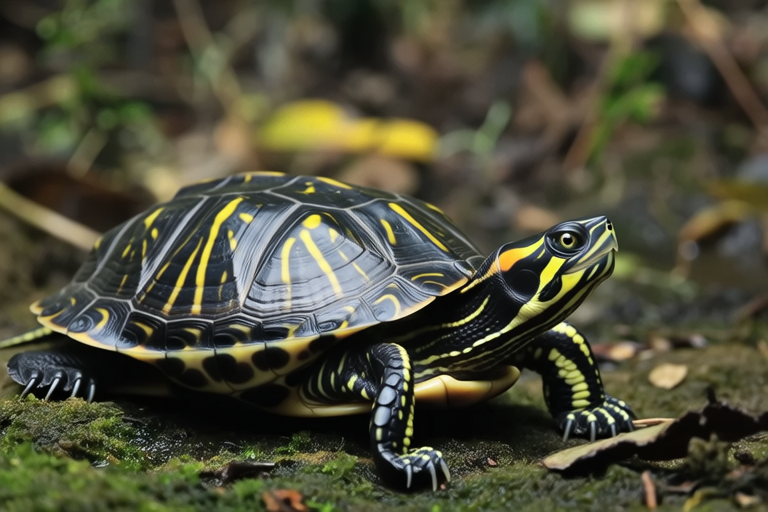
At first glance, the three-striped box turtle is unmistakable. This petite creature sports a high-domed shell adorned with three bold, yellow stripes running down its back. These stripes are not just for show; they serve as natural camouflage in their forested habitats. The shell itself is an engineering marvel, hinged at the bottom to allow the turtle to close it completely when threatened, creating a nearly impenetrable fortress. The plastron, or underside of the shell, often features a pattern of dark spots on a light background, adding to its distinctive look.
2. Habitat Preferences
Native to parts of Asia, specifically areas within China, Taiwan, and Vietnam, the three-striped box turtle thrives in humid, dense forests. They prefer environments with plenty of leaf litter and fallen logs, which provide both cover and food sources. These turtles are equally comfortable in both wet and dry conditions, often found near streams, ponds, and swamps. Their adaptability allows them to survive in various microhabitats within their broader forest range, making them a resilient species.
3. Diet Diversity
Unlike many other herbivorous turtles, the three-striped box turtle is an omnivore, enjoying a varied diet that includes both plant matter and animal protein. In the wild, their menu consists of insects, snails, slugs, and earthworms, along with fruits, berries, and mushrooms. This diverse diet ensures they get all the nutrients necessary for their survival. Juvenile turtles tend to eat more protein-rich foods, while adults favor a higher proportion of plant-based items, reflecting the shift in dietary needs as they age.
4. Solitary and Stealthy
Three-striped box turtles are solitary creatures, preferring to live alone rather than in groups. They are known for their stealthy movements, creeping silently through the underbrush in search of food or a safe place to rest. During the day, they are most active during the cooler hours, retreating to shaded areas or burrowing into the ground when temperatures rise too high. Their slow, deliberate pace belies their agility, especially when they need to evade predators or find shelter.
5. Longevity and Growth
These turtles have an impressive lifespan, often living over 50 years in the wild, though captive specimens can exceed 70 years. Their growth rate is relatively slow, reaching sexual maturity around 5 to 8 years of age. Males typically grow slightly larger than females, with males averaging about 15 cm in length compared to females’ 12 cm. This extended life span and slow growth rate contribute to their resilience in the face of environmental changes.
6. Reproduction Rites
Mating season for the three-striped box turtle usually occurs in spring and early summer. Male turtles engage in elaborate courtship behaviors, including head bobbing and nudging females. Once mating is successful, females lay a clutch of up to 5 eggs in a shallow nest they dig in the soil. Incubation lasts approximately 90 days, after which tiny hatchlings emerge, ready to start their independent lives. The survival rate of hatchlings is low due to predation, but those that make it past this critical stage have a good chance of reaching adulthood.
7. Adaptations for Survival
One of the most remarkable adaptations of the three-striped box turtle is its ability to aestivate during periods of extreme heat or drought. By burrowing deep into the ground, these turtles can remain dormant for months, conserving energy until conditions improve. Additionally, their shells offer protection from both predators and harsh weather, while their keen sense of smell helps them locate food even when visibility is poor. These adaptations highlight the turtle’s resourcefulness and its ability to thrive in challenging environments.
8. Cultural Significance
In addition to their ecological role, three-striped box turtles hold cultural significance in some Asian countries. They are sometimes kept as pets or used in traditional medicine, despite being protected by international laws. This dual status as both beloved animals and threatened species underscores the delicate balance between human culture and wildlife conservation. Efforts to preserve these turtles must take into account both their biological needs and their cultural importance.
9. Threats and Conservation
Despite their adaptability, three-striped box turtles face numerous threats, primarily habitat destruction and illegal trade. As human activities encroach upon their natural habitats, these turtles lose crucial resources for survival. The pet trade also poses a significant risk, with many individuals being captured from the wild. Conservationists are working tirelessly to protect these turtles, implementing measures such as habitat restoration, anti-poaching patrols, and captive breeding programs. Public awareness and support are vital components of these efforts.
10. Captive Care Challenges
For those interested in keeping three-striped box turtles as pets, it’s essential to understand the challenges involved in providing proper care. These turtles require specific environmental conditions, including appropriate humidity levels, temperature gradients, and a varied diet. Many potential owners underestimate the commitment required, leading to improper care and stress for the animals. Responsible ownership involves understanding and meeting these needs, ensuring the well-being of the turtles.
Call to Action
The three-striped box turtle is a remarkable species with many fascinating traits and behaviors. From their striking appearance to their ability to thrive in diverse environments, these turtles continue to captivate and inspire. However, their future is uncertain, and it is up to us to ensure their survival. By supporting conservation efforts, raising awareness, and promoting responsible pet ownership, we can help protect these incredible creatures for generations to come. Join the movement and explore ways you can contribute to turtle conservation today!
