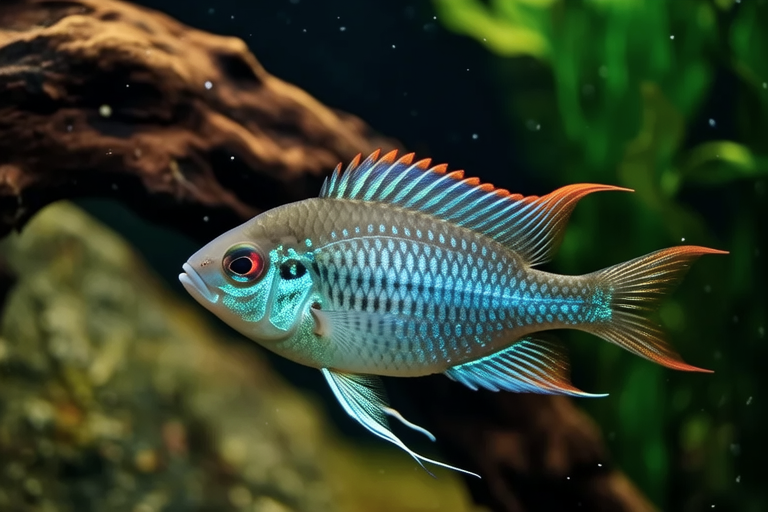
Rajah Cichlid: The Ultimate Guide for Aquarists!
Rajah Cichlid (Herichthys carpintis) is a fascinating and vibrant species that has captivated the attention of many aquarists. Originating from the freshwater habitats of Mexico, this cichlid is known for its striking coloration and dynamic behavior. This guide aims to provide detailed insights into the care, behavior, habitat setup, diet, breeding, and common health issues related to Rajah cichlids. Whether you’re a beginner or an experienced aquarist, this comprehensive resource will help you maintain optimal water conditions, select compatible tank mates, and enrich your Rajah cichlid’s environment.
Care and Behavior
Rajah cichlids are highly active and territorial fish. They exhibit robust swimming patterns and often display aggressive behaviors, especially during feeding times or when defending their territory. These traits make them ideal for intermediate to advanced aquarists who can handle their assertive nature. Rajah cichlids thrive in environments with ample space for swimming and hiding spots. Providing caves, rocks, and plants can help reduce stress and promote natural behavior.
Habitat Setup
Creating an optimal habitat for Rajah cichlids involves several key factors. Start by selecting a spacious tank; a minimum size of 55 gallons is recommended for a single pair. Larger tanks are preferable for multiple fish. Ensure the tank has a sturdy filter capable of handling strong currents, as Rajah cichlids prefer well-oxygenated water. Decorate the tank with rocks, driftwood, and live or artificial plants to mimic their natural habitat. Provide plenty of hiding spots to minimize aggression and stress among tank mates.
Diet
Rajah cichlids are omnivorous and require a balanced diet to thrive. Their natural diet consists of small fish, insects, crustaceans, and plant matter. In captivity, they can be fed a variety of foods, including high-quality pellets, flakes, frozen or live foods like brine shrimp, bloodworms, and daphnia. Supplement their diet with occasional servings of vegetables such as spinach, zucchini, or peas. Feeding twice daily in small portions is recommended to prevent overeating and maintain water quality.
Breeding
Breeding Rajah cichlids can be rewarding but requires careful planning and preparation. Start by conditioning the pair with a nutritious diet and ensuring optimal water parameters. A dedicated breeding tank with ample hiding spots and a sandy substrate is essential for successful spawning. Once the female lays eggs, the male typically guards the nest while the female tends to the eggs. After hatching, the fry can be fed infusoria or finely crushed flake food until they grow large enough to consume regular fish food.
Common Health Issues
Rajah cichlids are generally hardy fish, but they can be susceptible to certain health issues if not properly cared for. Common ailments include ich, fin rot, and bacterial infections. Regular water changes, maintaining pristine water quality, and quarantine new additions can help prevent these problems. If symptoms persist, consult a veterinarian specializing in aquatic animals for proper diagnosis and treatment.
Tips for Beginners and Advanced Aquarists
Beginners: Start with a smaller tank and gradually increase the size as you gain experience. Choose hardy and peaceful fish to cohabit with your Rajah cichlids. Monitor water parameters closely and perform regular maintenance to ensure a healthy environment. Research thoroughly before introducing any new species to avoid potential conflicts.
Advanced Aquarists: Consider creating a biotope setup that closely replicates the natural environment of Rajah cichlids. Experiment with different filtration systems and water parameters to optimize growth and reproduction. Participate in local aquarium clubs or online forums to share experiences and learn from fellow enthusiasts.
Maintaining Optimal Water Conditions
Consistent monitoring of water parameters is crucial for the well-being of Rajah cichlids. Maintain a pH level between 7.0 and 8.0, hardness between 10 and 20 dGH, and temperature around 75-82°F. Perform weekly water changes of about 20% to keep the water clean and free from harmful substances. Utilize high-quality filtration systems and consider using biological filtration media to support beneficial bacteria.
Tank Mates Compatibility
Selecting compatible tank mates for Rajah cichlids requires careful consideration. Peaceful, robust fish that can withstand aggressive behavior are ideal. Suitable companions include other cichlids, larger tetras, and barbs. Avoid small, timid fish that may become prey or overly aggressive species that could provoke territorial disputes. Always introduce new fish gradually and monitor interactions closely to prevent injuries or fatalities.
Enrichment Activities
To enhance the well-being of Rajah cichlids, incorporate enrichment activities into their daily routine. Provide puzzle feeders or sinking treats to stimulate their natural hunting instincts. Introduce floating decorations or plants to encourage exploration and play. Rotate toys and structures periodically to keep the environment fresh and engaging.
Conclusion
Rajah cichlids are captivating and rewarding fish that offer a unique challenge for aquarists. By understanding their specific needs and providing an enriched environment, you can ensure their long-term health and happiness. Whether you’re a novice or an experienced hobbyist, this guide will equip you with the knowledge necessary to successfully care for these magnificent creatures. Embrace the journey of nurturing Rajah cichlids and enjoy the vibrant addition they bring to your aquarium.
