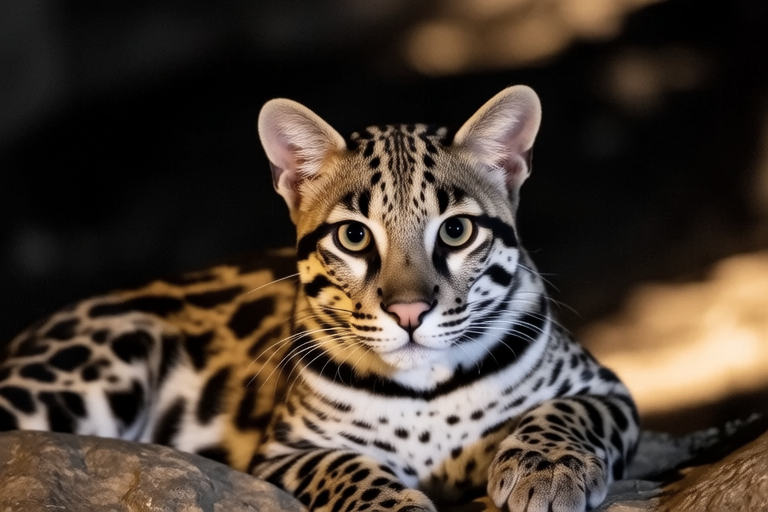
Leopard Geckos: From Wild Hunters to Domesticated Pets
The transformation of leopard geckos from active nocturnal hunters in the wild to docile pets in homes is a remarkable journey. These small lizards have adapted well to captivity, making them one of the most popular pet reptiles. Understanding their natural behaviors, dietary needs, and care requirements can help ensure they thrive in a domestic setting.
Natural Hunting Behaviors and Habitat
In the wild, leopard geckos are primarily found in arid regions of Pakistan, Afghanistan, and parts of India. They inhabit rocky deserts, scrublands, and grassy areas. These geckos are nocturnal predators, spending their days hiding under rocks or in burrows to avoid the harsh desert heat. At night, they emerge to hunt for insects, their preferred prey. Their diet consists mainly of crickets, mealworms, and other small invertebrates. Leopard geckos possess excellent eyesight and a highly developed sense of smell, which they use to locate their prey.
These reptiles have several unique adaptations that aid in their hunting. One of the most notable is their autotomy, or tail shedding, which serves as a defense mechanism against predators. When threatened, a leopard gecko can voluntarily detach its tail, which continues to wiggle, distracting the predator while the lizard escapes. Although the tail eventually regenerates, it may not grow back to its original length or appearance.
Sedentary Lifestyle as Popular Pets
Leopard geckos have become increasingly popular as pets due to their relatively low maintenance requirements and docile nature. Unlike their wild counterparts, captive leopard geckos lead a more sedentary lifestyle, often spending much of their time basking or resting in their enclosures. This makes them ideal companions for individuals who prefer a low-maintenance pet that requires minimal daily interaction.
As pets, leopard geckos are typically housed in glass terrariums or plastic containers with appropriate substrate, such as coconut fiber or reptile carpet. The enclosure should be large enough to allow for proper movement and provide hiding spots, such as caves or tunnels. Maintaining the right temperature gradient within the enclosure is crucial for their health. A warm basking area (around 88-90°F) and a cooler area (70-75°F) should be provided to mimic their natural habitat.
Dietary Needs and Health Maintenance
Leopard geckos are insectivores, requiring a diet rich in protein and calcium. In captivity, their primary food source is usually live insects, such as crickets and dubia roaches. It is essential to gut-load these insects with nutritious foods before feeding them to the gecko to ensure optimal nutrition. Additionally, dusting the insects with calcium powder is recommended to prevent metabolic bone disease, a common health issue in reptiles.
Regular veterinary check-ups are important for maintaining the health of your leopard gecko. Signs of illness include loss of appetite, lethargy, difficulty breathing, or abnormal stool. Prompt medical attention can help address any issues before they become serious. Providing clean water and a balanced diet, along with regular handling and monitoring, can help ensure your gecko remains healthy.
Interaction with Owners and Unique Characteristics
One of the reasons leopard geckos are so appealing as pets is their docile nature and ease of handling. Unlike some other reptiles, they rarely bite and tolerate gentle handling well. This makes them suitable for both novice and experienced reptile owners. However, it is important to handle them carefully, avoiding sudden movements or excessive pressure, as this could cause stress or injury.
Leopard geckos come in a variety of colors and patterns, making them visually striking. Some popular morphs include snow, jungle, and striped varieties. Their unique appearance, combined with their manageable size (typically reaching 8-10 inches in length), contributes to their popularity as pets.
Tips for Potential Owners
If you’re considering adding a leopard gecko to your household, there are several factors to consider:
- Research thoroughly: Learn about the specific care requirements of leopard geckos before bringing one home. Understanding their dietary needs, housing requirements, and health maintenance will help ensure a long, healthy life for your pet.
- Create an enriching environment: Provide a spacious enclosure with appropriate substrate, hiding spots, and a temperature gradient. Enrichment items, such as branches or artificial plants, can stimulate your gecko’s natural instincts and encourage exploration.
- Handle gently: While leopard geckos are generally docile, it is important to handle them gently and avoid stressing them. Frequent, short handling sessions can help build trust between you and your gecko.
- Monitor health regularly: Keep an eye on your gecko’s behavior, appetite, and overall condition. Early detection of any health issues can improve the chances of successful treatment.
Conclusion
The transformation of leopard geckos from wild hunters to domesticated pets is a testament to their adaptability and appeal as companion animals. By understanding their natural behaviors, dietary needs, and care requirements, you can provide a happy, healthy environment for your pet. With proper attention and care, leopard geckos can make wonderful additions to any reptile enthusiast’s collection.
