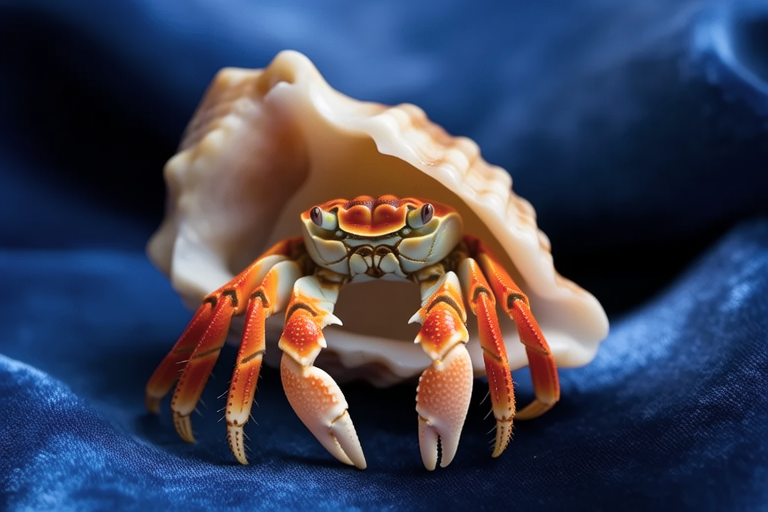
The Pea Crab Phenomenon: Why These Mini Crustaceans Are Making Waves
In the vast and diverse world of marine life, one tiny inhabitant is making waves with its unique lifestyle and surprising ecological significance. Meet the pea crab, a minuscule crustacean that, despite its diminutive size, plays a significant role in marine ecosystems. This article delves into the fascinating world of pea crabs, exploring their unique habitats, symbiotic relationships, recent scientific discoveries, and the broader implications of studying these mini crustaceans.
Introducing the Pea Crab: Size and Habitat
Pea crabs (family Pinnotheridae) are among the smallest true crabs in the world, typically measuring no more than 1 centimeter in length. Their name derives from their resemblance to the size of a pea, making them easily overlooked by casual observers. However, their petite stature belies their importance in marine environments. Unlike most crabs that roam freely on the ocean floor, pea crabs have adapted to live within the bodies of other marine organisms, creating a unique niche for themselves.
These tiny crabs are highly specialized, often inhabiting the mantle cavity of bivalve mollusks such as mussels and oysters, as well as sea cucumbers and some echinoderms. The pea crab’s ability to fit snugly inside these hosts allows it to evade predators and access a steady supply of food. This symbiotic relationship is a marvel of evolutionary adaptation, where both the host and the pea crab benefit from each other’s presence.
Symbiotic Relationships: Coexisting with Sea Creatures
The symbiotic relationship between pea crabs and their hosts is a prime example of mutualism, where both parties derive benefits. For the pea crab, the host provides shelter and a constant food source, primarily in the form of nutrients from the host’s tissues or food particles filtered from the water. In return, the pea crab offers protection to its host, often deterring parasitic infections or other harmful invaders.
One of the most remarkable aspects of this relationship is the way pea crabs adapt to their hosts’ reproductive cycles. For instance, when mussels spawn, the pea crabs within them also reproduce, ensuring that the next generation of crabs will have a ready-made home. This synchronization ensures that the population of pea crabs remains stable and in balance with their hosts.
Sea cucumbers, another common host for pea crabs, provide an interesting case study. These elongated marine animals are known for their regenerative abilities, and pea crabs take advantage of this by living within their body cavities. The sea cucumber benefits from the presence of the pea crab by having a cleaner internal environment, free from parasites and harmful microorganisms. This relationship underscores the intricate web of life in the oceans, where even the tiniest creatures can play a crucial role in maintaining ecological balance.
Recent Scientific Discoveries and Ecological Importance
Recent scientific studies have shed light on the ecological importance of pea crabs, revealing new insights into their role in marine ecosystems. One such study published in the journal Marine Biology highlighted the impact of pea crabs on the reproductive success of their hosts. Researchers found that the presence of pea crabs could significantly increase the survival rates of mussel larvae, suggesting that these mini crustaceans might play a key role in the recruitment and establishment of mussel populations.
Another significant finding comes from research conducted by marine biologists at the University of California, Santa Barbara. They discovered that pea crabs contribute to nutrient cycling in coastal ecosystems by breaking down organic matter within their hosts. This process helps to recycle essential nutrients back into the environment, supporting the growth of algae and other primary producers. This discovery underscores the vital role pea crabs play in maintaining the health and productivity of marine ecosystems.
Moreover, pea crabs have been identified as bioindicators of environmental health. Changes in their populations or behavior can serve as early warning signs of pollution or habitat degradation. For example, a decline in the number of pea crabs within a mussel bed might indicate poor water quality or increased levels of contaminants. This makes studying pea crabs an invaluable tool for monitoring the overall health of marine ecosystems.
Threats to Survival and Conservation Efforts
Despite their ecological importance, pea crabs face numerous threats to their survival. One of the primary challenges is habitat loss due to human activities such as coastal development, dredging, and pollution. These activities can destroy the delicate ecosystems where pea crabs and their hosts thrive, leading to a decline in their populations.
Pollution, particularly from agricultural runoff and industrial waste, poses another significant threat. Chemical pollutants can accumulate in the tissues of pea crabs and their hosts, affecting their reproductive capabilities and overall health. Additionally, climate change is altering the distribution and abundance of many marine species, including pea crabs and their hosts. Rising sea temperatures and ocean acidification can disrupt the delicate balance of marine ecosystems, potentially leading to the displacement or extinction of certain species.
To address these challenges, conservation efforts are underway to protect the habitats of pea crabs and their hosts. Marine protected areas (MPAs) have been established in key locations to safeguard critical habitats and reduce human impacts. These protected zones provide safe havens for pea crabs and other marine life, allowing them to thrive without the pressures of overfishing or habitat destruction.
Education and awareness campaigns are also being launched to inform the public about the importance of pea crabs and the need to protect marine ecosystems. By raising awareness, these initiatives aim to foster a greater appreciation for the role of small organisms in maintaining the health of our oceans. Furthermore, ongoing research is focused on developing sustainable management practices that can help mitigate the effects of pollution and climate change on marine ecosystems.
Broad Implications for Marine Biology and Ecosystem Health
The study of pea crabs and their symbiotic relationships has far-reaching implications for marine biology and ecosystem health. Understanding these mini crustaceans can provide valuable insights into the complex interactions that occur within marine ecosystems. For instance, the symbiotic relationship between pea crabs and their hosts highlights the importance of biodiversity and the interconnectedness of species.
Moreover, the role of pea crabs in nutrient cycling and bioindication demonstrates the critical role that small organisms play in maintaining the health of marine ecosystems. By studying these processes, scientists can develop better strategies for managing and protecting marine resources. This knowledge can be applied to various fields, including fisheries management, aquaculture, and environmental policy.
Finally, the pea crab phenomenon serves as a reminder of the delicate balance that exists in nature. Even the smallest creatures can have a profound impact on the health and stability of entire ecosystems. As we continue to explore and understand the intricate relationships between species, we gain a deeper appreciation for the complexity and beauty of marine life. This understanding is crucial for addressing the challenges facing our oceans and ensuring their long-term health and sustainability.
In conclusion, the pea crab phenomenon is a testament to the wonders of marine biology and the importance of studying even the smallest inhabitants of our oceans. From their unique symbiotic relationships to their role in nutrient cycling and bioindication, pea crabs offer valuable insights into the functioning of marine ecosystems. As we face the growing threats to marine life, the study of these mini crustaceans can provide crucial information for developing effective conservation strategies. By protecting pea crabs and their hosts, we can help ensure the health and resilience of our oceans for generations to come.
