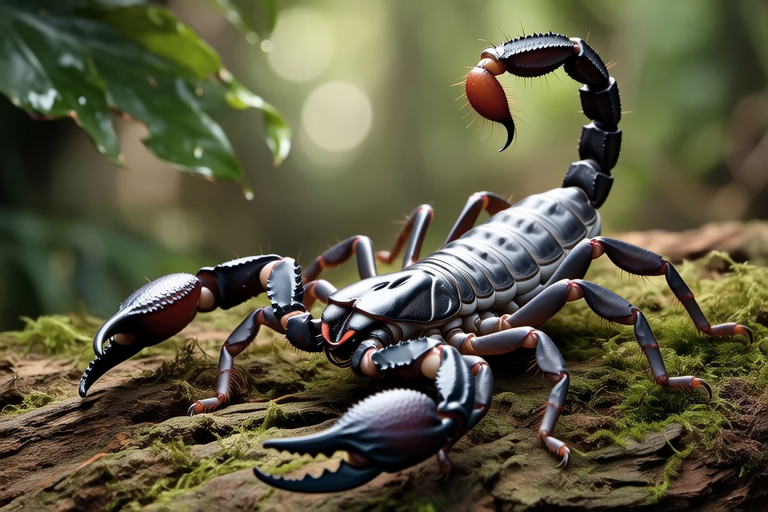
The Hidden World of Heterometrus Spinifer: What Every Pet Owner Should Know
For those interested in the exotic and the lesser-known, the Heterometrus spinifer, commonly known as the Asian forest scorpion, offers a fascinating glimpse into the world of arachnids. This species is captivating not only for its striking appearance but also for its unique behaviors and specific care requirements. Whether you’re a seasoned reptile enthusiast or just starting your journey into exotic pets, understanding the world of the Heterometrus spinifer can enrich your experience as a pet owner.
Scientific and Common Names
The Heterometrus spinifer is scientifically named for its distinctive spine-like structures along its tail. The term “Heterometrus” comes from the Greek words “hetero,” meaning different, and “metron,” meaning measure, referring to the varied sizes within the genus. Its common name, the Asian forest scorpion, reflects its native habitat and physical characteristics.
Natural Habitat
Native to Southeast Asia, particularly Thailand, Malaysia, and Indonesia, these scorpions thrive in dense, humid forests. They prefer environments rich in organic matter, where they can burrow into the soil or hide under rocks and logs. Understanding their natural habitat helps recreate a similar environment in captivity, ensuring the well-being of your pet.
Dietary Needs
In the wild, Heterometrus spinifers are carnivorous, feeding primarily on insects such as crickets, cockroaches, and spiders. In captivity, a balanced diet should include a variety of feeder insects. It’s important to ensure that the prey items are appropriately sized for the scorpion; too large, and the scorpion may struggle to subdue them; too small, and it might not provide sufficient nutrition. Offering live food ensures the scorpion gets the necessary nutrients and exercise.
Care Requirements
Maintaining a suitable environment for your Heterometrus spinifer is crucial. A glass tank with a secure lid is ideal, providing both visibility and safety. The substrate should be at least three inches deep, made of coconut fiber or bark chips, to allow for burrowing. Temperature should be kept between 75-85°F (24-29°C), with humidity levels around 70-80%. A shallow water dish should always be available, as hydration is vital for their health.
Potential Health Issues
Like any pet, Heterometrus spinifers can face health challenges. Molt complications are one of the most common issues. During molting, the scorpion sheds its exoskeleton, a process that can be dangerous if interrupted. Signs of distress during molting include lethargy, refusal to eat, or difficulty moving. Regular observation and prompt veterinary care can help manage these situations.
Safety Tips for Owners
Handling scorpions requires caution due to their venomous nature. While their venom is generally not life-threatening to humans, it can cause localized pain and swelling. Always wash your hands after handling, and keep the tank away from children and pets. If bitten, seek medical advice immediately.
Unique Behaviors
Heterometrus spinifers exhibit intriguing behaviors that make them a joy to observe. They are nocturnal creatures, active during the night when they hunt for food. Their pincers are used for grasping prey, while their stinger is reserved for defense. Watching them navigate their enclosure, especially at night, reveals their agility and adaptability.
Interaction with Environment
These scorpions are highly sensitive to their surroundings. They use their sensory structures, including the pectines (comb-like structures on the underside of their abdomen) and the pedipalps (modified front legs), to detect vibrations and chemical cues. These adaptations help them find food, avoid predators, and navigate their environment effectively.
Conclusion
Bringing a Heterometrus spinifer into your home provides a unique opportunity to connect with nature and learn about the intricate lives of these fascinating creatures. By understanding their natural habitat, dietary needs, and care requirements, you can ensure a healthy and happy life for your pet. With patience and proper care, you’ll be rewarded with a captivating companion that will intrigue and delight you for years to come.
