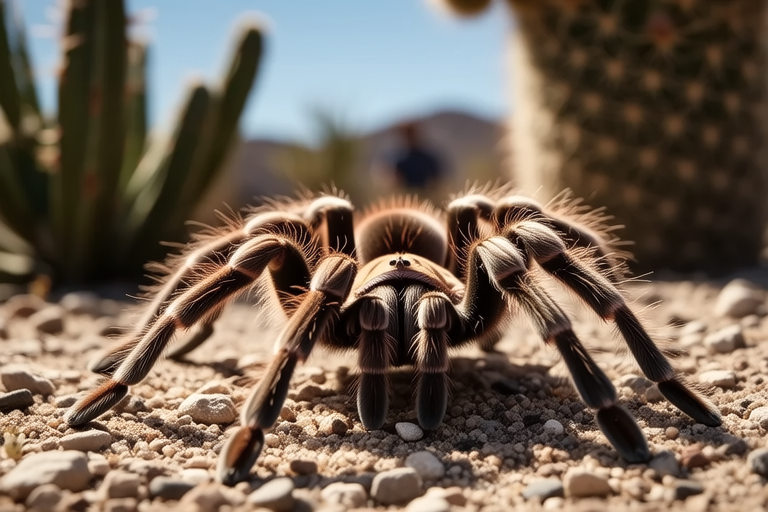
The Growing Fascination with Chilean Rose Tarantulas
Spiders have long been the subject of fear and fascination, often evoking visceral reactions in people. However, one particular species has managed to break through the stigma: the Grammostola rosea, commonly known as the Chilean rose tarantula. These arachnids have captured the hearts of many, transforming from creatures of dread to beloved pets. This article delves into the reasons behind this growing fascination, exploring their unique traits, behaviors, and the proper care they require.
From Fear to Fascination
Arachnophobia, the intense fear of spiders, is one of the most common phobias globally. Yet, the Chilean rose tarantula has managed to transcend this fear, becoming a popular pet among enthusiasts. Their manageable size, docile nature, and vibrant coloration make them an attractive choice for those interested in exotic pets. Despite their intimidating appearance, these tarantulas are generally harmless to humans and pose no threat if handled correctly.
Unique Traits and Behaviors
Chilean rose tarantulas are native to the deserts of South America, where they have adapted to survive in harsh conditions. Their bodies are covered in fine hairs, which serve multiple purposes, including sensory perception and defense mechanisms. When threatened, these tarantulas can release urticating hairs from their abdomen, causing irritation to predators. In captivity, however, they rarely resort to such tactics, making them ideal for handling by experienced keepers.
One of the most captivating aspects of Chilean rose tarantulas is their vibrant coloration. As juveniles, they display a mix of brown and pink hues, with the pink becoming more prominent as they mature. This striking appearance, combined with their relatively small size (adults typically reach about 4-6 inches in leg span), makes them visually appealing and easy to handle. Additionally, their docile temperament and slow movements contribute to their suitability as pets.
Popular Pets
The combination of manageable size, docile nature, and vibrant coloration has made Chilean rose tarantulas a popular choice for pet owners. They require minimal space, making them an excellent option for those with limited living areas. Moreover, their low-maintenance care requirements appeal to busy individuals who want to enjoy the companionship of an exotic pet without the burden of extensive daily care.
These tarantulas are also relatively inexpensive compared to other exotic pets, making them accessible to a broader audience. The initial setup cost includes purchasing a terrarium, substrate, a water dish, and food. Once established, the ongoing costs are minimal, primarily consisting of occasional substrate changes and feeding.
Care and Housing Requirements
Proper care and housing are essential for the well-being of Chilean rose tarantulas. A suitable enclosure should be spacious enough to allow for natural behavior, yet secure to prevent escapes. A 10-gallon tank is sufficient for a single adult tarantula, although larger enclosures are preferable for multiple specimens. The substrate should be at least 3-4 inches deep, providing ample space for burrowing. Suitable substrates include coconut fiber, peat moss, or a mixture of both, ensuring proper moisture retention.
Temperature and humidity levels play a crucial role in maintaining the health of these tarantulas. They thrive in temperatures ranging from 75°F to 85°F (24°C to 29°C) and prefer humidity levels between 60% and 80%. To achieve optimal conditions, owners can use heating pads or under-tank heaters, along with misting the enclosure regularly. It’s important to avoid over-misting, as excessive moisture can lead to respiratory issues and fungal infections.
Feeding Chilean rose tarantulas is straightforward, as they are carnivorous and will consume a variety of insects. Crickets, dubia roaches, and mealworms are popular choices. It’s recommended to feed them once every 7-10 days, depending on their size and activity level. Owners should also provide a shallow water dish, ensuring it remains clean and filled with fresh water.
Myths and Facts
Despite their growing popularity, many misconceptions surround Chilean rose tarantulas. One prevalent myth is that they are venomous and dangerous to humans. While it’s true that they possess venom, it is mild and primarily used for subduing prey. In rare cases, allergic reactions may occur, but fatalities are extremely uncommon. Another misconception is that they are aggressive and prone to biting. In reality, they are generally docile and prefer to avoid confrontation, retreating into their burrows when threatened.
It’s important for potential owners to understand the commitment involved in caring for these pets. While they may seem low-maintenance, regular attention to their environment, diet, and overall health is necessary. Additionally, responsible ownership entails being prepared for the possibility of a long-term commitment, as Chilean rose tarantulas can live up to 20 years in captivity.
The Community Around Chilean Rose Tarantulas
The growing popularity of Chilean rose tarantulas has fostered a vibrant community of enthusiasts who share knowledge, experiences, and advice. Online forums, social media groups, and local clubs provide platforms for owners to connect, ask questions, and learn from one another. Many experienced keepers offer guidance on everything from selecting the right equipment to troubleshooting common issues.
Resources for potential owners are abundant, ranging from books and articles to video tutorials and webinars. Reputable breeders and suppliers can also provide valuable information on sourcing healthy specimens and understanding their specific needs. By engaging with this supportive community, new owners can gain confidence in their ability to care for these fascinating creatures.
Conclusion
The growing fascination with Chilean rose tarantulas reflects a shift in attitudes toward exotic pets. From overcoming fears of spiders to embracing their unique traits and behaviors, these arachnids have become cherished companions for many. With proper care and housing, they offer a rewarding experience for owners willing to invest time and effort into their well-being. As the community continues to grow and resources become more accessible, the future looks bright for these captivating creatures.
