Lesser-Known Facts About Siberian Huskies
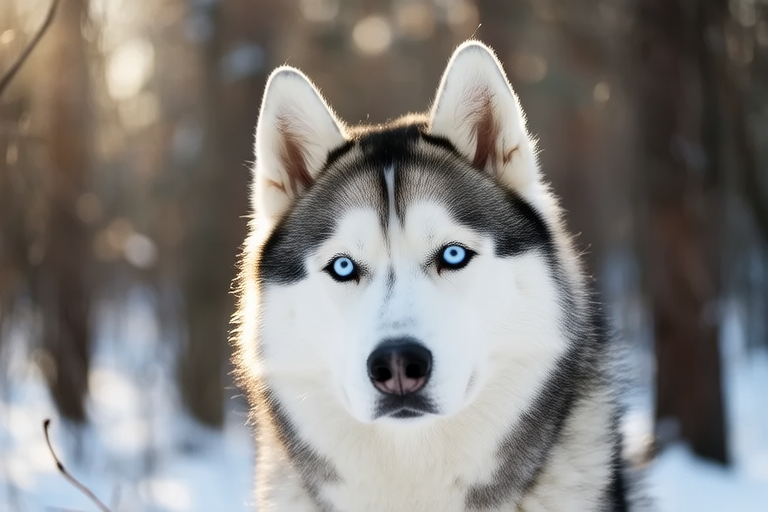
Siberian Huskies are more than just the dogs with striking blue eyes. These versatile and resilient dogs have an extensive history that spans thousands of years. Beyond their iconic looks, they possess unique genetic traits, behaviors, dietary habits, and historical roles that make them fascinating companions. This article delves into lesser-known aspects of Siberian Huskies, providing valuable insights for both pet enthusiasts and potential owners.
Origins and Historical Roles
The Siberian Husky’s origins trace back to the Chukchi people of northeastern Asia, who bred these dogs for sledding and herding. The Chukchi people relied heavily on the Huskies for transportation, hunting, and protection. Their endurance and ability to thrive in harsh climates made them invaluable. In the early 20th century, Siberian Huskies were brought to Alaska to participate in sled dog races. One famous race was the 1925 serum run to Nome, where Huskies played a crucial role in delivering life-saving medicine during a diphtheria outbreak. This event highlighted the breed’s resilience and stamina, cementing their place in history.
Unique Genetic Traits
Siberian Huskies possess several unique genetic traits that contribute to their adaptability and health. They have a double coat that protects them from extreme temperatures, with a dense undercoat and a longer topcoat. This coat provides insulation against both cold and heat. Additionally, their compact bodies are well-suited for endurance and speed. Siberian Huskies are also known for their wide range of eye colors, including blue, brown, and combinations of both. This variation is due to the presence of multiple alleles at the gene locus responsible for eye color.
Behavioral Characteristics
Siberian Huskies are independent and intelligent, often requiring consistent training and socialization. They are pack-oriented and thrive in environments where they can interact with other dogs or humans. Their playful and affectionate nature makes them great companions, but they may display stubbornness or aloofness if not properly trained. Despite their friendly demeanor, they can be vocal, barking or howling to communicate their needs or express themselves. This behavior can sometimes lead to misunderstandings about their temperament, as some perceive it as aggressive.
Dietary Habits
Siberian Huskies have specific dietary requirements that cater to their active lifestyle. They require a balanced diet rich in proteins and fats, which fuel their energy reserves. High-quality commercial dog food, tailored for large breeds or active dogs, is generally sufficient. However, it’s essential to consult a veterinarian to determine the appropriate portion sizes and nutrient balance based on the dog’s age, weight, and activity level. Some owners opt for raw feeding, but this requires careful planning to ensure all necessary nutrients are provided. Avoiding overfeeding is crucial, as obesity can lead to various health issues.
Resilience and Intelligence
Siberian Huskies are renowned for their resilience, both physically and mentally. They can endure long periods of exertion and harsh weather conditions, making them ideal for outdoor activities like hiking and running. Their intelligence allows them to learn quickly and solve problems, but this can also lead to boredom if not adequately stimulated. Providing mental challenges through puzzle toys or training sessions can help keep them engaged and prevent destructive behaviors.
Care Requirements
Caring for a Siberian Husky involves regular grooming to maintain their coat and prevent matting. Brushing them at least twice a week is recommended, with increased frequency during shedding seasons. Bathing should be done as needed, typically every few months, to avoid stripping their natural oils. Dental hygiene is also important, with regular brushing and dental check-ups to prevent gum disease. Exercise is crucial, with daily walks and opportunities for play to keep them physically and mentally fit. Supervision is necessary when they are outside, as their strong prey drive and tendency to roam can lead to dangerous situations.
Myths Versus Realities
One common myth about Siberian Huskies is that they are aggressive or overly energetic. While they can be vocal and independent, they are generally gentle and friendly towards humans and other animals. Their high energy levels are best channeled through physical activities rather than left unattended. Another misconception is that they are easy to train. While they are intelligent, their independence can make training challenging without proper consistency and positive reinforcement techniques.
Communication Methods
Siberian Huskies communicate primarily through body language and vocalizations. They use tail wagging, ear positioning, and facial expressions to convey emotions and intentions. Barking and howling are common forms of communication, often used to alert others of their presence or express excitement. Understanding these signals can help owners better interpret their dog’s needs and improve the bond between human and animal.
Social Dynamics Within Packs
In a pack setting, Siberian Huskies establish clear hierarchies and roles. They work together to accomplish tasks and protect each other. Owners can observe and learn from these dynamics by fostering a positive relationship with their Husky and ensuring they feel secure and valued within the family unit. Encouraging cooperative play and providing opportunities for social interaction can enhance their sense of belonging and overall well-being.
Conclusion
Siberian Huskies are much more than just beautiful dogs with blue eyes. Their rich history, unique genetic traits, and adaptable nature make them fascinating companions. By understanding their origins, behaviors, and specific care requirements, owners can provide the best possible environment for their furry friends. Embracing their strengths and addressing any challenges with patience and love will ensure a rewarding and fulfilling relationship with these remarkable dogs.
