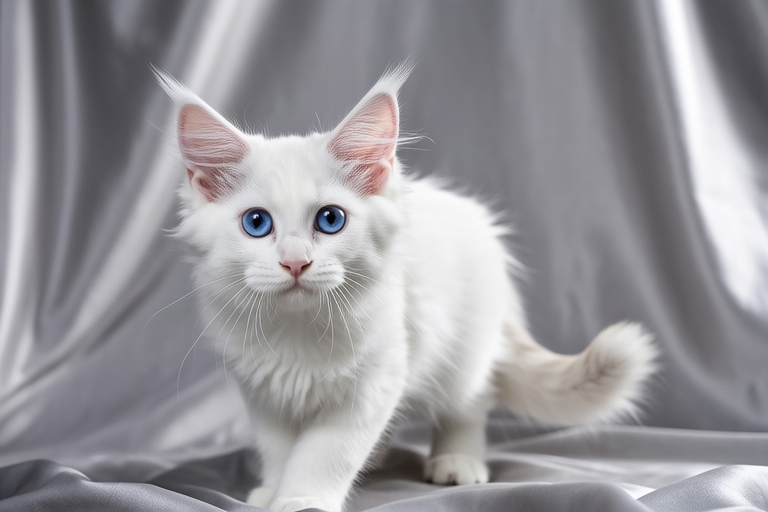
The Turkish Angora: Beyond Its Physical Appearance
The Turkish Angora is one of the most elegant and graceful cat breeds in the world. Known for their silky white coats and striking blue eyes, these cats have captured the hearts of many cat lovers. However, there is much more to the Turkish Angora than just their physical appearance. This article explores the distinctive characteristics, historical background, and cultural significance of the Turkish Angora beyond its physical attributes. We will delve into their temperament, intelligence, health considerations, adaptability, and even some myths and lesser-known facts about this breed.
Historical Background
The Turkish Angora has a rich history that dates back centuries. Originating from the Ankara region in central Turkey, these cats were once considered sacred by the Ottoman Empire. They were often kept in harems and palaces due to their beauty and grace. The Turkish Angora was first introduced to Europe in the 16th century and later to North America in the early 20th century. Despite being a rare breed, they have managed to maintain their distinctiveness and popularity over time.
Cultural Significance
The Turkish Angora holds significant cultural importance in Turkey. In fact, they are considered national treasures and are protected by law. The government has established a breeding program to ensure the survival of the breed. Additionally, the Turkish Angora has been featured in various works of art, literature, and folklore throughout history. Their presence in Turkish culture is a testament to their enduring charm and appeal.
Temperament
Turkish Angoras are known for their playful and affectionate nature. They are highly social animals that thrive on human interaction and companionship. Unlike some other breeds, Turkish Angoras are not overly independent and prefer to be close to their owners. They enjoy playing games, exploring their surroundings, and engaging in activities with their human family members. Their curiosity and intelligence make them excellent companions for people who lead active lifestyles.
One of the unique traits of the Turkish Angora is their ability to form strong bonds with their owners. They are often described as “people-oriented” and can become quite attached to their human families. This bond can be seen in their tendency to follow their owners around the house and their desire to be involved in all aspects of daily life. Turkish Angoras are also known for their vocal communication. They are not particularly loud, but they do like to communicate with their owners through soft chirps and meows.
Intelligence
Turkish Angoras are among the smartest cat breeds. They possess an innate curiosity that drives them to explore and investigate their environment. This intelligence manifests in various ways, including problem-solving skills, adaptability, and the ability to learn new tricks. Turkish Angoras are quick learners and can be trained to perform simple tasks or tricks, making them a joy to interact with.
Another aspect of their intelligence is their ability to adapt to different environments. Turkish Angoras are highly adaptable and can adjust to changes in their surroundings with relative ease. This trait makes them ideal pets for families who may move frequently or live in diverse living situations. Their adaptability also extends to their interactions with other pets and people. Turkish Angoras are generally friendly and can coexist harmoniously with other animals and strangers.
Health Considerations
Despite their overall good health, Turkish Angoras are prone to certain genetic conditions. One of the most common health issues is hypertrophic cardiomyopathy (HCM), a heart disease that affects the muscle tissue of the heart. Early detection and management of HCM are crucial for maintaining the health and longevity of Turkish Angoras. Regular veterinary check-ups and genetic testing can help identify potential health risks and ensure that these cats receive appropriate care.
Another health consideration for Turkish Angoras is their sensitivity to anesthesia. Due to their slender build and delicate nature, Turkish Angoras may require special precautions when undergoing surgical procedures. It is important for owners to work closely with their veterinarians to ensure that their cats receive the best possible care during any medical procedures.
Adaptability
Turkish Angoras are highly adaptable and can thrive in a variety of living situations. They are well-suited for indoor living and can be happy in apartments or smaller homes. However, they do require plenty of mental and physical stimulation to stay healthy and happy. Providing them with toys, scratching posts, and interactive playtime can help meet their needs and keep them engaged.
Compared to other breeds, Turkish Angoras are relatively low-maintenance when it comes to grooming. Their silky coats require minimal brushing, usually once a week, to prevent matting and remove loose hair. Their adaptability and ease of care make them an excellent choice for busy individuals or families who want a beautiful, intelligent cat without the added stress of high-maintenance grooming.
Myths and Lesser-Known Facts
There are several myths and lesser-known facts about the Turkish Angora that are worth exploring. One common myth is that all Turkish Angoras have blue eyes. While it is true that many Turkish Angoras have striking blue eyes, this is not a requirement for the breed. Some Turkish Angoras have green or hazel eyes, adding to the diversity of this beautiful breed.
Another myth is that Turkish Angoras are hypoallergenic. While they produce less Fel d 1 protein, which is responsible for causing allergies in some people, they are not entirely hypoallergenic. Individuals with cat allergies should exercise caution and consult with a veterinarian before bringing a Turkish Angora into their home.
One lesser-known fact about the Turkish Angora is their role in scientific research. Due to their genetic makeup and unique traits, Turkish Angoras have been used in various studies to advance our understanding of genetics, reproduction, and medicine. Their contributions to science have helped improve the lives of countless animals and humans alike.
Comparison with Other Breeds
When compared to other breeds, the Turkish Angora stands out for several reasons. For example, compared to Persian cats, Turkish Angoras are more active and playful. While Persians are known for their calm and laid-back demeanor, Turkish Angoras are full of energy and require more attention and stimulation. This difference in temperament makes the Turkish Angora a better fit for families who enjoy an active lifestyle.
Another comparison can be made with Siamese cats. Both breeds are known for their intelligence and social nature, but there are some key differences. Siamese cats are often described as vocal and demanding, while Turkish Angoras tend to be more subtle in their communication. Additionally, Siamese cats have a more defined personality type, while Turkish Angoras are more adaptable and can adjust to a wider range of personalities and living situations.
Conclusion
The Turkish Angora is a breed of cat that offers much more than just its striking appearance. With their playful and affectionate nature, intelligence, and adaptability, Turkish Angoras make wonderful companions for those who appreciate a beautiful and engaging feline friend. Their rich history and cultural significance add depth to their already captivating presence. Whether you’re a seasoned cat enthusiast or simply curious about this exquisite breed, the Turkish Angora is sure to leave a lasting impression.
