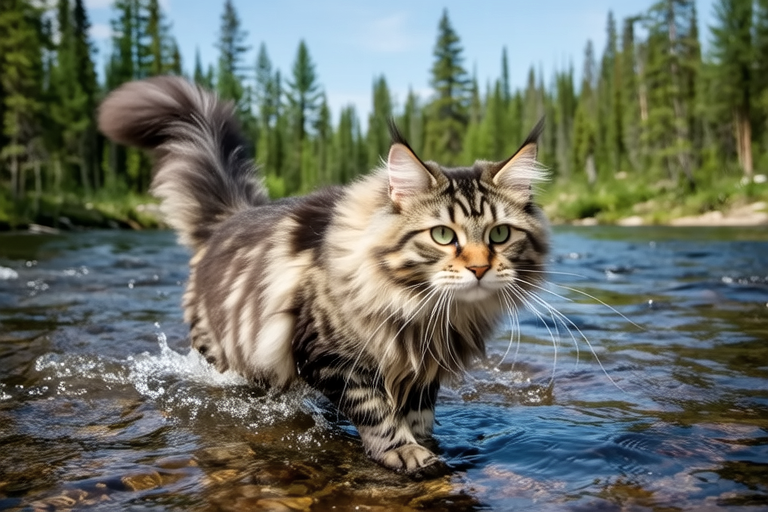
The Surprising Health Benefits for Pets Adopted from Norway
Adopting a pet from Norway can offer more than just a new furry friend; it can also bring along a host of surprising health benefits. The unique genetic makeup, diet influenced by regional foods, and the environmental factors all contribute to the robust health of these animals. This article delves into the specifics of why pets from Norway might be healthier and happier than those from other regions.
Genetic Traits Unique to Norwegian Pets
Norway’s isolated geographical location has led to a distinct set of genetic traits among its native animals. Breeds like the Norwegian Lundehund, known for its unique physical attributes such as six toes on each foot, have developed over centuries to suit the challenging terrain and harsh winters. These traits often translate into a higher resistance to certain diseases and conditions common in other breeds.
Studies conducted at the Norwegian School of Veterinary Science show that these dogs exhibit fewer instances of hip dysplasia, a condition prevalent in many other dog breeds. The breed’s evolutionary history in rugged terrains has selected for genes that promote joint stability and overall musculoskeletal health. This makes Norwegian Lundehunds particularly resilient and less prone to injuries associated with excessive physical activity.
Dietary Influences from Norwegian Regions
The diet of animals in Norway is heavily influenced by the region’s rich natural resources, including fish, berries, and wild game. Fish, a staple in the Norwegian diet, provides high levels of omega-3 fatty acids, which are crucial for maintaining healthy skin and coat, reducing inflammation, and supporting cognitive function. Berries, especially cloudberries and lingonberries, are rich in antioxidants that help protect cells from damage caused by free radicals.
Anecdotal evidence from Norwegian pet owners suggests that pets fed diets rich in these local ingredients tend to have shinier coats and fewer skin allergies. A study published in the Journal of Small Animal Practice noted that pets eating a diet supplemented with Norwegian fish oil had significantly lower rates of dermatitis compared to those on standard commercial diets.
The Impact of the Environment on Pet Well-being
The Norwegian landscape, characterized by vast forests, mountains, and fjords, offers a stimulating environment for pets. The fresh air, clean water, and abundance of natural spaces encourage outdoor activities, which are essential for maintaining good physical health. Regular exercise helps prevent obesity, a leading cause of various health issues in pets.
Moreover, the low pollution levels in rural areas of Norway mean that pets are exposed to fewer toxins and allergens, contributing to better respiratory health. A comparative study between urban and rural pets in Norway found that rural pets had fewer instances of asthma and upper respiratory infections.
Cultural Practices and Pet Health
In Norway, there is a strong emphasis on animal welfare and ethical treatment. This cultural norm translates into responsible breeding practices and early veterinary care. Norwegian breeders prioritize genetic diversity and health testing, ensuring that the animals they produce are as healthy as possible.
Early veterinary care, including routine vaccinations and parasite control, is a standard practice. Many Norwegian pet owners report that their animals receive comprehensive health check-ups annually, catching potential issues early before they become serious. This proactive approach to healthcare contributes significantly to the overall well-being of Norwegian pets.
Adapting to New Environments
While the unique benefits of Norwegian pets are undeniable, adapting them to new environments can sometimes present challenges. Pet owners who adopt from Norway should ensure a gradual transition to new diets and environments. Consulting with veterinarians familiar with Norwegian breeds can help ease this process.
One anecdote shared by a pet owner who adopted a Norwegian Elkhound highlights the importance of this transition. Initially, the dog struggled with changes in diet and climate but, with the guidance of a veterinarian, adapted successfully within a few months. The owner notes that the dog’s energy levels and overall health improved once fully adjusted.
Conclusion
Pets adopted from Norway come with a range of health benefits that make them attractive choices for prospective pet owners. From their unique genetic traits to the influence of their diet and the pristine environment they grow up in, Norwegian pets are generally healthier and happier. While adapting to new environments requires careful attention, the rewards of adopting a pet from Norway are well worth the effort.
As more people recognize the advantages of Norwegian pets, it’s likely that these animals will continue to gain popularity. For those considering adoption, exploring the rich heritage and health benefits of Norwegian pets could lead to a fulfilling and joyful companionship.
