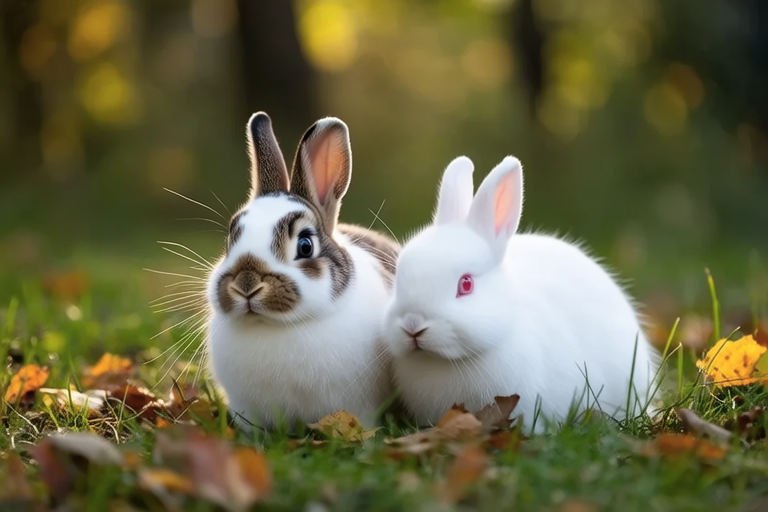
Dutch Dwarf Rabbits: From Barnyard Curiosity to Household Heartstealer
Dutch Dwarf rabbits are one of the most delightful and charming creatures you could ever hope to meet. Originating from the Netherlands, these tiny rabbits were initially bred for meat and fur. Their journey from the barnyard to the living room has been nothing short of remarkable. This article delves into the history, characteristics, and care of these endearing pets, offering valuable insights for both novice and experienced rabbit owners.
The Origins and Initial Role of Dutch Dwarfs
The story of Dutch Dwarf rabbits begins in the Netherlands, where they were first bred as early as the 17th century. Initially, they served practical purposes on farms. Their compact size made them ideal for smaller spaces, and their prolific breeding habits meant they could quickly produce litters. These rabbits were valued for their meat and fur, which was often used for hats and other garments. However, over time, their unique appearance and gentle nature began to attract attention beyond their utilitarian roles.
Physical Characteristics
One look at a Dutch Dwarf rabbit, and it’s hard not to fall in love. These rabbits are typically no larger than a loaf of bread, making them one of the smallest breeds of domesticated rabbits. Their most distinctive feature is their striking coloration. Dutch Dwarfs come in a variety of colors, including black, blue, chocolate, and white. The contrast between their dark ears, nose, and feet against a white body or vice versa is particularly striking.
Despite their small size, Dutch Dwarfs have robust bodies and strong legs. Their short, dense coats are easy to maintain, requiring only regular brushing to keep them clean and healthy. Their large, expressive eyes add to their charm, giving them an almost human-like gaze that can melt even the hardest heart.
Temperament and Unique Traits
Beyond their looks, Dutch Dwarfs are known for their sweet and docile personalities. They are generally very affectionate and enjoy interacting with humans. Many owners report that their Dutch Dwarfs will follow them around the house, seeking attention and affection. These rabbits are also highly intelligent and can be trained to perform simple tricks, such as coming when called or sitting up on command.
One of the most endearing traits of Dutch Dwarfs is their curiosity. They are always eager to explore new environments and investigate any changes in their surroundings. This curiosity makes them excellent pets for families with children, as they provide endless entertainment and teach kids about responsibility and the joy of animal companionship.
The Transition to Popular Household Pets
The transition of Dutch Dwarf rabbits from farm animals to household pets has been gradual but significant. As more people discovered the charm and intelligence of these little creatures, they began to be kept as pets rather than just for their utility. The shift was also aided by the development of rabbit shows and competitions, where breeders could showcase their Dutch Dwarfs’ unique qualities.
Today, Dutch Dwarfs are one of the most popular pet rabbit breeds. Their small size makes them ideal for apartment living, and their gentle nature means they can thrive in a wide range of environments. Many rabbit enthusiasts choose Dutch Dwarfs because of their ease of care and the joy they bring to their owners.
Care Tips for Dutch Dwarf Rabbits
Proper care is essential to ensure your Dutch Dwarf rabbit lives a long and healthy life. Here are some tips to help you provide the best possible environment for your furry friend:
Housing
Dutch Dwarfs require a safe and comfortable living space. A large cage with plenty of room for movement is ideal, as well as a separate area for exercise. The cage should be placed in a quiet part of the house, away from direct sunlight and drafts. Line the bottom of the cage with absorbent bedding material, such as straw or paper-based litter, to keep your rabbit comfortable and clean.
Diet
A balanced diet is crucial for maintaining your rabbit’s health. Feed your Dutch Dwarf a mix of fresh hay, pellets, and vegetables. Timothy hay is particularly recommended, as it aids digestion and keeps teeth worn down. Offer fresh water daily and limit treats to prevent obesity. Avoid feeding your rabbit fruits or sugary foods, as these can cause digestive issues.
Health Issues
Like all animals, Dutch Dwarfs are susceptible to certain health issues. Common problems include dental issues, respiratory infections, and digestive disorders. Regular veterinary check-ups are essential to catch and treat any potential health concerns early. Additionally, monitor your rabbit’s eating and drinking habits, as changes can indicate underlying health issues.
Why Dutch Dwarf Rabbits Make Great Companions
Dutch Dwarf rabbits have become beloved companions in many homes for several reasons. Their small size and gentle nature make them perfect for families with limited space. They are also relatively low-maintenance compared to other pets, requiring minimal grooming and easy-to-follow care routines.
Perhaps most importantly, Dutch Dwarfs bring immense joy to their owners. Their playful and curious nature provides endless entertainment, while their affectionate demeanor fosters deep bonds between pet and owner. Many people find that having a Dutch Dwarf rabbit in their home brings a sense of peace and happiness, making them feel more connected to nature and each other.
In conclusion, Dutch Dwarf rabbits have come a long way from their origins as barnyard animals. Today, they are cherished pets that bring joy and companionship to countless households. By providing proper care and attention, you can ensure your Dutch Dwarf rabbit leads a happy and healthy life, becoming a true heartstealer in your home.
