The Ultimate Guide to Keeping Your Red-eared Slider Happy and Active
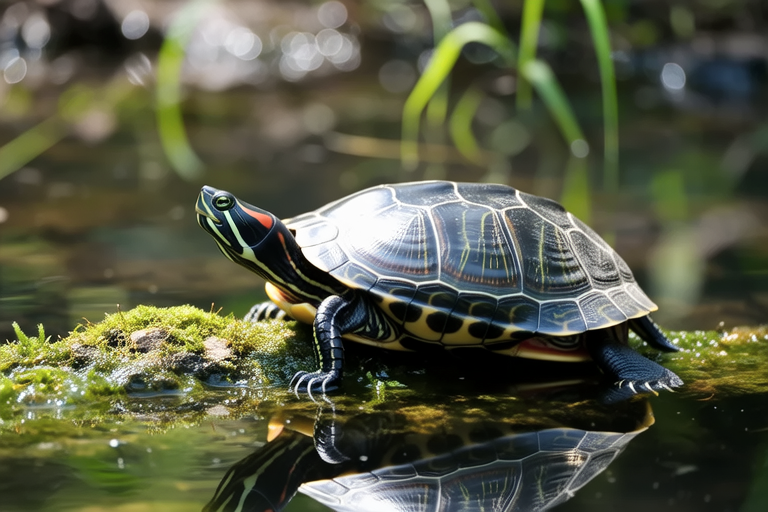
Red-eared sliders (Trachemys scripta elegans) are one of the most popular pet turtles in the world. Known for their distinctive red stripe behind each eye, these semi-aquatic turtles require a specific environment to thrive. This comprehensive guide will cover everything you need to know about keeping your red-eared slider happy and active, from habitat setup to diet specifics and beyond.
Habitat Setup
Creating an ideal habitat for your red-eared slider is crucial for its overall well-being. The habitat should mimic the natural environment as closely as possible, providing both aquatic and terrestrial areas.
Aquatic Area: The water should be at least twice the length of your turtle’s shell and deep enough so that it can swim freely. For a single adult slider, a minimum of 40 gallons is recommended. Use a filter to maintain water cleanliness and ensure regular water changes to prevent ammonia buildup.
Territorial Area: A land area is necessary for basking. This can be created using a platform or floating dock that allows the turtle to easily exit the water. The surface should be dry and provide a place for your turtle to bask under a heat lamp.
Temperature Control: Maintain the water temperature between 75°F and 80°F and the air temperature above the basking area around 90°F. Use a reliable thermometer to monitor these temperatures.
Lighting: UVB lighting is essential for calcium absorption and overall health. A UVB light source should be provided for 10-12 hours per day.
Water Quality Maintenance
Water quality is critical for the health of your red-eared slider. Poor water quality can lead to respiratory infections, shell rot, and other serious health issues.
Regular Water Changes: Change at least 25% of the water weekly, more frequently if the tank is smaller or if there are multiple turtles.
Filtration: Invest in a high-quality filter to help keep the water clean. Filters should be cleaned regularly to prevent clogging and bacterial growth.
Testing Water Parameters: Regularly test the water for pH, ammonia, nitrite, and nitrate levels. Ideal pH levels range from 6.5 to 8.0.
Diet Specifics
Proper nutrition is vital for your turtle’s health. A balanced diet should include both commercial turtle pellets and a variety of fresh foods.
Commercial Pellets: These provide a good base for nutrients but should not make up the entire diet. Look for high-quality brands that offer complete nutrition.
Variety of Fresh Foods: Include dark leafy greens (like collard greens, mustard greens, and dandelion greens), vegetables (carrots, squash, peas), fruits (strawberries, blueberries), and occasional protein sources (crickets, earthworms).
Calcium and Vitamin Supplementation: Dust food items with a calcium supplement two to three times a week and a multivitamin once a week.
Feeding Schedule: Feed hatchlings daily and adults every other day. Remove any uneaten food to prevent contamination.
Basking Needs
Basking is essential for your red-eared slider’s health. It helps regulate body temperature, aids digestion, and assists in shedding.
Heat Lamp: A basking spot should be provided with a heat lamp that reaches the recommended temperature. Ensure the basking area is large enough for the turtle to fully extend its limbs and neck.
UVB Lighting: As mentioned earlier, UVB lighting is crucial for calcium absorption and overall health.
Basking Platform: The platform should be easy to access and provide a secure, dry space for your turtle to bask.
Exercise Requirements
Red-eared sliders are active and require ample space to move around. Exercise helps them stay healthy and mentally stimulated.
Swimming: Ensure your turtle has enough room to swim freely. This is important for cardiovascular health and muscle development.
Basking: Encourage basking by maintaining optimal temperatures and providing a comfortable platform.
Interactive Play: Engage your turtle with toys or puzzles designed for reptiles. This can include floating balls or platforms that encourage exploration.
Common Health Issues
Despite proper care, red-eared sliders can still face health issues. Early detection and treatment are key to maintaining their health.
Respiratory Infections: Signs include runny nose, wheezing, and lethargy. Keep the environment warm and dry, and consult a veterinarian.
Shell Rot: Characterized by soft spots or discoloration on the shell. Clean the shell gently and treat with antifungal medication.
Mouth Rot: Caused by bacteria, this condition leads to swelling and redness around the mouth. Antibiotics may be required.
Metabolic Bone Disease: Results from insufficient calcium intake. Symptoms include soft bones and difficulty moving. Adjust diet and increase calcium supplementation.
Tips for Interactive Play and Bonding
Building a bond with your red-eared slider can be rewarding. Here are some tips for interactive play and bonding:
Handling: Handle your turtle gently and only when necessary. Frequent handling can stress the turtle, especially if done roughly.
Feeding Interaction: Hand-feed your turtle occasionally to strengthen the bond. Ensure this does not become a habit as it can lead to obesity.
Playtime: Spend time watching your turtle swim and bask. You can also engage it with toys or puzzles designed for reptiles.
Consistency: Consistent interaction and routine can help your turtle feel secure and comfortable in its environment.
Conclusion
By following the guidelines outlined in this ultimate guide, you can ensure your red-eared slider lives a long, healthy, and happy life. Remember, each turtle is unique, so observe your pet closely and adjust care accordingly. With proper care, your red-eared slider can be a delightful and rewarding companion for years to come.
