Red-Eared Slider Diet Decoded: Feeding Tips for a Thriving Turtle
Introduction
A balanced diet is crucial for the health and longevity of red-eared sliders (Trachemys scripta elegans), one of the most popular pet turtles worldwide. These semi-aquatic turtles have specific nutritional needs that must be met to ensure they thrive in captivity. A well-fed red-eared slider will exhibit vibrant colors, maintain healthy shell growth, and possess robust immune systems capable of warding off diseases. Understanding what constitutes a nutritious meal and how often to feed your turtle can significantly impact its overall well-being.
Essential Nutrients
Red-eared sliders require a diverse array of nutrients to support various bodily functions. The primary macronutrients include proteins, fats, and carbohydrates, alongside essential vitamins and minerals such as calcium, phosphorus, vitamin D3, and beta-carotene. Protein is vital for muscle development and repair, while fats provide energy and aid in the absorption of fat-soluble vitamins. Carbohydrates offer additional sources of energy necessary for daily activities.
Vitamin D3 plays a critical role in calcium metabolism, helping turtles absorb this mineral from their food and environment. Insufficient levels of vitamin D3 can lead to metabolic bone disease (MBD), characterized by soft shells and deformed limbs. Beta-carotene contributes to skin pigmentation and acts as an antioxidant, protecting cells against oxidative stress.
Ideal Food Types
Commercial foods designed specifically for aquatic turtles offer convenience and consistency in nutrition. Brands like Reptomin and Mazuri provide pellets formulated with balanced ratios of proteins, fats, carbohydrates, vitamins, and minerals. However, it’s important to choose products tailored to the appropriate life stage of your turtle.
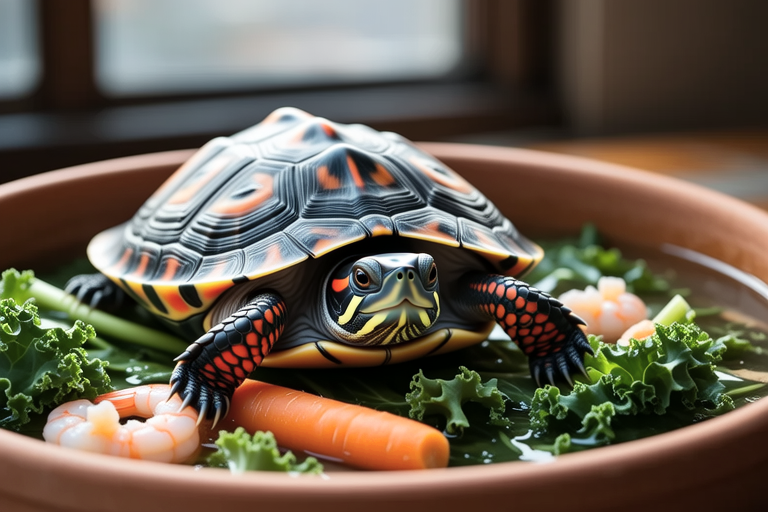
Natural foods such as leafy greens, vegetables, fruits, and live or frozen prey items also play significant roles in a red-eared slider’s diet. Dark leafy greens like collard greens, dandelion leaves, and romaine lettuce supply essential vitamins and minerals. Vegetables such as squash, bell peppers, and carrots add variety and contribute valuable nutrients. Fruits like berries and melons can be offered sparingly due to their high sugar content.
Insects, earthworms, and small fish serve as excellent protein sources, mimicking the natural diet of wild red-eared sliders. These should be gut-loaded with nutrient-rich diets before being fed to ensure optimal nutritional value.
Portion Sizes and Feeding Frequency
The amount of food provided depends largely on the age and size of the turtle. Hatchlings and juveniles typically consume smaller portions more frequently compared to adults. A general guideline suggests offering young turtles as much food as they can eat in 10-15 minutes, once or twice daily. Adult turtles may need only one feeding every other day, with quantities adjusted based on activity level and body condition.
Overfeeding poses risks, including obesity, poor shell health, and reduced lifespan. Conversely, underfeeding can result in malnutrition, stunted growth, and weakened immunity. Monitoring your turtle’s weight and shell condition regularly helps gauge whether adjustments to portion sizes are necessary.
Considerations for Different Life Stages
Hatchlings: Newborn red-eared sliders are highly energetic and require frequent, small meals rich in protein and calcium to support rapid growth. Commercial pelleted foods formulated for hatchlings are ideal, supplemented occasionally with finely chopped leafy greens and small insects.
Juveniles: As turtles grow, their dietary requirements shift towards a more balanced intake of proteins, fats, and carbohydrates. Juvenile turtles benefit from a mix of commercial pellets, fresh vegetables, and occasional treats like small fish or earthworms.
Adults: Mature red-eared sliders tend to graze throughout the day, consuming smaller amounts of food less frequently. Their diet should emphasize plant matter alongside protein sources, ensuring adequate calcium intake for shell maintenance.
Common Dietary Mistakes and Their Impacts
One prevalent error among turtle owners involves over-reliance on processed foods without incorporating natural elements. This imbalance can lead to deficiencies in certain vitamins and minerals, particularly if the commercial product lacks proper supplementation. Another mistake is feeding too many high-protein items, which can cause excessive weight gain and strain internal organs.
Feeding inappropriate foods such as bread, crackers, or junk food can introduce harmful additives and excessive sugars into a turtle’s diet, contributing to obesity and other health issues. Additionally, failing to provide sufficient calcium through proper supplementation or UVB lighting increases the risk of metabolic bone disease.
Maintaining Water Quality and Ensuring Proper Digestion
Poor water quality directly affects a turtle’s digestive system and overall health. Regular partial water changes—removing about 20% of the tank water weekly—are recommended to prevent the buildup of harmful bacteria and toxins. Filtration systems help maintain cleaner environments but cannot entirely eliminate waste products.
To promote healthy digestion, ensure that your turtle has access to clean drinking water separate from swimming areas. Offering floating logs or platforms allows them to rest out of the water, facilitating proper digestion. Encouraging regular basking periods under UVB lights further supports metabolic processes and vitamin D3 synthesis.
Conclusion
Proper nutrition is fundamental to keeping red-eared sliders healthy and happy in captivity. By understanding their unique dietary needs and providing a varied menu of commercial and natural foods, you can contribute positively to their long-term well-being. Remember to monitor portion sizes, adapt feeding schedules according to life stages, avoid common pitfalls, and maintain optimal living conditions. With thoughtful care, your pet turtle will enjoy a thriving existence full of vitality and color.
