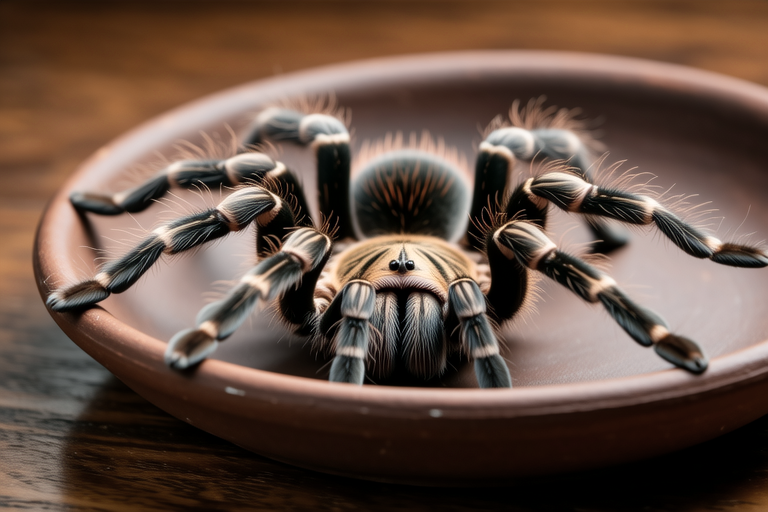
Tarantulas Uncovered: Fascinating Facts About These Spooky-Sounding Pets
Introduction:
When most people think of tarantulas, images of large, hairy spiders with fearsome fangs come to mind. These creatures are often associated with danger and aggression, but the reality is quite different. Tarantulas, despite their intimidating appearance, are fascinating creatures that make surprisingly rewarding pets for the right owners. This article aims to uncover the truth about tarantulas, dispel common myths, and provide an in-depth look at these intriguing arachnids.
Dispelling Common Myths About Tarantulas
One of the most pervasive myths about tarantulas is that they are aggressive and dangerous. While it’s true that tarantulas can bite if provoked or mishandled, most species are docile and prefer to avoid confrontation. Their primary defense mechanism is to flee or use their irritating hairs rather than attack. Another misconception is that all tarantulas are venomous and deadly. While their venom is potent enough to subdue small prey, it is generally harmless to humans, causing only mild discomfort similar to a bee sting.
Diverse Species of Tarantulas
There are over 900 species of tarantulas, each with its own unique characteristics. They can be broadly categorized into two groups based on their habitat: terrestrial (ground-dwelling) and arboreal (tree-dwelling). Terrestrial tarantulas like the Mexican Red-Knee and the Chilean Rose are popular among pet enthusiasts due to their relatively calm demeanor. Arboreal species, such as the Pink-Toed and Zebra tarantulas, are more delicate and require specialized enclosures.
Some tarantulas are also known for their vibrant colors and patterns. For instance, the Goliath Birdeater, native to South America, is the largest spider species in the world, reaching up to a foot in leg span. Despite its name, it primarily feeds on insects, though there have been reports of it preying on small birds and rodents.
Natural Habitats and Unique Physical Characteristics
Tarantulas inhabit a wide range of environments, from tropical rainforests to arid deserts. They are found on every continent except Antarctica, showcasing their adaptability. In the wild, they typically live in burrows, tree hollows, or under rocks, depending on the species. Their bodies are covered in dense hair, which serves multiple purposes. Not only does this hair help them blend into their surroundings, but it can also be used defensively by flicking irritating bristles at predators.
Their legs are equipped with specialized claws and hairs that allow them to grip surfaces securely. Some species even have the ability to produce silk, which they use to line their burrows or create trip wires to alert them of approaching prey. The eyesight of tarantulas is relatively poor, so they rely heavily on their sense of touch and vibrations to navigate and hunt.
Care Requirements for Keeping Tarantulas as Pets
If you’re considering a tarantula as a pet, understanding their specific needs is crucial. Proper housing is essential; terrariums should mimic their natural environment, providing plenty of hiding spots and substrate for digging. The enclosure should be escape-proof and well-ventilated. Temperature and humidity levels must be carefully controlled to match the species’ native climate.
Diet is another important aspect of tarantula care. In the wild, tarantulas feed on insects like crickets and mealworms. As pets, they should be fed appropriately sized prey items, usually once or twice a week. It’s important not to overfeed, as tarantulas can become obese if given too much food.
Handling your tarantula requires caution and respect. Always approach slowly and gently, allowing the spider time to adjust to your presence. Never grab or squeeze a tarantula, as this can cause stress or injury. Regular observation can help you understand your pet’s behavior and health, ensuring a long and happy life together.
Molting and Hunting Techniques
Molting is a critical part of a tarantula’s lifecycle, during which they shed their exoskeleton to grow. This process can take several hours and leaves the spider vulnerable. During this time, it’s best to leave them undisturbed in a quiet environment. After molting, the new exoskeleton is soft and pale, gradually darkening as it hardens.
When it comes to hunting, tarantulas are patient and opportunistic. They use their keen senses to detect vibrations and movements, pouncing on unsuspecting prey. Some species will spin webs to trap insects, while others will ambush prey in their burrows. Once caught, the tarantula injects venom through its fangs, immobilizing the victim before consuming it.
Why Tarantulas Make Surprisingly Rewarding Pets
For the right owner, tarantulas offer a unique and rewarding pet experience. Watching them molt or hunt can be fascinating, providing endless opportunities for learning and discovery. They are low-maintenance compared to other pets, requiring minimal interaction and no daily walks or playtime. However, owning a tarantula does come with responsibilities. Ensuring their habitat is properly maintained and providing appropriate care are essential for their well-being.
Safety and responsibility are paramount when keeping tarantulas as pets. By educating yourself about their needs and respecting their boundaries, you can enjoy a fulfilling relationship with these misunderstood creatures. With patience, care, and the right setup, tarantulas can be delightful companions, offering a glimpse into the wonders of the animal kingdom.
Conclusion:
Tarantulas may seem intimidating at first glance, but they are far from the aggressive and dangerous creatures many believe them to be. With over 900 species, ranging from ground-dwelling giants to delicate tree dwellers, there’s a tarantula for every interest. Understanding their care requirements, observing their unique behaviors, and respecting their boundaries can lead to a rewarding pet experience. Whether you’re a seasoned arachnid enthusiast or simply curious, tarantulas offer a window into the diverse and fascinating world of spiders.
