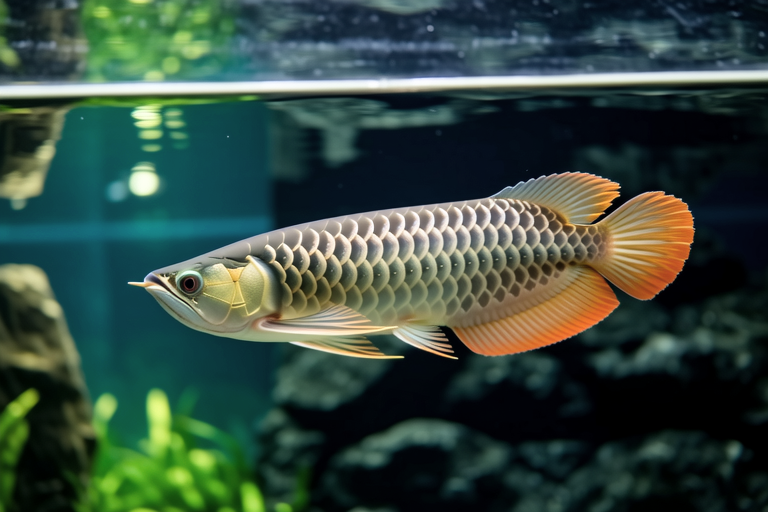
Aquarium Royalty: The Ultimate Care Sheet for Arowana Owners
Welcome to the fascinating world of arowanas, often referred to as the “dinosaur fish” due to their ancient lineage. These majestic creatures are known for their striking appearance and regal demeanor, making them a prized addition to any aquarium. With their elongated bodies, large scales, and impressive jumping abilities, arowanas have earned their reputation as the royalty of freshwater fish. This comprehensive guide will provide you with all the essential information needed to care for these magnificent creatures, ensuring they thrive in your aquarium.
Native Habitats and Ideal Tank Conditions
Native to Southeast Asia, South America, and Africa, arowanas inhabit slow-moving rivers, floodplains, and swamps. They prefer environments with dense vegetation and ample hiding spots. To replicate their natural habitat, it’s crucial to create an ideal tank setup for your arowana.
Tank Size
Arowanas require ample space to swim freely and display their natural behaviors. For a single adult arowana, a minimum tank size of 240 gallons (907 liters) is recommended. Larger tanks are preferable, especially if you plan to house multiple arowanas or other compatible species.
Water Parameters
Maintaining proper water quality is vital for the health of your arowana. Aim for a pH level between 6.5 and 7.5, with a temperature range of 78-82°F (25.5-27.8°C). Ammonia and nitrite levels should be kept at zero, while nitrate levels should remain below 20 ppm. Regular water changes, typically 10-20% weekly, help maintain optimal water quality.
Filtration and Lighting
Effective filtration is key to keeping your arowana’s tank clean and healthy. Choose a high-quality filter that can handle the volume of your tank and provide mechanical, biological, and chemical filtration. Additionally, arowanas benefit from gentle water flow, so avoid overly powerful filters. Proper lighting is also important; arowanas prefer moderate lighting, similar to their natural habitats. Use LED lights that mimic natural daylight cycles.
Diet and Feeding Habits
Arowanas are carnivorous and require a balanced diet rich in protein. In the wild, they feed on insects, small fish, crustaceans, and occasionally plant matter. As pets, they should be fed a varied diet consisting of high-quality pellets, live or frozen foods like bloodworms, brine shrimp, and krill, and occasional treats such as feeder fish. Feed your arowana two to three times per week, offering only what they can consume within five minutes to prevent overfeeding.
Breeding Arowanas
Breeding arowanas is a challenging but rewarding endeavor. They are mouthbrooders, meaning the male carries the eggs and fry in his mouth until they hatch and reach a certain size. To encourage breeding, ensure the tank has ample hiding spots and maintain stable water conditions. Introduce a pair of well-conditioned arowanas, and monitor their behavior closely. If successful, the male will incubate the eggs for several weeks before releasing the fry.
Common Health Issues and Prevention
Like any aquatic creature, arowanas are susceptible to various health issues. Common problems include bacterial infections, parasitic infestations, and nutritional deficiencies. Regular water testing and maintenance can help prevent many of these issues. Quarantine new additions to the tank for several weeks to minimize the risk of introducing diseases. Treat any signs of illness promptly with appropriate medications, following the advice of a veterinarian specializing in exotic fish.
Maintaining a Thriving Environment
To ensure your arowana thrives, regularly check water parameters and perform scheduled water changes. Maintain a stable environment by avoiding sudden changes in temperature or water chemistry. Provide adequate hiding spots and enrich the tank with live plants to simulate their natural habitat. Encourage natural behaviors by offering a variety of food sources and providing ample swimming space.
The Responsibilities of Owning Arowanas
Owning arowanas comes with significant responsibilities. These fish require substantial investment in terms of time, resources, and expertise. Before committing to arowanas, thoroughly research their needs and prepare adequately. Be prepared for long-term care, as arowanas can live up to 20 years. Join local or online communities of arowana enthusiasts to share knowledge and experiences, ensuring you provide the best possible care for these remarkable creatures.
In conclusion, arowanas are truly the royalty of the aquarium world, deserving of the utmost care and attention. By understanding their native habitats, ideal tank conditions, dietary needs, and breeding requirements, you can create a thriving environment for these majestic fish. Embrace the responsibility of ownership and enjoy the rewarding experience of nurturing these ancient and beautiful creatures in your home.
