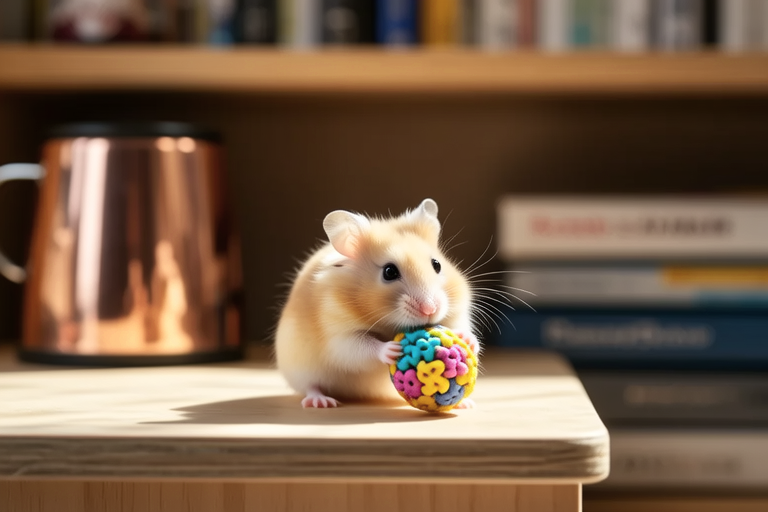
How to Train Your Golden Hamster: Fun Tricks You Can Teach at Home
Welcome to the fascinating world of golden hamsters! These small, charming creatures are not only delightful companions but also surprisingly intelligent and trainable. Known for their curious nature and playful demeanor, golden hamsters are capable of learning a variety of tricks and commands. Training your hamster can be a rewarding experience that strengthens your bond while providing mental stimulation. This guide will walk you through the basics of training your golden hamster, offering step-by-step instructions and fun tricks that you can teach right at home.
The Intelligence and Trainability of Golden Hamsters
Golden hamsters, or Syrian hamsters, are among the most popular pets due to their cute appearance and manageable size. Despite their small stature, they possess remarkable intelligence and problem-solving abilities. Their curiosity makes them eager learners, and with patience and consistency, you can teach them several simple tricks. Understanding their natural behaviors and instincts is key to successful training. For instance, hamsters are nocturnal animals, so it’s best to schedule training sessions during their active hours. They are also solitary by nature, meaning they prefer to be alone, which can make them less social than other pets like dogs or cats.
Basic Training Techniques Using Positive Reinforcement
Positive reinforcement is the cornerstone of hamster training. It involves rewarding desirable behaviors with treats or praise, encouraging your hamster to repeat those actions. Here’s how you can start:
Step 1: Establish Trust and Comfort
Before diving into training, ensure your hamster feels safe and comfortable around you. Spend time handling your pet gently and regularly. Place your hand in its cage for a few minutes daily, allowing your hamster to get used to your scent and presence. Gradually increase the time you spend together, offering small treats to build a positive association.
Step 2: Choose the Right Treats
Select healthy, high-value treats that your hamster loves. Small pieces of fruits, vegetables, or commercial hamster treats work well. Avoid overfeeding, as treats should supplement their regular diet, not replace it.
Step 3: Start Simple
Begin with basic commands like “come” or “sit.” To teach “come,” place your hand near the hamster’s favorite treat and call its name. When your hamster moves toward your hand, offer the treat and praise. Repeat this process consistently to reinforce the behavior.
Step 4: Use Clicker Training (Optional)
If you want to enhance precision, consider clicker training. The clicking sound marks the exact moment your hamster performs the desired action, followed by a treat. This method helps your hamster quickly understand what behavior is being rewarded.
Fun Tricks Suitable for Home Training Environments
Once your hamster has mastered basic commands, you can move on to more advanced tricks. Here are some fun and achievable tricks to try:
1. Lifting a Platform
Teach your hamster to lift a small platform using its nose. Place the platform in front of your hamster and offer a treat just above it. As your hamster sniffs the platform, it may push it slightly with its nose. Reward this behavior immediately. Gradually raise the treat higher, encouraging the hamster to push the platform further. With practice, your hamster will learn to lift the platform on command.
2. Tug of War
Hamsters love to chew and carry things. Use this natural instinct to teach tug-of-war. Hold a small, lightweight toy or a piece of cardboard and encourage your hamster to pull it. Once it starts pulling, reward it with a treat. This game not only entertains your hamster but also provides exercise.
3. Fetch
Hamsters can be trained to fetch objects, much like dogs. Choose a small, easy-to-carry item, such as a ping pong ball or a small wooden block. Throw the object a short distance and encourage your hamster to retrieve it. When it brings back the item, give it a treat. Over time, increase the distance and difficulty of the fetch.
4. Obstacle Course
Create a mini obstacle course using tunnels, bridges, and ramps. Encourage your hamster to navigate through the course using treats as incentives. This activity provides both physical and mental stimulation, keeping your hamster engaged and entertained.
Tips for Maintaining a Consistent Training Schedule and Handling Common Challenges
Consistency is crucial in training. Here are some tips to help you maintain a steady training routine:
Establish a Routine
Schedule regular training sessions, ideally when your hamster is most active. Stick to these times to create a predictable routine. Keep sessions short—about 5 to 10 minutes—to keep your hamster focused and prevent fatigue.
Be Patient and Persistent
Training takes time and patience. Some hamsters may learn faster than others, but persistence is key. If your hamster doesn’t respond immediately, don’t get discouraged. Continue practicing and gradually increase the complexity of the tasks.
Handle Setbacks Gracefully
Setbacks are normal in any training process. If your hamster seems uninterested or distracted, take a break and try again later. Sometimes changing the location or time of day can help. Remember, training should always be a positive experience for both you and your hamster.
Enriching Your Hamster’s Environment Through Training and Play
Training and play are essential for your hamster’s well-being. Not only do they provide mental stimulation, but they also promote physical health and emotional satisfaction. A well-trained hamster is often happier and more content in its environment. By incorporating training into your daily routine, you can strengthen your bond with your pet and ensure a fulfilling life for both of you.
In conclusion, training your golden hamster can be an incredibly rewarding experience. With patience, consistency, and positive reinforcement, you can teach your pet a variety of fun tricks. Remember to tailor your approach to your hamster’s unique personality and preferences. By enriching your hamster’s environment through training and play, you’ll provide a stimulating and enjoyable life for your furry friend. Happy training!
