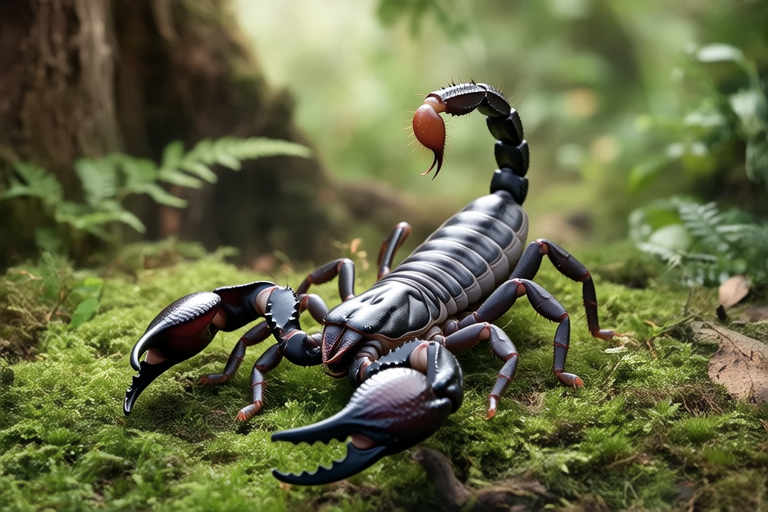
Meet Heterometrus Spinifer: Nature’s Armored Beauty Under Threat
In the intricate tapestry of Earth’s biodiversity, there exists a remarkable creature that has captivated the interest of scientists and nature enthusiasts alike. The Heterometrus spinifer, commonly known as the spiny forest scorpion, is a true marvel of evolution. This article aims to introduce you to this fascinating arachnid, exploring its physical attributes, natural habitat, behavior, ecological significance, and the pressing threats it faces. We will also delve into potential conservation efforts and the importance of safeguarding this unique species for future generations.
The Physical Marvel: An Exoskeleton of Armor
The Heterometrus spinifer is characterized by its robust and heavily armored body, which is adorned with prominent spines along its tail. Its exoskeleton, a hard outer covering, provides exceptional protection against predators and environmental hazards. This armor-like structure is not merely a shield but a testament to the evolutionary adaptations that have allowed this species to thrive in challenging environments. The exoskeleton is segmented, allowing for flexibility and movement while maintaining structural integrity. Each segment is intricately designed to offer maximum defense, making the Heterometrus spinifer a formidable presence in its ecosystem.
The spines on its tail, or telson, serve multiple purposes. They act as defensive weapons, capable of delivering venomous stings to ward off potential threats. These spines are also thought to play a role in communication and mating rituals, adding another layer of complexity to the life of this scorpion. The coloration of the Heterometrus spinifer varies from shades of brown to dark grey, providing excellent camouflage in its natural habitat. This adaptation helps it blend seamlessly into its surroundings, further enhancing its survival strategies.
Natural Habitat and Behavior
Native to Southeast Asia, particularly regions of Thailand, Malaysia, and Indonesia, the Heterometrus spinifer thrives in tropical rainforests, where humidity levels are high and temperatures remain consistently warm. These forests provide an ideal environment for the scorpion, offering ample hiding spots among dense vegetation, rocky crevices, and underground burrows. The Heterometrus spinifer is predominantly nocturnal, emerging at night to hunt for prey, which includes insects, small vertebrates, and other arthropods.
The behavior of the Heterometrus spinifer is governed by its need to avoid detection and conserve energy. It moves stealthily through its habitat, relying on its keen sense of touch and chemoreceptors to locate prey. Once a suitable target is identified, the scorpion pounces with remarkable precision, using its powerful claws to grasp and subdue its victim. Venom injection follows swiftly, ensuring a quick and efficient kill. Despite its aggressive hunting tactics, the Heterometrus spinifer is generally non-aggressive towards humans unless provoked.
During the breeding season, males engage in elaborate courtship dances, utilizing their spines to impress potential mates. After successful mating, females carry their eggs internally until they hatch. Once the offspring are born, they remain attached to the mother’s back for several days, receiving protection and nourishment before venturing out on their own. This maternal care is crucial for the survival of the species, highlighting the complex social behaviors that exist within this seemingly solitary predator.
Ecosystem Role and Significance
The Heterometrus spinifer plays a vital role in maintaining the balance of its ecosystem. As a top predator, it helps regulate insect populations, preventing any single species from becoming overabundant. This, in turn, ensures a diverse range of prey species, contributing to the overall health and stability of the forest ecosystem. Additionally, the burrowing behavior of the scorpion aids in soil aeration and nutrient cycling, benefiting plant growth and the broader ecosystem.
The presence of the Heterometrus spinifer also serves as an indicator of environmental health. Its sensitivity to changes in temperature, humidity, and prey availability makes it a valuable sentinel species. Any decline in population can signal underlying issues within the ecosystem, prompting further investigation and conservation efforts. Understanding the ecological significance of this species underscores the importance of protecting not just individual organisms but entire ecosystems.
Threats Facing the Heterometrus Spinifer
Despite its resilience and adaptability, the Heterometrus spinifer faces numerous threats that jeopardize its survival. Habitat loss, driven by deforestation for agriculture, logging, and urbanization, poses one of the most significant challenges. The destruction of tropical rainforests reduces available shelter and hunting grounds, forcing the scorpions into smaller and less hospitable areas. This fragmentation of habitats also increases the likelihood of inbreeding, reducing genetic diversity and the species’ ability to adapt to changing conditions.
Human activities, such as pesticide use and illegal pet trade, further exacerbate the situation. Pesticides, intended to control agricultural pests, often result in unintended consequences for non-target species like the Heterometrus spinifer. These chemicals can poison the scorpions directly or contaminate their food sources, leading to declines in population numbers. The illegal pet trade, where these scorpions are captured and sold for exotic pets, also contributes to population declines, as it disrupts natural breeding cycles and removes individuals from their native habitats.
Climate change adds another layer of complexity to the threats faced by the Heterometrus spinifer. Rising temperatures and altered rainfall patterns can affect the availability of prey and suitable living conditions. Changes in seasonal patterns may disrupt breeding cycles, further compromising the long-term survival of the species. Addressing these multifaceted threats requires comprehensive conservation strategies that consider both immediate and long-term impacts on the species and its environment.
Potential Conservation Efforts
To ensure the survival of the Heterometrus spinifer, concerted conservation efforts are essential. Protecting and restoring tropical rainforest habitats is paramount. Establishing protected areas and national parks can help preserve critical habitats, providing safe havens for the scorpions and other wildlife. Reforestation projects, aimed at planting native trees and plants, can also create new habitats and corridors for species migration, enhancing connectivity between fragmented areas.
Education and awareness campaigns play a crucial role in fostering a culture of conservation. By informing local communities and tourists about the ecological importance of the Heterometrus spinifer and the threats it faces, we can encourage responsible behavior and reduce the impact of human activities. Supporting sustainable agricultural practices, such as organic farming, can minimize the use of harmful pesticides and promote biodiversity-friendly environments.
Research initiatives focused on understanding the biology, ecology, and behavior of the Heterometrus spinifer are vital for developing effective conservation strategies. Studying the species in its natural habitat can provide insights into its specific needs and vulnerabilities, guiding targeted interventions. Collaborative efforts involving governments, non-governmental organizations, and local communities can enhance the effectiveness of conservation programs, ensuring a coordinated and sustained approach to protecting this unique species.
The Importance of Preservation
The Heterometrus spinifer is more than just a fascinating creature; it represents the intricate web of life that sustains our planet. Its survival is intertwined with the health of entire ecosystems, making it a critical component of biodiversity. Preserving this species not only safeguards its future but also benefits countless other organisms that rely on the same habitats. By protecting the Heterometrus spinifer, we are investing in the resilience and sustainability of our natural world.
Encouraging future generations to appreciate and respect the natural world is crucial. Through education and engagement, we can foster a deeper connection with nature, inspiring a lifelong commitment to conservation. The Heterometrus spinifer stands as a symbol of the beauty and fragility of our planet, reminding us of the responsibility we hold in ensuring its continued existence.
As we move forward, let us embrace the challenge of conserving this armored beauty. By working together and implementing effective conservation strategies, we can ensure that the Heterometrus spinifer continues to thrive for generations to come. Together, we can protect this remarkable species and the invaluable ecosystems it calls home.
