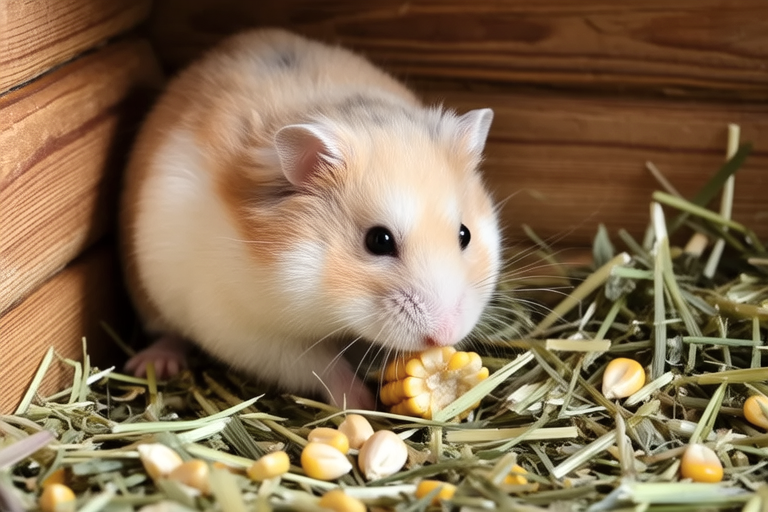
Hamster Hiding Habits: Uncovering Their Secret Stash Locations
Hamsters are fascinating creatures known for their ability to hide food in various locations within their living spaces. This behavior is deeply rooted in their evolutionary history and plays a crucial role in their survival. Understanding why and how hamsters hide their food can provide valuable insights into their natural instincts and help owners manage and interact with these secret stashes safely.
The Evolutionary Drive Behind Food Hoarding
Hamsters are descendants of desert-dwelling rodents that faced harsh environmental conditions, including scarce resources and unpredictable weather patterns. In the wild, food scarcity was a significant threat to survival, leading to the development of hoarding behaviors as an adaptive strategy. By storing excess food during times of abundance, hamsters ensured a steady supply of nutrients during lean periods. This behavior is so ingrained in their genetic makeup that it persists even when food is consistently available in captivity.
Natural Instincts Driving Food Hiding Behavior
The instinct to hide food is primarily driven by survival. Hamsters are solitary animals, and in the wild, they must fend for themselves against predators and competition from other animals. By concealing their food sources, they protect their resources from being discovered and stolen. Additionally, the act of hiding food serves as a form of exercise and mental stimulation, which is beneficial for their overall well-being.
Common Locations for Hamster Food Stashes
Hamsters are resourceful when it comes to selecting stash locations. They often choose areas that are out of sight and difficult for others to access. Some common locations include:
- Corners of the Cage: Hamsters tend to prefer the corners of their living space, where they feel more secure and less exposed.
- Burrows: If your hamster has access to digging materials like sand or nesting hay, they may create underground tunnels and chambers to store their food.
- Between Bars: Some hamsters wedge food between the bars of their cage, especially if there is a gap they can exploit.
- Behind Objects: Any object placed in the cage, such as wheels, toys, or food dishes, can become a potential hiding spot.
- Inside Nesting Material: Soft nesting materials like shredded paper or fabric can be used to conceal food.
Influence of Living Environment on Hiding Behavior
The physical environment significantly influences where hamsters decide to hide their food. Factors such as cage size, presence of obstacles, and availability of suitable hiding spots play a crucial role. A larger cage with multiple levels and compartments provides more opportunities for hamsters to explore and establish different stashes. Conversely, a smaller cage with limited hiding options may lead to more concentrated food storage in specific areas.
The type of bedding material also affects hiding behavior. For instance, sand-based substrates encourage digging and burrowing, while soft nesting materials facilitate the creation of cozy hiding spots. Providing a variety of textures and structures within the cage can stimulate natural foraging behaviors and promote healthier hiding habits.
Signs Indicating Where a Hamster Might Have Hidden Its Food
Recognizing the signs of a hidden stash can be challenging but is essential for maintaining a clean and healthy living environment for your pet. Some indicators include:
- Uneven Floor Texture: If you notice areas in the cage where the bedding appears disturbed or flattened, it could indicate the presence of a stash.
- Food Disappearance: When you notice that certain types of food are disappearing faster than usual, it’s a good sign that your hamster is actively hiding them.
- Noises: Sometimes, you might hear your hamster digging or moving objects around, especially at night when they are most active.
- Visible Burrows: If your hamster has access to digging materials, you may see small tunnels or holes forming in the substrate.
Tips for Owners to Manage and Interact with Hidden Stashes
Managing and interacting with your hamster’s hidden food stashes requires careful consideration to avoid causing stress or disrupting their routine. Here are some practical tips:
- Regular Cleaning: Regularly cleaning the cage helps prevent the buildup of old food, reducing the risk of mold or bacterial growth. However, avoid completely removing all hiding spots to respect your hamster’s need for security.
- Introduce New Foods Gradually: When introducing new types of food, monitor your hamster’s behavior to ensure they accept and hide the new items appropriately.
- Provide Sufficient Food: Ensure that your hamster always has access to fresh food and water to reduce the urge to over-hoard.
- Use Puzzle Feeders: Incorporate puzzle feeders into their environment to encourage foraging and mental stimulation, which can redirect their attention away from excessive hiding.
- Respect Their Space: Avoid rummaging through their hiding spots unless necessary, as this can cause stress and disrupt their sense of security.
Scientific Insights into Hamster Behavior
Research has shown that hamsters exhibit complex behaviors related to food hoarding. Studies have demonstrated that hamsters can differentiate between types of food and prioritize their storage based on nutritional value. They also display a preference for hiding perishable items first, followed by non-perishable foods, suggesting an understanding of food spoilage and preservation.
Moreover, hamsters show individual differences in their hoarding tendencies. Some hamsters are prolific hoarders, while others are more moderate. These variations may be influenced by genetic factors, early life experiences, and environmental conditions. Understanding these individual differences can help owners tailor their care routines to better meet the needs of their pets.
Conclusion
Understanding and respecting your hamster’s natural instincts regarding food hoarding can greatly enhance their quality of life. By providing a stimulating and enriching environment, pet owners can encourage healthy hiding habits while minimizing potential health risks. With patience and observation, you can develop a harmonious relationship with your hamster, ensuring they thrive both physically and mentally.
