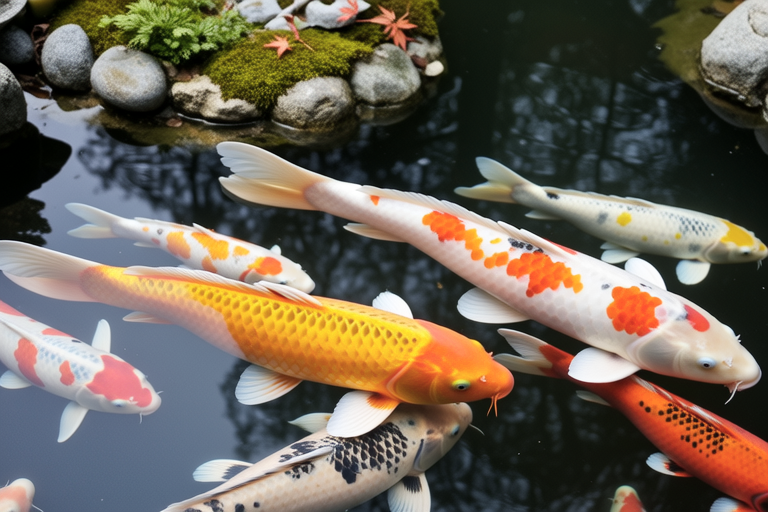
Breathtaking Beauty: How to Keep Your Koi Vibrant and Healthy
There’s something undeniably captivating about koi fish, their vibrant colors and graceful movements making them a favorite among aquarium enthusiasts and pond owners alike. These ornamental fish are more than just pets; they are living works of art that can transform any space into a serene sanctuary. However, maintaining the health and vibrancy of koi requires careful attention to several key factors. In this article, we will explore how to ensure your koi remain healthy, beautiful, and thriving.
The Importance of Water Quality
The foundation of any successful koi pond is optimal water quality. Clean, well-maintained water is crucial for the overall health and longevity of your fish. Several factors contribute to ideal water conditions, including temperature, pH levels, and filtration systems.
Temperature
Koi thrive in temperatures ranging from 64°F to 77°F (18°C to 25°C). Maintaining this temperature range ensures optimal metabolism and immune function. During colder months, it’s important to monitor the pond closely and consider installing a heater if necessary. Conversely, in warmer climates, shading the pond and ensuring adequate circulation can prevent overheating.
pH Levels
Proper pH balance is essential for koi health. The ideal pH range for koi ponds is between 7.2 and 8.0. Regular testing and adjustments using appropriate chemicals or natural methods like adding crushed coral or limestone can help maintain this balance. Avoid sudden changes in pH, as these can stress your fish and lead to health problems.
Filtration Systems
A robust filtration system is vital for removing waste and toxins from the water, keeping it clear and oxygenated. Choose a filter that matches the size of your pond and includes mechanical, biological, and chemical filtration components. Mechanical filters trap debris, biological filters house beneficial bacteria that break down harmful substances, and chemical filters remove dissolved organic compounds.
Nutrition for Vibrant Koi
Feeding your koi a balanced diet is crucial for their health and appearance. Proper nutrition supports growth, boosts immunity, and enhances coloration. Different life stages and seasonal changes require varied dietary needs.
Dietary Needs by Life Stage
Young koi, known as frys, have different nutritional requirements compared to adult koi. Fry diets should be high in protein to support rapid growth and development. As koi mature, their diet can shift towards a more balanced mix of proteins, fats, and carbohydrates. Senior koi may benefit from specialized diets designed to support aging fish.
Seasonal Adjustments
The nutritional needs of koi also vary with the seasons. During spring and summer, when water temperatures are warm and koi are most active, they require higher protein content in their diet to fuel their increased activity levels. In contrast, during fall and winter, when water temperatures drop and koi become less active, they need fewer calories. Switching to low-protein, high-carbohydrate foods during colder months helps prevent overfeeding and promotes digestive health.
Common Health Issues and Prevention
Despite best efforts, koi can still face health challenges. Early detection and intervention are key to preventing minor issues from becoming serious problems.
Parasites and Bacteria
Parasites and bacterial infections are common threats to koi health. Regular monitoring of water quality and maintaining a clean environment can reduce the risk of these issues. If signs of illness appear, such as abnormal behavior, lesions, or discoloration, consult a veterinarian specializing in aquatic animals for diagnosis and treatment options.
Fungal Infections
Fungal infections, often indicated by cotton-like growths on the skin or fins, can occur in stressed or injured fish. Preventing physical damage to your koi and maintaining good water quality can minimize the risk of fungal infections. Treatment typically involves using antifungal medications under veterinary guidance.
Environmental Stressors
Environmental stressors, such as sudden changes in water parameters or overcrowding, can weaken koi’s immune systems, making them more susceptible to diseases. Providing a stable, spacious habitat and minimizing stressful events like frequent netting or rearranging the pond layout can help protect your fish.
Creating a Stimulating Environment
In addition to proper care and feeding, providing a stimulating environment can enhance the well-being and enjoyment of your koi. Aquatic plants and hiding spots offer enrichment and comfort.
Aquatic Plants
Introducing aquatic plants to your pond not only adds aesthetic value but also benefits the ecosystem. Plants provide oxygen through photosynthesis, absorb nutrients, and offer hiding places for koi. Choose hardy varieties that thrive in your local climate and water conditions. Some popular options include water lilies, lotus plants, and hornwort.
Hiding Spots
Providing hiding spots within the pond allows koi to feel secure and reduces stress. Incorporate structures like caves, rocks, and artificial shelters. These areas also serve as breeding grounds for beneficial microorganisms and insects that contribute to the pond’s ecological balance.
Conclusion
Maintaining vibrant and healthy koi requires attention to multiple aspects of care, from water quality and nutrition to environmental enrichment. By understanding and addressing these factors, you can ensure your koi remain beautiful and thrive in their aquatic home. Whether you’re a novice or an experienced koi keeper, following these guidelines will help create a harmonious and rewarding experience for both you and your fish.
