Unveiling the Secret Life of Ragdoll Cats: Facts You Need to Know
Welcome to the enchanting world of Ragdoll cats! These charming felines have captured the hearts of many with their docile nature and striking appearance. Whether you’re a seasoned cat lover or considering adopting your first pet, understanding the nuances of Ragdoll cats can significantly enhance your experience with these delightful creatures. Let’s dive into the secret life of Ragdoll cats, exploring their origins, physical traits, temperament, grooming needs, health considerations, and common misconceptions.
The Origins of Ragdoll Cats
Ragdoll cats originated in California during the mid-20th century. Ann Baker, a breeder from Riverside, California, created this breed by selectively breeding her own long-haired cats. The exact lineage of the original Ragdoll is somewhat shrouded in mystery, but it’s believed that Baker’s domestic longhaired cats were crossed with Persian and Burmese breeds. One notable legend claims that a neighbor’s stray white cat was involved in the breeding process, which may explain the distinctive blue eyes and semi-longhair coat of the Ragdoll.
The name ‘Ragdoll’ comes from the breed’s tendency to go limp when picked up, much like a rag doll. This trait has endeared them to countless owners who find their relaxed demeanor incredibly endearing. Over the years, Ragdolls have become increasingly popular, recognized for their gentle nature and suitability as family pets.
Distinctive Physical Traits
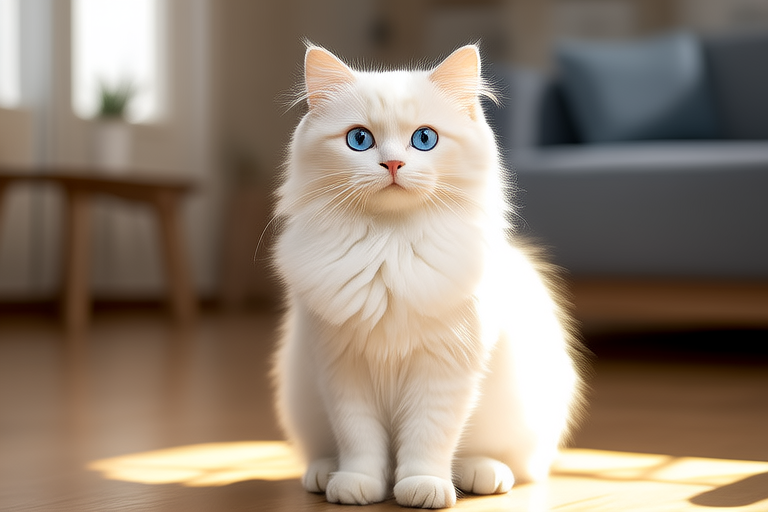
Ragdolls are large, muscular cats with a semi-longhair coat that feels silky to the touch. They come in various colors and patterns, including seal, chocolate, blue, lilac, and cream, with points (darkened extremities) on their ears, face, paws, and tail. Their piercing blue eyes contrast beautifully with their soft, plush coats, giving them a striking appearance.
One of the most remarkable features of Ragdolls is their colorpoint pattern. This pattern is due to temperature-sensitive pigmentation, meaning that the cooler parts of their bodies develop darker colors. Consequently, their faces, ears, and paws tend to be darker than the rest of their bodies, creating a visually appealing contrast.
Temperament and Behavior
Ragdolls are known for their affectionate and laid-back personalities. They are often described as ‘dog-like’ because they follow their owners around the house, enjoy being carried, and even participate in family activities. Many owners report that their Ragdolls will greet them at the door when they return home, making them feel loved and cherished.
Linda, a longtime Ragdoll owner, shares, “My Ragdoll, Luna, is always there to comfort me after a long day. She follows me from room to room, and I often catch her napping next to me on the couch. Her presence brings such warmth and joy to my home.”
Despite their playful nature, Ragdolls are generally calm and quiet, making them ideal companions for households with children and other pets. However, it’s important to note that while they are gentle, they still require attention and stimulation to thrive. Providing toys, scratching posts, and interactive playtime can help keep your Ragdoll mentally and physically engaged.
Grooming Needs
Ragdolls have a semi-longhair coat that requires regular grooming to maintain its lustrous appearance. Weekly brushing helps remove loose hair and prevents matting, especially during shedding seasons. Bathing your Ragdoll occasionally can also keep their coat clean and healthy.
Owners should pay special attention to their Ragdoll’s eyes and ears, as the breed is prone to tear staining and ear infections. Wiping their eyes with a damp cloth can help prevent stains, while cleaning their ears with a cotton ball and veterinarian-approved ear cleaner can reduce the risk of infections.
Health Considerations
While Ragdolls are generally healthy, they are susceptible to certain genetic conditions. Hypertrophic cardiomyopathy (HCM), a heart disease, is one of the most significant concerns. Regular veterinary check-ups and early detection can help manage this condition effectively. Additionally, Ragdolls may suffer from polycystic kidney disease (PKD), a hereditary disorder that can lead to kidney failure. Responsible breeders screen their cats for these conditions before breeding to minimize the risk.
Regular dental care is another crucial aspect of maintaining your Ragdoll’s overall health. Tartar buildup can lead to gum disease and tooth loss, so providing dental treats and brushing your cat’s teeth regularly can help keep their oral hygiene in check.
Common Misconceptions About Ragdoll Cats
One common misconception is that Ragdolls are completely inactive. While they are known for their relaxed demeanor, Ragdolls are actually quite playful and enjoy interactive games. Another myth is that all Ragdolls are hypoallergenic. Unfortunately, there is no such thing as a truly hypoallergenic cat, but some people with allergies may find that Ragdolls cause fewer reactions due to their low-shedding coats.
Some owners believe that Ragdolls require less attention than other breeds. In reality, Ragdolls thrive on human interaction and companionship. They form strong bonds with their owners and can become depressed if left alone for extended periods. Providing ample attention and stimulation is essential for their well-being.
Suitability as Pets in Various Living Situations
Ragdolls are versatile pets that can adapt to various living environments, from small apartments to spacious homes. Their calm and gentle nature makes them excellent companions for urban dwellers, while their playful side ensures they can entertain themselves in larger spaces. However, it’s important to provide them with a safe environment where they can explore and play without any risks.
For families with children, Ragdolls can be wonderful additions. Their patient and tolerant demeanor allows them to coexist peacefully with children, who can learn valuable lessons about responsibility and empathy through caring for their pet. Similarly, Ragdolls get along well with other pets, making them suitable for multi-pet households.
Tips for Prospective Owners
If you’re considering adopting a Ragdoll, here are some tips to ensure a smooth transition:
- Research reputable breeders: Choose a breeder who prioritizes the health and well-being of their cats. Ask about genetic testing and socialization practices.
- Prepare your home: Create a safe and comfortable space for your new Ragdoll, complete with a litter box, food and water bowls, and cozy resting spots.
- Establish a routine: Consistent feeding, playtime, and grooming schedules can help your Ragdoll adjust to their new environment.
- Provide mental and physical stimulation: Interactive toys, scratching posts, and daily play sessions can keep your Ragdoll happy and healthy.
- Visit the vet regularly: Schedule routine check-ups and vaccinations to ensure your Ragdoll stays healthy throughout their life.
By following these guidelines and embracing the unique qualities of Ragdoll cats, you can create a loving and fulfilling relationship with your new pet. Whether you’re a seasoned cat owner or welcoming your first feline friend, Ragdolls offer a lifetime of companionship and joy.
Conclusion
Ragdoll cats are more than just beautiful animals; they are loving companions who bring warmth and happiness to their owners’ lives. Understanding their origins, physical traits, temperament, grooming needs, health considerations, and common misconceptions can help you make informed decisions about bringing a Ragdoll into your home. With proper care and attention, Ragdolls can thrive in various living situations, becoming cherished members of your family.
