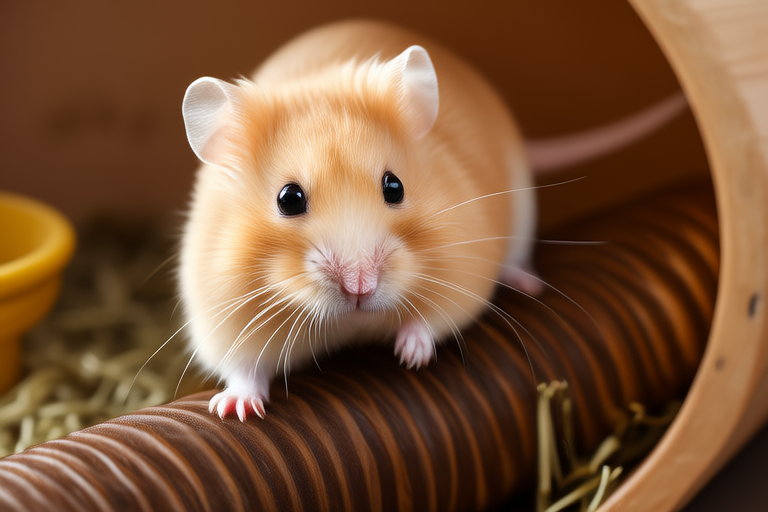
Hamsters in Action: Capturing Adorable Moments with Your Camera
Welcome to the delightful world of hamster photography! These small, fluffy creatures have captured the hearts of many, making them one of the most popular pets today. Hamsters are not only adorable but also fascinating subjects for photography. Their tiny movements, unique behaviors, and expressive faces make each moment with them a potential photo opportunity. In this guide, we’ll explore how you can capture these precious moments, transforming your love for your pet into art.
The Charm of Hamsters
Hamsters are known for their gentle nature, nocturnal habits, and playful antics. Their small size makes them easy to handle and care for, which is why they’re often chosen as first pets for children or those new to pet ownership. With their round, soft bodies and big eyes, hamsters are incredibly photogenic. Their natural curiosity and the variety of their daily activities offer endless opportunities for capturing memorable moments.
Setting Up a Photo-Friendly Environment
To create the perfect backdrop for your hamster photography, start by choosing a suitable location within your home. A quiet room with minimal distractions works best. Natural light is ideal for photography, so position your setup near a window that receives indirect sunlight. Avoid harsh midday sun, which can create unflattering shadows. For artificial lighting, use soft, diffused lights like LED panels or softboxes to ensure even illumination.
Selecting the right background is equally important. Neutral colors like white, gray, or light pastels can help draw attention to your subject without overwhelming it. Alternatively, you can use textures such as soft fabrics or paper to add interest to your images. Consider using a shallow depth of field to blur the background, ensuring your hamster remains the focal point.
Choosing the Right Camera Settings
Your camera’s settings play a crucial role in capturing clear, vibrant images of your hamster. If you’re using a DSLR or mirrorless camera, set your lens to a wide aperture (f/2.8 or lower) to achieve a shallow depth of field. This will blur the background and bring your hamster into sharp focus. Use continuous shooting mode to capture rapid movements, especially during active moments like running on a wheel or digging in a tunnel.
For ISO, aim for the lowest setting possible to minimize noise, ensuring the best image quality. Adjust shutter speed based on your hamster’s activity level; faster speeds (1/250th second or higher) are ideal for capturing quick movements, while slower speeds (1/60th second) can produce interesting motion blur effects. Experiment with different settings to find what works best for your subject.
Capturing Expressions and Activities
Understanding your hamster’s behavior is key to predicting and capturing its best moments. Observe its routine and learn when it’s most active and alert. Early morning or late evening are typically good times for photography, as hamsters are more likely to be awake and engaged. Look out for signs of excitement, such as whisker twitching or ears perking up, which often precede interesting actions.
When it comes to angles, get creative. Try shooting from above to capture the full length of your hamster, or from below to emphasize its cuteness. Low angles can make your subject appear larger and more dominant. Play with perspective by shooting from different distances and heights. Macro lenses are particularly useful for close-up shots that highlight intricate details, like whiskers or fur patterns.
Editing Techniques to Enhance Your Photos
Editing software can help bring out the best in your hamster photos without losing their authenticity. Start by adjusting exposure and contrast to balance the brightness and darkness in your image. Use color correction tools to enhance skin tones and fur colors, ensuring they look natural. Sharpen your photos slightly to bring out fine details, but avoid overdoing it, as excessive sharpening can introduce artifacts.
Consider adding a subtle vignette to direct the viewer’s attention towards your hamster. You can also apply soft filters or overlays to give your images a dreamy, artistic feel. Remember, the goal is to enhance, not alter, the original essence of your photos. Keep the editing process simple and intuitive, focusing on preserving the charm and uniqueness of your pet.
Inspiring Stories and Examples
Many photographers have shared remarkable stories of their hamster adventures. One photographer, inspired by her hamster’s nightly escapades, set up a series of timed exposures to capture its nocturnal activities. The resulting images showcased the hamster’s agility and adventurous spirit in stunning detail. Another photographer used macro photography to highlight the intricate texture of her hamster’s fur, creating a series of close-ups that were both intimate and captivating.
These stories encourage us to step outside our comfort zones and explore new ways to document our hamster’s life. Whether through candid shots or carefully staged scenes, every photograph tells a story. Share your own experiences and photos with fellow enthusiasts online or in local communities. Together, we can celebrate the beauty and wonder of these charming little creatures.
Hamsters in action provide countless opportunities for creativity and joy. By setting up the right environment, choosing appropriate camera settings, and understanding your hamster’s behavior, you can capture truly remarkable images. With a bit of patience and practice, you’ll be able to immortalize your pet’s unique personality and bring its story to life through your lens. Happy snapping!
