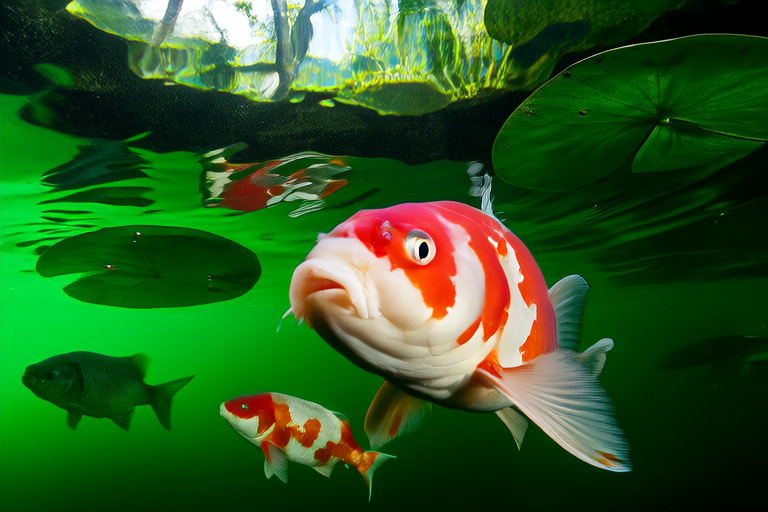
From Pond Scum to Jewel: Transforming Your Water Garden with Koi
Imagine a serene backyard oasis where vibrant fish glide gracefully through clear waters, surrounded by lush greenery. This tranquil scene can be yours with the addition of koi to your water garden. These magnificent creatures, once considered mere pond scum, have transformed into prized aquatic jewels that captivate hearts and minds. This article will guide you through the journey of setting up a water garden suitable for koi, discussing their varieties, care, and the profound emotional and visual rewards they offer.
The Humble Beginnings of Koi
Koi, or Cyprinus carpio, originated from East Asia, specifically from ancient Japan. Initially bred for food, these carp were selectively bred over centuries to develop the colorful and intricate patterns we see today. The term “koi” comes from the Japanese word for “carp,” and it’s no wonder these fish have become symbols of good fortune and perseverance. From their humble beginnings as simple pond dwellers, koi have evolved into majestic aquatic pets that are cherished worldwide.
Setting Up a Water Garden for Koi
Pond Design
Creating a suitable habitat for koi involves careful planning and execution. A well-designed pond should be at least 18 inches deep to provide adequate space for the fish to swim freely. Deeper areas, around three feet, are ideal for winter hibernation. The pond should also include gentle slopes and flat areas for the fish to rest and feed comfortably. Incorporating rocks, logs, and other natural elements can enhance the aesthetic appeal while providing hiding spots and spawning sites.
Filtration Systems
A robust filtration system is crucial for maintaining water quality and ensuring the health of your koi. Biological filters promote beneficial bacteria that break down harmful waste products, while mechanical filters remove debris and particulates. Consider installing a UV sterilizer to eliminate harmful algae and parasites. Regular maintenance of the filtration system is necessary to prevent clogs and ensure optimal performance.
Plant Selection
Plants play a vital role in creating a balanced ecosystem within your water garden. Oxygenating plants like water lettuce and hornwort help maintain oxygen levels, while floating plants such as water lilies and lotus provide shade and reduce algae growth. Submerged plants contribute to the overall aesthetics and offer additional hiding spots for your koi. Choose a variety of plants to create a visually appealing and functional environment.
Varieties of Koi and Their Aesthetic Appeal
Koi come in an array of colors and patterns, each more stunning than the last. The most common types include:
- Red (Hi): Bright red koi with white or black markings.
- White (Shiro): Pure white koi with red or black accents.
- Black (Kuro): Lustrous black koi with red or white highlights.
- Yellow (Ki): Golden yellow koi, often paired with red or white.
- Blue (Ai): Rich blue koi, usually combined with red or white.
Patterns include:
- Plakad: Solid-colored koi with no discernible pattern.
- Sanke: Tricolor koi featuring red, black, and white.
- Hi Utsuri: Black koi with red highlights.
- Shiro Utsuri: White koi with black markings.
Their vibrant colors and unique patterns make koi the centerpiece of any water garden, adding a touch of elegance and serenity to outdoor spaces.
Caring for Your Koi
Feeding
Proper nutrition is essential for the health and longevity of your koi. Feed them high-quality pellets designed for koi and goldfish. During warmer months, feed them twice daily, but reduce feeding frequency during colder periods when their metabolism slows down. Avoid overfeeding, as excess food can pollute the water and harm the fish.
Maintaining Water Quality
Regular water testing is crucial to monitor pH levels, ammonia, nitrite, and nitrate concentrations. Aim for a pH between 7.2 and 8.0, with low levels of ammonia and nitrite. Perform partial water changes weekly to keep the environment clean and stable. Use dechlorinated water to avoid introducing harmful chemicals.
Common Health Issues
Like any pet, koi are susceptible to various health issues. Common problems include fin rot, bacterial infections, and parasitic infestations. Early detection and treatment are key to preventing serious complications. Regularly observe your koi for signs of distress, such as lethargy, loss of appetite, or unusual behavior. Consult a veterinarian specializing in aquatic animals for diagnosis and treatment options.
The Emotional and Visual Rewards of Nurturing Koi
Keeping koi in your water garden offers numerous emotional and visual benefits. Watching these graceful creatures swim through the water provides a sense of peace and tranquility, making your outdoor space a perfect retreat from the stresses of daily life. The vibrant colors and patterns of koi add a touch of elegance and beauty, transforming ordinary gardens into captivating havens.
Moreover, nurturing koi fosters a deeper connection with nature. As you tend to your pond and watch your fish grow and thrive, you’ll develop a greater appreciation for the delicate balance of ecosystems. This experience can inspire a lifelong passion for gardening and aquatic life.
In conclusion, transforming your water garden with koi is a rewarding endeavor that combines aesthetics, functionality, and emotional fulfillment. By following the essential steps for setting up a suitable habitat, understanding the different varieties of koi, and providing proper care, you can create a serene and beautiful outdoor space that brings joy and tranquility to your home. Embrace the journey from pond scum to jewel, and let koi become the stars of your water garden.
