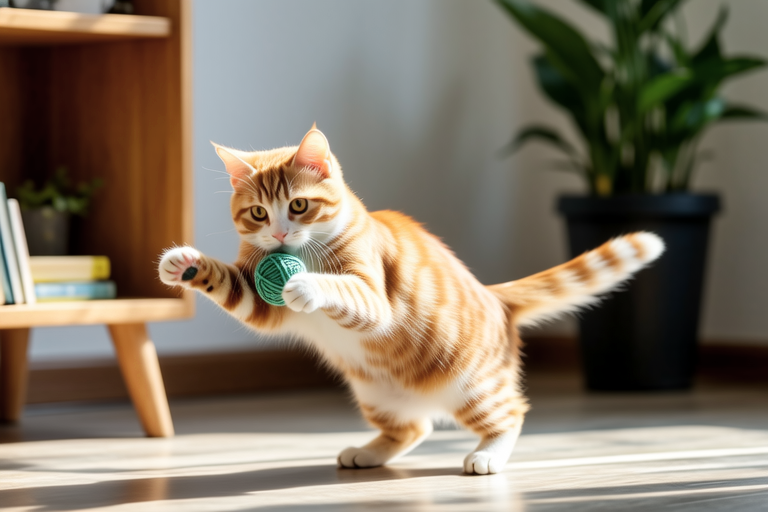
How to Care for Your Lively Orange Tabby
Welcome to the world of owning an orange tabby! These cats are not only visually striking with their rich, vibrant coats but also have unique personalities that make them delightful companions. Whether you’re a first-time cat owner or a seasoned one, understanding the specific needs of your orange tabby can help ensure they live a long, healthy, and happy life. This guide covers everything from dietary needs to exercise, grooming, health considerations, and behavioral insights. Let’s dive into how to care for your lively orange tabby.
Dietary Needs
Proper nutrition is essential for any cat, and orange tabbies are no exception. Their diet should consist of high-quality proteins, fats, vitamins, and minerals. Look for cat food that lists meat as the primary ingredient. Wet food is preferable because it contains more moisture, which helps keep your cat hydrated and supports kidney health. Dry food can be given as a supplement, but always ensure it complements the wet food rather than replacing it.
Orange tabbies tend to have higher energy levels, so they require more calories compared to less active breeds. However, it’s crucial to avoid overfeeding, as obesity can lead to various health issues. Consult your veterinarian to determine the appropriate portion sizes based on your cat’s age, weight, and activity level. Additionally, consider adding supplements like taurine, which is vital for heart and eye health, especially in cats.
Exercise Requirements
Orange tabbies are known for their playful and energetic nature. Providing ample opportunities for physical activity is important to maintain their health and happiness. Interactive toys such as feather wands, laser pointers, and puzzle feeders encourage mental stimulation and physical exercise. Set aside time each day for play sessions, mimicking the hunting behaviors that come naturally to them.
Create a stimulating environment with climbing structures, scratching posts, and hiding spots. These elements allow your cat to explore and expend energy. Regular playtime also strengthens the bond between you and your cat, making them feel secure and loved.
Grooming Tips
The luxurious coat of an orange tabby requires regular grooming to prevent matting and hairballs. Brush your cat at least once a week using a slicker brush or comb designed for short-haired cats. This not only keeps their coat shiny and healthy but also reduces shedding inside your home. During seasonal changes, particularly when they molt, increase the frequency of brushing to two or three times per week.
Bathing your orange tabby may seem daunting, but it’s generally unnecessary unless they get particularly dirty or develop skin issues. If bathing is required, use a gentle, cat-specific shampoo and be sure to rinse thoroughly to remove all soap residues. Afterward, dry your cat with a soft towel or let them air-dry in a warm room.
Trimming nails regularly is another important aspect of grooming. Use nail clippers designed for cats, and always approach this task gently. If your cat becomes stressed, take breaks and offer treats to create positive associations with nail trimming.
Health Considerations
Regular veterinary check-ups are crucial for maintaining your orange tabby’s health. Discuss with your vet about vaccinations, parasite control, and dental care. Dental hygiene is often overlooked but plays a significant role in overall health. Provide dental treats or toys that promote oral health, and consider brushing your cat’s teeth if they tolerate it well.
Orange tabbies may be prone to certain genetic conditions, such as hypertrophic cardiomyopathy (HCM), a heart disease that affects many purebred orange tabbies. Early detection through regular vet visits can improve outcomes. Keep an eye out for signs of HCM, including difficulty breathing, lethargy, and decreased appetite. Promptly consult your veterinarian if you notice any concerning symptoms.
Behavioral Insights
Understanding your orange tabby’s behavior can help you address common issues effectively. These cats are typically social and enjoy interacting with their human families. They thrive on attention and affection, so spending quality time together is beneficial for both you and your pet.
Some orange tabbies might exhibit territorial behavior, especially if there are multiple pets in the household. Introduce new animals gradually and provide separate spaces for eating, sleeping, and playing. This helps reduce conflicts and promotes harmony within the household.
If your orange tabby displays destructive behaviors, such as scratching furniture or knocking items off shelves, redirect their energy towards appropriate outlets. Provide scratching posts covered in materials they prefer, such as sisal or corrugated cardboard. Encourage them to use these by placing treats nearby or spraying them with catnip.
Creating an Enriching Environment
To keep your orange tabby engaged and entertained, create an environment filled with interactive elements. Incorporate vertical spaces like cat trees or shelves where they can climb and observe their surroundings. Offer puzzle feeders that challenge them mentally while providing meals. Rotate toys periodically to maintain interest and novelty.
Consider setting up a window perch with comfortable cushions and a bird feeder outside. Watching birds and other wildlife provides hours of entertainment and mental stimulation. Ensure the perch is stable and safe, preventing accidents.
Finally, establish a routine that includes consistent feeding times, play sessions, and cuddle periods. Cats appreciate predictability, which helps them feel secure and content.
Addressing Common Issues
Owners of orange tabbies often face challenges related to their high energy levels and curious nature. Here are some strategies to handle common issues:
- Biting and Scratching: Redirect biting and scratching behavior by offering appropriate toys and praising your cat when they use them correctly.
- Excessive Meowing: Some orange tabbies meow frequently, seeking attention or expressing discomfort. Identify the underlying cause and address it accordingly. If it persists, consult a veterinarian or animal behaviorist.
- Separation Anxiety: Many orange tabbies become anxious when left alone for extended periods. To ease separation anxiety, gradually accustom your cat to being alone. Provide interactive toys and leave the radio on for familiar sounds. Consider hiring a pet sitter or utilizing pet cameras for additional reassurance.
In conclusion, caring for an orange tabby involves meeting their dietary, exercise, grooming, health, and behavioral needs while creating an enriching environment. By understanding and addressing these aspects, you’ll foster a strong bond with your cat and ensure they lead a fulfilling life. Remember, every cat is unique, so tailor your approach based on individual preferences and requirements. With love, patience, and proper care, your orange tabby will bring years of joy and companionship into your home.
