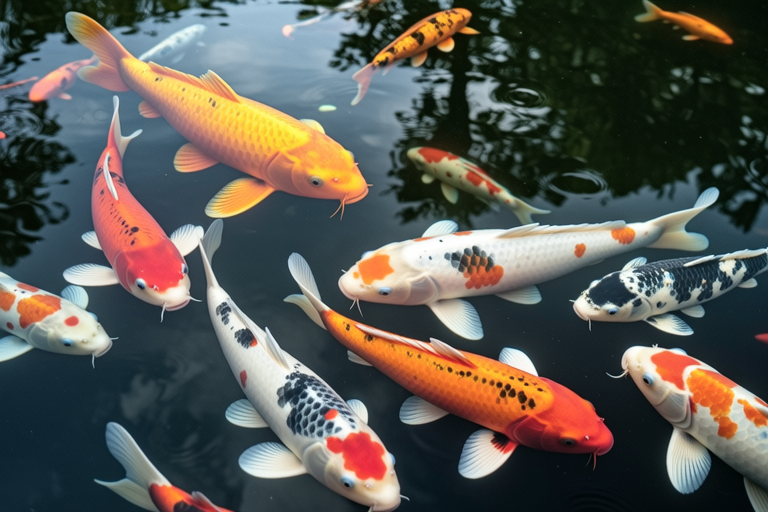
Unleashing the Beauty: Top 10 Vibrant Koi Varieties for Your Pond
Koi fish have long been cherished for their beauty and grace, making them a popular choice for garden ponds around the world. These colorful carp are not just ornamental; they also bring a sense of tranquility and joy to any outdoor space. Koi come in various vibrant colors and patterns, each with its own unique appeal. Whether you’re a seasoned pond owner or new to the hobby, selecting the right koi variety can transform your pond into a stunning aquatic display. This article will guide you through the top 10 most vibrant koi varieties available, providing details on their color patterns, size potential, and care requirements. Additionally, we’ll offer tips on maintaining a healthy pond environment for your koi, helping you make informed decisions when choosing the perfect fish for your pond.
1. Kohaku
The Kohaku is perhaps the most iconic and beloved koi variety. Known for its striking white and red color combination, it epitomizes simplicity and elegance. The red markings, known as ‘Hi’, often form bold patches on a pure white background. Kohakus can grow up to 3 feet in length, making them impressive additions to larger ponds. They thrive in well-maintained environments with stable water quality. Regular feeding with high-quality koi pellets ensures they reach their full potential size and coloration.
2. Showa Sanshoku
Showa Sanshokus are distinguished by their tri-color pattern of black, red, and white. The black (‘Sumi’) serves as the base color, with red and white accents adding vibrancy. These koi are highly sought after for their intricate and balanced color distribution. Showas can grow to be quite large, reaching lengths of 2 to 3 feet. Their robust health makes them suitable for ponds with moderate maintenance, but they still require regular monitoring of water parameters like pH and ammonia levels.
3. Sanke
Sanke koi, also known as Taisho Sanshoku, are similar to Kohakus but feature additional black Sumi markings. The contrast between the red, white, and black creates a dynamic and visually captivating appearance. Sanke koi can grow to about 2 to 3 feet in length, thriving in ponds that provide ample swimming space. To keep them healthy, ensure the water remains clean and free from pollutants. A well-functioning filtration system is crucial for maintaining optimal water quality.
4. Ogon
Ogons are known for their metallic sheen, which gives them a radiant glow under sunlight. Available in gold, platinum, and orange hues, these koi add a touch of elegance to any pond. Ogons typically grow to around 1.5 to 2 feet in length. Their hardiness makes them ideal for beginners, as they are less demanding in terms of water conditions. However, they still benefit from regular water changes and proper nutrition to maintain their vibrant coloration.
5. Bekko
Bekkos are characterized by their white, yellow, or red base color with black Sumi spots. These spots are often scattered across the body, creating a striking contrast. Bekkos can grow up to 2.5 feet in length, making them a great choice for medium-sized ponds. They require regular feeding and attention to water quality, especially during warmer months when algae growth can become problematic. A balanced diet and consistent water maintenance will help them stay healthy and vibrant.
6. Shiro Utsuri
Shiro Utsuris have a predominantly black base with white spots, creating a dramatic yet elegant look. The white (‘Shiro’) spots can vary in size and placement, adding uniqueness to each fish. These koi can reach lengths of 2 to 3 feet. Proper care includes maintaining a stable pH level and ensuring adequate oxygenation in the water. A good filtration system and occasional water testing are essential for keeping Shiro Utsuris in top condition.
7. Ki Utsuri
Ki Utsuris share similarities with Shiro Utsuris but feature yellow (‘Ki’) spots instead of white ones against a black base. The combination of yellow and black results in a striking and eye-catching appearance. Ki Utsuris can grow to approximately 2 to 3 feet in length. Like other koi varieties, they require a clean and well-oxygenated environment. Regular water changes and a nutritious diet will support their health and longevity.
8. Asagi
Asagi koi have a distinctive blue and gray head with a lighter, almost pastel-colored body. The contrast between the darker head and lighter body creates a beautiful gradient effect. Asagis usually grow to about 2 to 3 feet in length. They are relatively hardy and adaptable, making them suitable for ponds with varying water conditions. However, they still benefit from regular feeding and routine water maintenance to ensure optimal health.
9. Tancho
Tancho koi are unique due to their red spot located at the top of their head, resembling the national symbol of Japan, the red sun. This red spot stands out against their otherwise white body, creating a striking visual impact. Tanchos can grow to around 2 to 3 feet in length. They require careful attention to water quality and temperature, as they are more sensitive to changes in their environment. Providing a stable and clean pond habitat is key to keeping Tanchos healthy and vibrant.
10. Goshiki
Goshikis are known for their five-color pattern, combining elements of Kohaku, Showa, and Bekko. The colors include white, red, black, blue, and yellow, creating a complex and visually rich design. Goshikis can grow to about 2 to 3 feet in length. Their intricate color patterns demand a high level of care, including meticulous water management and a nutritious diet. Regular water testing and maintenance are necessary to prevent any health issues.
Maintaining a Healthy Pond Environment for Koi
To ensure your koi remain healthy and vibrant, it’s important to maintain a clean and stable pond environment. Here are some essential tips:
- Water Filtration: Invest in a reliable filtration system that can handle the volume of your pond. This helps remove waste and debris, maintaining clear water.
- Aeration: Ensure your pond has sufficient aeration to prevent stagnant areas and promote oxygen circulation.
- Water Testing: Regularly test the water for pH, ammonia, nitrite, and nitrate levels. Adjustments may be needed to maintain optimal conditions.
- Feeding: Provide a balanced diet tailored to koi nutritional needs. Avoid overfeeding, as excess food can pollute the water.
- Pond Maintenance: Perform routine cleaning and maintenance tasks, such as removing leaves and debris, to prevent accumulation and decay.
Choosing the Right Koi Variety for Your Pond
Selecting the appropriate koi variety depends on several factors, including pond size and your personal preferences. For smaller ponds, consider more compact varieties like Ogon or Bekko. Larger ponds can accommodate bigger koi such as Kohaku or Showa Sanshoku. Additionally, take into account the color scheme and overall aesthetic you wish to achieve. Some varieties, like Tancho or Goshiki, offer unique and striking patterns that can serve as focal points in your pond.
Ultimately, the choice comes down to what resonates with you personally. Whether you prefer bold and contrasting colors or more subtle and elegant designs, there’s a koi variety that will perfectly complement your pond and bring joy to your outdoor space.
