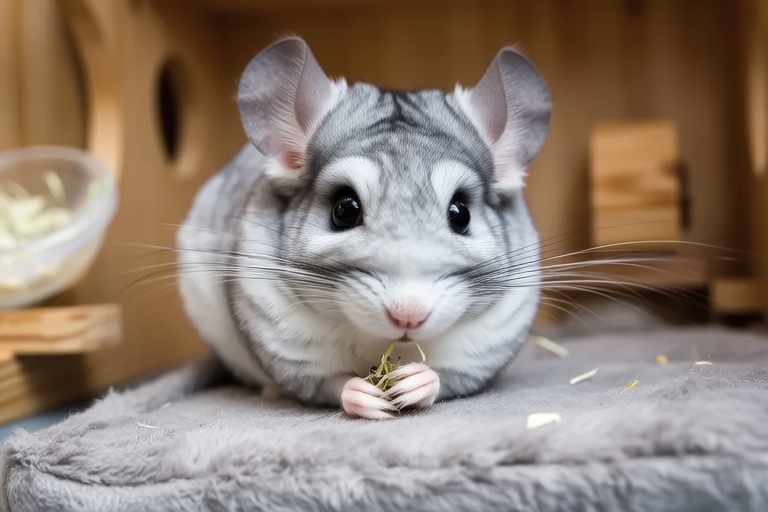
Chinchilla Care Made Easy: Tips for New Pet Owners from Expert Breeders
Welcome to the fascinating world of chinchillas! These charming, fluffy rodents have captured the hearts of many pet lovers with their unique appearance and delightful personalities. Originating from the Andes Mountains in South America, chinchillas are known for their thick, luxurious fur, which has historically made them highly sought after. Despite their small size, these creatures have become increasingly popular as pets due to their intelligence and engaging behavior. This guide aims to provide new chinchilla owners with essential care tips, ensuring your furry friend thrives in its new home.
The Origins and Appeal of Chinchillas
Native to the high altitudes of the Andes, chinchillas have adapted to cold climates and sparse vegetation. Their dense fur acts as insulation against harsh weather conditions, making them particularly sensitive to heat. In the wild, they live in colonies, which helps protect them from predators. Domesticated chinchillas retain much of their natural behaviors, making them interesting companions. Their curious nature and playful antics make them appealing pets, but they require careful attention to their specific needs.
Habitat Setup
Creating a suitable habitat is crucial for your chinchilla’s well-being. A spacious cage is necessary, ideally measuring at least 3 feet wide, 2 feet deep, and 2 feet tall. The cage should be multi-level, providing ample space for climbing and exploring. Wire-bottom cages are often recommended, but it’s important to place a solid surface under the wire to prevent injuries. Avoid cedar or pine bedding, as these can cause respiratory issues; instead, opt for dust-free paper pulp or recycled paper products.
Temperature control is vital, as chinchillas are sensitive to heat. Maintain a temperature between 60°F and 70°F (15°C and 21°C), and ensure good ventilation. Place the cage away from direct sunlight and drafts. Provide plenty of toys and hiding spots to stimulate your chinchilla mentally and physically. Chew toys are particularly important, as chinchillas need to gnaw to keep their teeth trimmed.
Dietary Needs
Chinchillas have specific dietary requirements to maintain their health. Their diet primarily consists of hay, pellets, and fresh water. Timothy hay is ideal, providing essential fiber for digestion. Pellets should be specifically formulated for chinchillas, containing no added sugars or artificial colors. Fresh vegetables like carrots, broccoli, and dandelion greens can be offered sparingly, but avoid fruits due to their high sugar content.
Ensure your chinchilla always has access to clean, fresh water. Water bottles are preferable to bowls, as they reduce the risk of contamination. Regularly check and clean the bottle to prevent blockages. A balanced diet supports your chinchilla’s overall health, preventing digestive issues and promoting a healthy coat.
Grooming Practices
Chinchillas require regular grooming to maintain their luxurious fur. Unlike other animals, they cannot bathe in water; instead, they use fine dust baths. Provide a shallow container filled with commercial chinchilla dust once or twice a week, allowing them to roll around for about 10-15 minutes. Remove the dust bath after each session to prevent skin irritation.
In addition to dust bathing, weekly brushing with a soft-bristled brush can help remove loose fur and prevent matting. Pay special attention to areas where the fur is prone to tangling, such as behind the ears. Grooming also provides an opportunity for bonding and building trust with your chinchilla.
Common Health Issues
Like any pet, chinchillas can face health challenges. One common issue is dental problems, as chinchillas’ teeth continuously grow. Ensure they have appropriate chew toys to wear down their teeth naturally. Signs of dental issues include drooling, difficulty eating, or weight loss. If you notice any of these symptoms, consult a veterinarian specializing in exotic pets.
Respiratory infections are another concern, especially if the environment is too humid or dusty. Symptoms include sneezing, nasal discharge, or labored breathing. Keep the cage clean and well-ventilated to minimize the risk. Regular veterinary check-ups are crucial for early detection and treatment of any potential health issues.
Socializing and Bonding
Chinchillas are social animals and thrive on interaction with their human families. Spend time daily handling your chinchilla gently, allowing it to get used to being held. Use treats as positive reinforcement during training sessions, encouraging calm behavior. Patience is key when socializing your chinchilla, as they may initially be wary of human contact.
Bonding with your chinchilla can take time, but it’s worth the effort. Establish a routine that includes playtime, grooming, and cuddling. This helps build trust and strengthens your relationship. Remember, chinchillas are prey animals, so sudden movements or loud noises can startle them. Approach them calmly and speak softly to create a reassuring environment.
Resources for Further Learning and Community Support
Becoming a responsible chinchilla owner involves continuous learning. Numerous books and articles are available, offering in-depth information on chinchilla care. Local pet stores and online forums provide valuable insights from experienced breeders and owners. Joining a chinchilla club or online group can connect you with like-minded individuals who share your passion for these adorable pets.
Consider visiting a veterinarian who specializes in exotic pets for regular check-ups and consultations. They can offer personalized advice tailored to your chinchilla’s specific needs. Additionally, attending workshops or seminars hosted by reputable organizations can enhance your knowledge and skills in chinchilla care.
Remember, every chinchilla is unique, and what works for one might not work for another. Be patient, observant, and attentive to your pet’s individual preferences and behaviors. With proper care and attention, your chinchilla will bring joy and companionship into your life for years to come.
