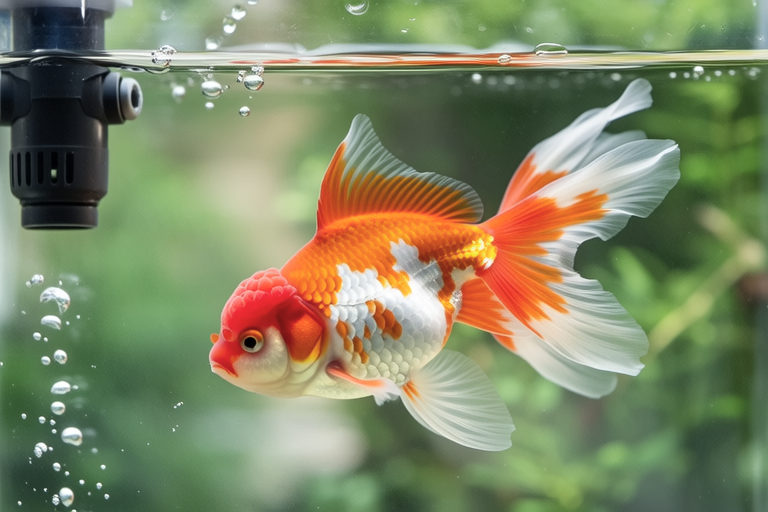
Goldfish Lifespan Secrets: How to Extend Your Pet’s Life
Welcome to the world of goldfish care! These delightful creatures have been cherished by aquarium enthusiasts for centuries. On average, goldfish can live between five to ten years, but with the right care, they can live much longer. Factors such as water quality, diet, and living conditions play significant roles in determining their lifespan.
The Basics: Understanding Goldfish Lifespan
Goldfish are known for their vibrant colors and graceful swimming, but their longevity depends heavily on the environment you provide them. While some goldfish may only reach two or three years, others can live up to twenty years under ideal conditions. The difference lies in how well their needs are met.
Optimal Water Conditions
Water quality is paramount for goldfish health. Poor water conditions can lead to stress, illness, and shortened lifespans. Maintaining clean, oxygen-rich water is crucial. Goldfish require a pH level between 6.5 and 8.0, and ammonia and nitrite levels should be undetectable. Regular partial water changes, around 25% weekly, help maintain these parameters.
Adequate filtration is essential for removing waste and maintaining oxygen levels. Choose a filter that processes at least four times the volume of your tank per hour. For example, a 20-gallon tank would need a filter capable of processing 80 gallons per hour.
Proper Nutrition
Feeding your goldfish a balanced diet is key to their health and longevity. A variety of foods ensures they receive all necessary nutrients. High-quality fish flakes, pellets, and occasional treats like brine shrimp or bloodworms provide a nutritious diet. Avoid overfeeding, as excess food can pollute the water and cause digestive issues.
Feed your goldfish twice daily, providing only what they can consume within a few minutes. This practice prevents waste buildup and maintains water clarity.
Suitable Tank Size
Goldfish are active swimmers and need ample space to thrive. A general rule is to provide at least 20 gallons of water per fish. Smaller tanks restrict movement and increase waste concentration, leading to poor water quality and health issues.
In addition to size, the shape of the tank matters. Opt for a long tank rather than a tall one, as it provides more surface area for oxygen exchange. Goldfish prefer spacious environments where they can swim freely without feeling cramped.
Filtration Systems
An efficient filtration system is vital for maintaining a healthy aquatic environment. Filtration helps remove harmful substances like ammonia, nitrite, and uneaten food particles. There are several types of filters available, each serving different purposes:
- Mechanical Filters: Trap large debris and particles, keeping the water clear.
- Biological Filters: Support beneficial bacteria that break down toxic compounds.
- Chemical Filters: Absorb dissolved organic compounds and colorants.
Combining these elements creates a robust filtration system that supports long-term goldfish health.
Regular Maintenance
Maintaining your aquarium regularly ensures a healthy habitat for your goldfish. Besides weekly water changes, other maintenance tasks include cleaning the tank, checking equipment, and monitoring water parameters. Cleaning the substrate, decorations, and glass helps prevent the accumulation of algae and detritus.
Regularly inspecting your goldfish for signs of distress or disease is also important. Early detection allows for prompt treatment, preventing minor issues from becoming serious problems.
Common Health Issues to Avoid
Several health issues can affect goldfish if not properly cared for. Some common ailments include fin rot, ich (white spot disease), dropsy, and swim bladder disorders. Recognizing symptoms early and addressing them promptly can prevent further complications.
To prevent these issues, ensure your tank is free from sharp objects, maintain good water quality, and avoid overcrowding. Quarantine new additions to your aquarium to prevent introducing diseases.
Creating a Stimulating Environment
Goldfish are intelligent creatures that benefit from mental stimulation. Incorporate plants, rocks, and tunnels into your tank setup to create hiding spots and encourage exploration. Floating plants and caves provide opportunities for your goldfish to interact and hide, enriching their lives.
Additionally, consider incorporating interactive toys or devices that stimulate their senses. Rotating these items periodically keeps the environment interesting and engaging.
The Importance of Vet Check-Ups
Just like any other pet, goldfish require routine veterinary care. Annual check-ups allow veterinarians to assess overall health and catch potential issues before they become severe. Look for a veterinarian specializing in exotic pets or fish to ensure your goldfish receives appropriate care.
During these visits, discuss any concerns or changes in behavior with your vet. They can offer advice on maintaining optimal health and address any specific issues your goldfish might be experiencing.
Conclusion
Extending your goldfish’s lifespan requires dedication and attention to detail. By understanding and meeting their needs, you can provide them with a long, healthy life. From maintaining optimal water conditions and proper nutrition to ensuring suitable tank size and regular maintenance, every aspect contributes to their well-being.
Remember, a stimulating environment and regular vet check-ups further enhance their quality of life. With these practices in place, you’ll enjoy many years of companionship with your beloved goldfish.
