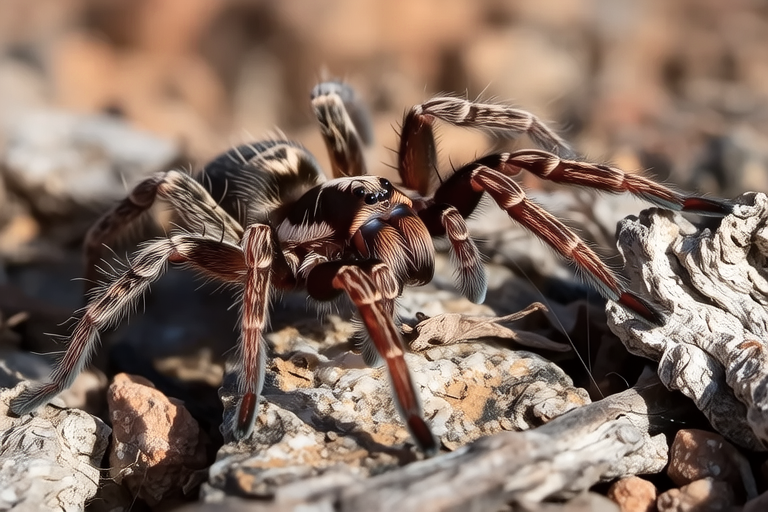
The Ultimate Guide: How to Care for Your First Tarantula
Welcome to the world of tarantulas! These fascinating creatures are becoming increasingly popular as pets due to their unique appearance and relatively low maintenance compared to other exotic animals. However, owning a tarantula comes with significant responsibilities. This comprehensive guide will walk you through everything you need to know about caring for your first tarantula, from choosing the right species to maintaining a healthy environment.
Tarantula Species Overview
There are over 900 species of tarantulas worldwide, each with distinct characteristics. Some common types include:
- Barking Spider: Known for its loud defensive behavior.
- Chilean Rose Hair: A beginner-friendly choice with a docile temperament.
- Hairy Knee: Recognizable by its thick knee hairs.
- Greenbottle Blue: A stunning blue coloration.
When selecting a tarantula, consider factors like size, temperament, and care requirements. Smaller species are generally easier to handle and require less space.
Necessary Equipment
To ensure your tarantula thrives, invest in appropriate equipment:
Enclosure
Adequate housing is crucial. Choose an escape-proof terrarium or aquarium with a secure lid. The enclosure’s size depends on the species; for instance, a 10-gallon tank suits most medium-sized tarantulas.
Substrate
Use a suitable substrate to mimic the tarantula’s natural habitat. Popular choices include coconut fiber, peat moss, and cypress mulch. Maintain a depth of at least 3 inches to allow burrowing and moisture retention.
Water Dish
Provide a shallow water dish filled with fresh water daily. Ensure it’s stable and not too deep to prevent drowning.
Temperature and Humidity Requirements
Maintaining optimal environmental conditions is vital for your tarantula’s health.
Temperature
Most tarantulas prefer temperatures between 75°F and 85°F (24°C – 29°C). Use a digital thermometer to monitor these levels accurately. Avoid extreme fluctuations that could stress your pet.
Humidity
Relative humidity should range from 60% to 80%, depending on the species. Utilize a hygrometer to measure humidity levels. Increase humidity by misting the enclosure or adding a humidifier if necessary.
Diet and Feeding Habits
Tarantulas are carnivorous and consume various insects. Feed them appropriately sized prey such as crickets, mealworms, or dubia roaches. Offer food every 7 to 14 days, adjusting based on your tarantula’s appetite.
Ensure prey items are gut-loaded (fed nutritious foods) before offering them to your tarantula. Remove uneaten prey after 24 hours to prevent potential harm.
Handling and Safety Tips
While tarantulas can be fascinating to observe, they are not typically handled like traditional pets.
Safety Precautions
Always wash hands before and after handling. Never grab or squeeze your tarantula. Instead, gently coax it into a container for transport. Some tarantulas may flick urticating hairs defensively, which can cause irritation. Wear protective clothing when handling to minimize contact.
Handling Frequency
Limit handling to avoid stressing your tarantula. Observe their behavior and health closely instead. Regular interaction isn’t necessary for their well-being.
Common Health Issues
Understanding potential health problems helps ensure early intervention.
- Mites: Tiny parasites that can infest enclosures. Clean and disinfect regularly to prevent infestation.
- Dehydration: Insufficient hydration can lead to lethargy and decreased appetite. Monitor water dishes and humidity levels carefully.
- Regurgitation: Occurs when tarantulas spit up undigested food. This might indicate stress or improper feeding practices.
Consult a veterinarian specializing in exotic animals if you notice any unusual symptoms.
Advice on Creating a Stimulating Environment
Providing mental and physical stimulation enhances your tarantula’s quality of life.
Environmental Enrichment
Incorporate hiding spots like cork bark or artificial caves. These provide security and encourage natural behaviors. Additionally, add climbing structures such as branches or vines for exercise.
Regular Maintenance
Perform routine cleaning to maintain hygiene. Remove waste promptly and replace substrate every few months. Clean water dishes daily and inspect enclosures for signs of wear or damage.
Responsibilities of Tarantula Ownership
Owning a tarantula involves commitment and dedication.
- Research: Thoroughly understand your tarantula’s needs before bringing one home.
- Time Commitment: Allocate time for regular feeding, monitoring, and maintenance.
- Financial Preparedness: Budget for initial setup costs, ongoing supplies, and veterinary care.
Be prepared for long-term responsibility. Tarantulas can live up to 20 years, making this a significant commitment.
Conclusion
Caring for your first tarantula requires knowledge, patience, and attention to detail. By following this guide, you’ll be well-equipped to provide a happy, healthy environment for your new pet. Remember, responsible ownership ensures both your enjoyment and your tarantula’s well-being.
