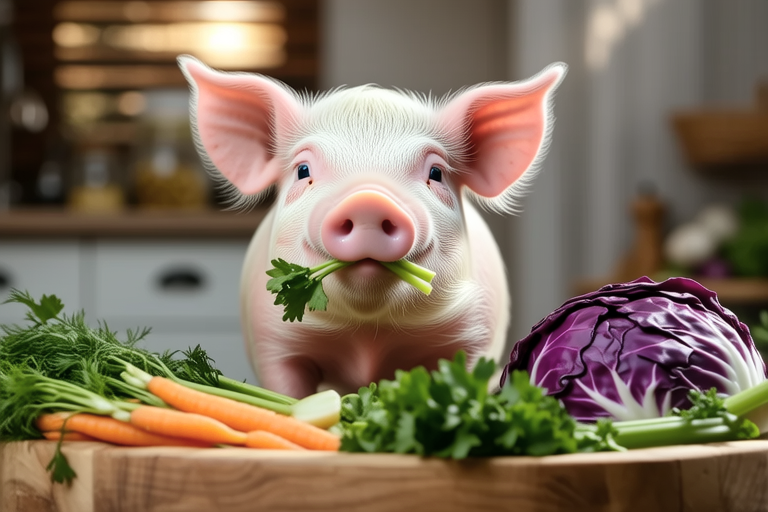
Unveiling the Secret to Perfectly Balanced Diet for Your Lovable Guinea Pig
Guinea pigs, also known as cavies, are delightful pets that require special care to ensure they live long, healthy lives. One of the most crucial aspects of their care is providing them with a perfectly balanced diet. Understanding the essential dietary needs of your guinea pig is key to maintaining their overall health and well-being.
The Importance of a Balanced Diet
A balanced diet is fundamental for the health and longevity of your guinea pig. These small animals have specific nutritional requirements that must be met to prevent diseases and promote optimal growth. A well-balanced diet not only supports their physical health but also enhances their mental well-being, making them happier and more active companions.
Critical Nutrients: The Role of Vitamin C
Vitamin C is one of the most important nutrients for guinea pigs. Unlike humans and many other animals, guinea pigs cannot synthesize this vitamin internally, making it essential to include it in their diet. Deficiency in Vitamin C can lead to a condition called scurvy, which causes symptoms such as lethargy, swollen joints, and bleeding gums. To prevent scurvy, it is vital to provide your guinea pig with ample sources of Vitamin C through their daily diet.
The Ideal Ratio of Hay, Fresh Vegetables, Fruits, and Pellets
The cornerstone of a guinea pig’s diet is hay. Timothy hay is particularly recommended as it aids in digestion and keeps their teeth worn down, preventing overgrowth. Fresh vegetables should make up about 10% of their diet, with leafy greens being especially beneficial. Safe fruits can be given occasionally as a treat, but due to their high sugar content, they should be offered sparingly. Commercial pellets formulated specifically for guinea pigs should constitute around 5-10% of their daily intake, ensuring they receive all necessary nutrients.
Safe and Unsafe Foods
It is crucial to understand which foods are safe for your guinea pig and which ones should be avoided. Safe vegetables include romaine lettuce, parsley, and dandelion greens, while fruits like strawberries and blueberries can be given as occasional treats. Unsafe foods include iceberg lettuce, rhubarb leaves, and chocolate, which can be toxic or harmful to guinea pigs. Always research thoroughly before introducing new foods into your pet’s diet.
Tips on Portion Control and Meal Frequency
Proper portion control and regular meals are essential for maintaining your guinea pig’s health. Hay should always be available in unlimited quantities, allowing your pet to graze throughout the day. Vegetables and fruits should be provided in controlled portions, typically once a day, while pellets should be limited to the recommended amount on the packaging. Common feeding mistakes include overfeeding sugary fruits and underfeeding hay, both of which can lead to obesity or malnutrition.
Monitoring Weight and Adjusting the Diet
Regularly monitoring your guinea pig’s weight is crucial for adjusting their diet as needed. Signs of overweight or underweight can indicate underlying health issues or improper nutrition. If your guinea pig appears to be gaining or losing weight, consult with a veterinarian to determine if dietary changes are necessary. Adjustments might involve increasing or decreasing the amount of certain foods or changing the type of hay or pellets used.
In conclusion, providing a perfectly balanced diet for your guinea pig is essential for their health and happiness. By understanding their nutritional needs, including critical nutrients like Vitamin C, and adhering to the ideal ratio of hay, vegetables, fruits, and pellets, you can ensure your pet thrives. Be mindful of safe and unsafe foods, practice proper portion control, and regularly monitor your guinea pig’s weight to make any necessary adjustments. With the right diet, your lovable guinea pig will enjoy a long and healthy life.
