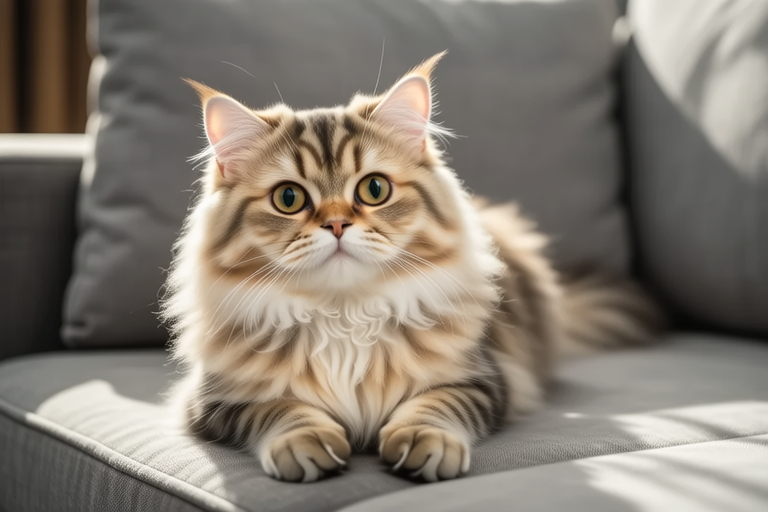
A Gentle Giant’s Guide: Caring for Your British Shorthair Golden
Introduction
Welcome to your comprehensive guide on caring for your British Shorthair Golden. This breed, known for its gentle nature and golden coat, requires special attention to ensure they lead a healthy and happy life. In this guide, we will cover their specific needs, grooming, health concerns, dietary requirements, and behavioral traits. We’ll also provide advice on choosing the right accessories, toys, and environments suited for them. Lastly, we’ll delve into their history and characteristics that make them unique.
The History and Characteristics of the British Shorthair Golden
The British Shorthair Golden is a variant of the classic British Shorthair, renowned for its plush, dense coat and robust physique. Originating from the United Kingdom, these cats have been a part of the show circuit since the late 19th century. The golden variation is distinguished by its warm, honey-golden fur, which can range from light cream to rich amber. Their round faces, wide-set eyes, and plush coats give them an air of calmness and dignity.
British Shorthairs are known for their even temperaments and affectionate nature. They are patient and good-natured, making them excellent companions for families with children or other pets. Their playful yet calm demeanor makes them ideal for both active and laid-back households.
Grooming Your British Shorthair Golden
Grooming a British Shorthair Golden is essential to keep their luxurious coat in top condition. Their thick, short fur requires regular brushing to prevent matting and reduce shedding. Use a slicker brush or a fine-toothed comb to gently remove loose hair and dirt. Brushing your cat at least once a week is recommended, but during shedding seasons, you may need to increase the frequency to twice a week.
Bathing your British Shorthair Golden should be done sparingly, as their natural oils are beneficial for their skin and coat. If necessary, use a mild, pH-balanced cat shampoo and ensure thorough rinsing to avoid any residue. Always dry your cat thoroughly after bathing to prevent catching a chill.
Trimming their nails is another important aspect of grooming. Regular nail trimming helps prevent overgrowth and potential discomfort. Use sharp, rounded clippers designed for cats, and always be gentle. It’s best to trim one nail at a time and reward your cat with treats to make the experience more positive.
Dietary Requirements
Proper nutrition is crucial for maintaining the health and vitality of your British Shorthair Golden. These cats require a balanced diet that includes high-quality protein, fats, carbohydrates, vitamins, and minerals. Consult with your veterinarian to determine the appropriate amount of food based on your cat’s age, weight, and activity level.
Cats are obligate carnivores, meaning they require animal-based proteins for optimal health. Look for cat foods that list meat as the primary ingredient, such as chicken, fish, or lamb. Avoid foods with excessive fillers, artificial preservatives, or additives. Wet food can be a great supplement to dry food, providing additional moisture and nutrients.
Ensure your cat has access to fresh water at all times. Water is essential for digestion, circulation, and overall health. Consider using a water fountain to encourage drinking, as flowing water can be more appealing to cats.
Health Concerns
While British Shorthair Goldens are generally healthy, they can be prone to certain genetic conditions. Hypertrophic cardiomyopathy (HCM), a heart disease, is one of the most common issues in this breed. Regular veterinary check-ups are essential for early detection and management of such conditions.
Polycystic kidney disease (PKD) is another hereditary condition that affects some British Shorthairs. This condition involves the formation of cysts in the kidneys, which can lead to kidney failure. Genetic testing can help identify carriers of PKD before breeding.
Maintaining a healthy weight is vital for preventing obesity-related issues. Obesity can exacerbate joint problems, diabetes, and respiratory difficulties. Encourage your cat to engage in moderate physical activity, such as playing with interactive toys or providing climbing structures.
Behavioral Traits
British Shorthair Goldens are known for their gentle and calm demeanor. They are patient and affectionate, often forming strong bonds with their human companions. These cats enjoy spending time with their owners but are also independent and can entertain themselves when necessary.
Despite their calm nature, British Shorthair Goldens can be playful and curious. Providing them with stimulating toys and activities can help keep them mentally and physically engaged. Puzzle feeders, feather wands, and laser pointers are excellent choices for keeping your cat entertained.
Socialization is important for all cats, especially if you plan to introduce a new British Shorthair Golden to your household. Gradual introductions and supervised play sessions can help build positive relationships between your cat and other pets or family members.
Choosing the Right Accessories, Toys, and Environments
Selecting the right accessories and toys for your British Shorthair Golden can enhance their comfort and enjoyment. A comfortable, padded bed is essential for providing a cozy resting spot. Choose a bed that is large enough for your cat to stretch out fully and made from soft, washable materials.
Toys that promote mental and physical stimulation are highly recommended. Interactive toys like puzzle feeders, feather wands, and laser pointers can help keep your cat entertained and engaged. Climbing structures and scratching posts are also beneficial, providing opportunities for exercise and claw maintenance.
The environment you create for your British Shorthair Golden should be safe, comfortable, and enriching. Ensure that your home is free from hazardous substances, such as toxic plants or cleaning products. Provide multiple litter boxes in different areas of the house to accommodate your cat’s preferences. Additionally, consider creating designated spaces for your cat, such as a window perch or a cozy nook, where they can relax and observe their surroundings.
Conclusion
Caring for a British Shorthair Golden is a rewarding experience, filled with companionship and joy. By understanding their specific needs, grooming routines, dietary requirements, and health concerns, you can ensure that your cat leads a healthy and happy life. Remember to provide plenty of love, attention, and enrichment to keep your gentle giant thriving. With proper care and attention, your British Shorthair Golden will become a cherished member of your family for many years to come.
