Chilean Rose Tarantulas: Debunking Myths and Sharing Secrets of Their Care
The Chilean rose tarantula (Grammostola rosea) is one of the most popular pet tarantulas due to its manageable size, docile temperament, and striking appearance. These spiders are native to the arid regions of South America, particularly in parts of Chile, Argentina, and Bolivia. With their vibrant pinkish hue and distinctive patterns, they are a favorite among tarantula enthusiasts. This article aims to provide a comprehensive guide to understanding and caring for Chilean rose tarantulas, debunking common myths and offering valuable insights into their care.
Introduction to Chilean Rose Tarantulas
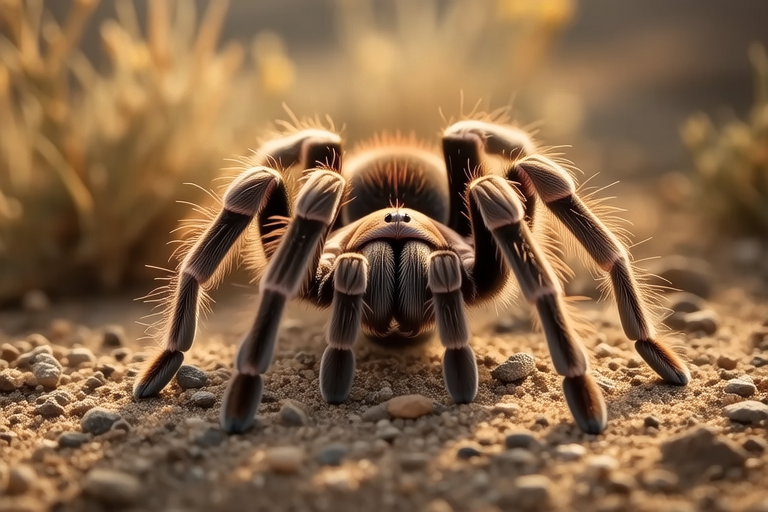
Chilean rose tarantulas are medium-sized spiders, typically reaching lengths of around 4 to 6 inches when fully grown. They have a robust body covered in short, fine hairs that give them a velvety appearance. The coloration of these tarantulas ranges from light pink to dark brown, with some individuals displaying more vibrant hues. Their legs are adorned with tufts of hair, adding to their aesthetic appeal.
Naturally, Chilean rose tarantulas inhabit dry, desert-like environments characterized by sparse vegetation and rocky terrain. They are adapted to thrive in conditions of low humidity and high temperatures, making them well-suited to life in captivity. In the wild, they burrow into the ground or seek shelter under rocks, where they can avoid predators and regulate their body temperature.
Debunking Common Myths About Chilean Rose Tarantulas
Myth 1: All Tarantulas Are Aggressive
One of the most pervasive myths about tarantulas, including Chilean roses, is that they are inherently aggressive. While it is true that all tarantulas possess venomous fangs, the vast majority of species, including G. rosea, are quite docile and unlikely to bite unless provoked. Their primary defense mechanism involves flicking urticating hairs from their abdomen, which can cause irritation to the eyes and skin of potential threats.
In captivity, Chilean rose tarantulas rarely display aggressive behavior towards humans. They tend to retreat into their burrows or hideaways when approached, preferring to avoid confrontation. Understanding this aspect of their nature helps demystify the notion that these spiders are dangerous pets.
Myth 2: Tarantulas Can Jump Great Distances
Another common misconception is that tarantulas, especially the larger species, can leap across significant distances. While some tarantulas may make short, quick movements to escape danger, they are not capable of jumping like grasshoppers or frogs. The idea of a tarantula launching itself at prey or an owner is purely fictional.
Chilean rose tarantulas are primarily ground-dwelling creatures that rely on their eight legs to move slowly but steadily. Their agility is limited, and they prefer to stay close to their burrows or hiding spots. This behavior makes them relatively easy to manage in a controlled environment.
Myth 3: Tarantulas Do Not Need Water
It is often believed that tarantulas do not require water because they absorb moisture from their food. While it is true that these spiders obtain much of their hydration through their diet, they still need access to clean water. Providing a shallow dish of water allows them to drink and maintain proper hydration levels, which is crucial for their overall health.
Ensuring a steady supply of fresh water helps prevent dehydration, especially in drier climates or during periods of increased activity. Regularly checking and refilling the water dish is an important aspect of tarantula care.
Essential Aspects of Caring for Chilean Rose Tarantulas
Appropriate Housing
Choosing the right enclosure is fundamental to the well-being of your Chilean rose tarantula. A glass terrarium with a secure lid is ideal, providing adequate ventilation while preventing escapes. The enclosure should be spacious enough to allow the spider ample room to move around comfortably. For adult tarantulas, a tank measuring at least 10 gallons (approximately 38 liters) is recommended.
Substrate plays a critical role in creating a suitable environment for your tarantula. A layer of coconut fiber or reptile bark approximately 3 to 4 inches deep provides an excellent base. This substrate retains moisture and allows the spider to burrow comfortably. Adding a few flat stones or small branches can enhance the enclosure’s aesthetics and offer additional hiding spots.
Temperature and Humidity Requirements
Maintaining the correct temperature and humidity levels is vital for the health of your Chilean rose tarantula. The ideal temperature range for these spiders is between 75°F and 85°F (24°C to 29°C). You can achieve this by using a heat mat placed underneath one side of the enclosure, allowing for a temperature gradient within the tank.
Humidity levels should be kept moderate, ideally between 50% and 70%. This can be achieved by misting the enclosure occasionally and ensuring that the substrate remains slightly damp but not overly wet. Proper humidity levels help prevent respiratory issues and ensure that the spider can moult successfully.
Diet
Chilean rose tarantulas are carnivorous and require a varied diet to remain healthy. In the wild, they feed on insects such as crickets, mealworms, and other small invertebrates. In captivity, feeding them appropriately sized crickets or dubia roaches is recommended. Juvenile tarantulas should be fed every 5 to 7 days, while adults can be fed less frequently, about once a week.
To ensure proper nutrition, gut-loading feeder insects with nutritious foods before offering them to your tarantula is advisable. This practice enhances the nutritional value of the prey items, contributing to the overall health of your pet. Additionally, dusting the feeder insects with calcium powder helps prevent deficiencies.
Handling Tips
While Chilean rose tarantulas are generally docile, handling them should be done with caution and respect for their boundaries. Always wash your hands before and after handling to remove any oils or residues that could stress the spider. Use long-handled tweezers or a soft brush to gently coax the spider out of its burrow if necessary.
Avoid picking up the tarantula by its legs or abdomen, as this can cause injury. Instead, place your hand near the front of the spider and allow it to walk onto your hand voluntarily. If the tarantula flicks urticating hairs, rinse the affected area immediately with water and apply a cool compress to soothe any irritation.
Health Concerns
Regular monitoring of your tarantula’s behavior and physical condition is essential for early detection of health issues. Signs of distress include lethargy, refusal to eat, or unusual movement patterns. One common concern for tarantula owners is moulting, during which the spider sheds its exoskeleton. Ensure that the enclosure is humid enough to facilitate this process smoothly, and avoid disturbing the spider during this vulnerable period.
Parasites and infections can also pose risks to your tarantula’s health. Keeping the enclosure clean and maintaining optimal environmental conditions helps prevent such issues. If you notice any signs of illness, consult a veterinarian specializing in exotic animals for professional advice.
Advice on Choosing the Right Equipment and Accessories
Selecting the appropriate equipment and accessories is key to providing the best possible care for your Chilean rose tarantula. A reliable thermometer and hygrometer are essential for monitoring temperature and humidity levels accurately. A good quality heat mat ensures consistent warmth without overheating the enclosure.
Feeder insects should be purchased from reputable suppliers to guarantee their quality and health. Investing in a high-quality water dish that is easy to clean and refill is also important. Finally, having a soft brush or long-handled tweezers on hand facilitates safe handling and interaction with your pet.
In conclusion, Chilean rose tarantulas are fascinating creatures that, when cared for properly, make wonderful additions to any household. By understanding their natural behaviors, addressing common misconceptions, and providing appropriate care, you can ensure a happy and healthy life for your pet. Whether you’re a novice or an experienced tarantula owner, following these guidelines will help you create a thriving environment for your Chilean rose tarantula.
