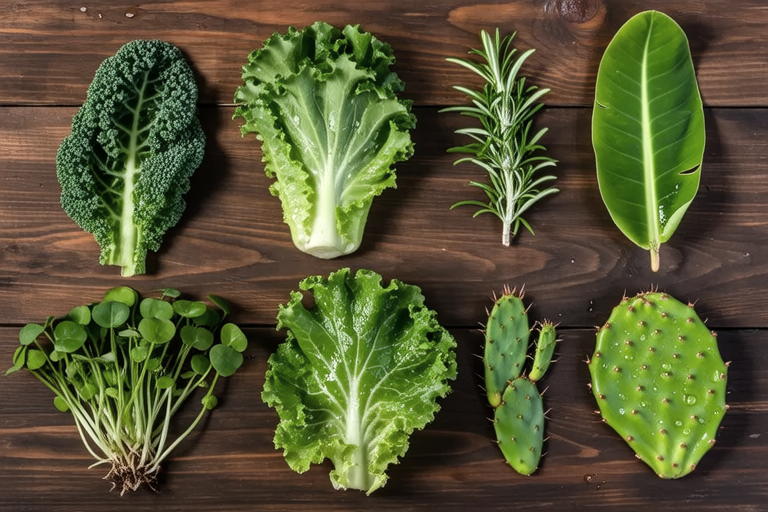
Top 10 Plants Safe for Bearded Dragons in Their Enclosure
Introduction:
The inclusion of plants in bearded dragon enclosures is essential for their overall well-being. Not only do plants provide aesthetic appeal, but they also offer significant benefits to the reptiles’ health and enrichment. Plants can help maintain humidity levels, improve air quality, and offer hiding spots or climbing structures. They also stimulate natural behaviors like foraging and exploration, which are crucial for mental and physical stimulation. However, it’s vital to select plants that are safe and non-toxic for bearded dragons to prevent any potential harm. This article will explore the top 10 plants that are safe and beneficial for bearded dragons in their enclosures.
1. Spider Plant (Chlorophytum comosum)
The spider plant is an excellent choice for bearded dragon enclosures due to its hardiness and low maintenance requirements. It thrives in various light conditions and can withstand occasional neglect. The spider plant produces small, white flowers that can attract pollinators, adding to the enclosure’s biodiversity. Additionally, it has long, arching leaves that create a visually appealing environment for your pet. Ensure the plant is free from pesticides before introducing it into the enclosure.
2. Pothos (Epipremnum aureum)
Pothos is another popular choice for bearded dragon enclosures because of its attractive, heart-shaped leaves and trailing vines. This plant is known for its air-purifying properties, helping to improve the air quality within the enclosure. Moreover, its vines can serve as a climbing structure, encouraging physical activity and exercise for the bearded dragon. Like the spider plant, pothos should be pesticide-free and kept away from direct sunlight to prevent leaf burn.
3. Boston Fern (Nephrolepis exaltata)
Boston ferns are perfect for creating a lush, tropical atmosphere in bearded dragon enclosures. These plants are particularly beneficial for humidity-loving reptiles, as they can help increase the humidity level within the enclosure. They require indirect light and regular misting to thrive. The Boston fern’s feathery fronds provide a soothing visual element and can also serve as a hiding spot for the bearded dragon. Regular watering and proper drainage are crucial for this plant’s health.
4. Dwarf Umbrella Tree (Schefflera arboricola)
The dwarf umbrella tree is a compact version of the Schefflera genus, making it ideal for smaller enclosures. Its umbrella-like canopy creates a dense, shaded area that can serve as a retreat for the bearded dragon. This plant is easy to care for and can tolerate low light conditions, though it prefers bright, indirect light. The dwarf umbrella tree’s sturdy branches can support light climbing activities, promoting physical fitness for the reptile. Always ensure the plant is pesticide-free and avoid placing it near food or water dishes to prevent contamination.
5. Philodendron (Philodendron spp.)
Philodendrons are widely recognized for their heart-shaped leaves and trailing vines, which make them an attractive addition to bearded dragon enclosures. They come in various colors and patterns, adding visual interest to the habitat. Philodendrons can help purify the air and add a touch of greenery to the enclosure. However, they require careful placement, as some varieties can be toxic if ingested in large quantities. Always introduce new plants gradually and monitor your bearded dragon for any signs of distress.
6. Fiddle Leaf Fig (Ficus lyrata)
Fiddle leaf figs are popular for their large, glossy leaves and architectural appearance. These plants can add height and depth to the enclosure, creating a more dynamic environment. They prefer bright, indirect light and regular watering. Fiddle leaf figs can help improve air quality and provide shade for the bearded dragon. However, they can be heavy, so ensure the enclosure’s structure can support the weight. Regular pruning may be necessary to maintain the plant’s shape and size.
7. Peperomia (Peperomia spp.)
Peperomias are small, compact plants that can fit easily into most enclosures. They come in various shapes and sizes, offering a range of textures and colors. Peperomias are known for their ability to thrive in low light conditions, making them suitable for enclosures with limited lighting. These plants can help purify the air and add a touch of greenery to the enclosure. Peperomias are generally non-toxic, but as with any new plant, introduce them gradually and monitor your bearded dragon for any signs of distress.
8. Snake Plant (Sansevieria trifasciata)
Snake plants are highly durable and require minimal care, making them an ideal choice for bearded dragon enclosures. They can withstand low light conditions and infrequent watering, which is beneficial for busy owners. Snake plants are known for their air-purifying properties and can help improve air quality within the enclosure. Their upright, sword-like leaves can serve as a climbing structure or hiding spot for the bearded dragon. As with other plants, ensure the snake plant is pesticide-free and kept away from food and water dishes to prevent contamination.
9. ZZ Plant (Zamioculcas zamiifolia)
ZZ plants are popular for their glossy, dark green leaves and their ability to thrive in low light conditions. They are highly drought-tolerant and can survive in environments with limited watering. ZZ plants can help purify the air and add a touch of greenery to the enclosure. They are generally non-toxic, but as with any new plant, introduce them gradually and monitor your bearded dragon for any signs of distress. ZZ plants can serve as a climbing structure or hiding spot for the bearded dragon.
10. Ponytail Palm (Beaucarnea recurvata)
Ponytail palms are unique and eye-catching plants that can add a tropical flair to bearded dragon enclosures. They have thick, swollen trunks and long, thin leaves that resemble ponytails. Ponytail palms are highly drought-tolerant and can withstand infrequent watering. They can help improve air quality and add a touch of greenery to the enclosure. Ponytail palms can serve as a climbing structure or hiding spot for the bearded dragon. As with other plants, ensure the ponytail palm is pesticide-free and kept away from food and water dishes to prevent contamination.
Safety Tips:
When introducing new plants into your bearded dragon’s enclosure, it’s crucial to follow these safety tips:
- Ensure the plant is pesticide-free and has not been treated with any harmful chemicals.
- Introduce new plants gradually and monitor your bearded dragon for any signs of distress.
- Keep the plant away from food and water dishes to prevent contamination.
- Regularly inspect the plant for pests or diseases and take appropriate action if necessary.
- Provide adequate ventilation and maintain proper humidity levels to prevent mold growth.
- Trim any dead or decaying parts of the plant to maintain a healthy environment.
By following these guidelines and selecting the right plants, you can create a safe and enriching environment for your bearded dragon. Remember that while plants can offer numerous benefits, they should never replace a balanced diet and proper care. Consult with a veterinarian or a reptile specialist if you have any concerns about your bearded dragon’s health or well-being.
