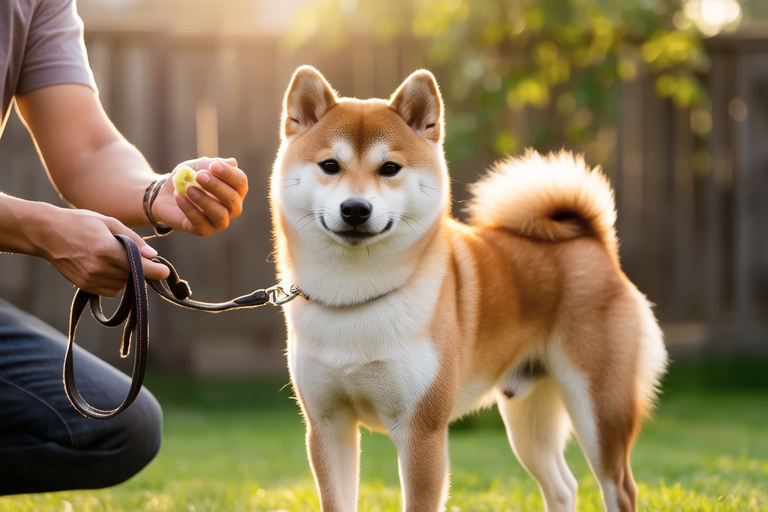
Training Tips for Taming the Wild Side of Your Shiba Inu
The Shiba Inu, a small but sturdy breed from Japan, is known for its striking red coat, fox-like face, and independent spirit. These dogs are not just adorable; they are also incredibly intelligent and can be quite stubborn. This combination makes them both challenging and rewarding pets. Their wild side, characterized by their natural instinct to hunt and their strong will, requires thoughtful and patient training. Understanding and harnessing these traits is key to enjoying a harmonious relationship with your Shiba Inu. This article provides practical tips to help you train your Shiba Inu effectively, ensuring that both you and your dog can thrive.
Understanding the Shiba Inu’s Personality
The Shiba Inu’s independent streak is one of its most defining characteristics. They were originally bred for hunting, which means they have a strong prey drive and a tendency to be more reserved around strangers. This breed can be aloof and selective about who they trust, making socialization crucial from a young age. Despite their independence, Shibas are loyal to their families and can form deep bonds with their owners. Their intelligence, however, means that they require consistent and thoughtful training to channel their energy and instincts into positive behaviors.
Effective Training Methods
Training a Shiba Inu requires a unique approach that takes into account their intelligence and stubbornness. The following methods have proven effective:
Positive Reinforcement
Positive reinforcement is the cornerstone of Shiba Inu training. Reward-based training involves giving your dog treats, praise, or playtime when they perform desired behaviors. This method is particularly effective with Shibas because it taps into their natural desire for attention and rewards. It’s important to reward good behavior immediately after it occurs to strengthen the association between the action and the reward.
Consistency is Key
Consistency is vital when training a Shiba Inu. Shibas thrive on routine and predictability. If you allow certain behaviors at one time and not another, your dog may become confused and resistant to training. Establish clear rules and expectations from the start and stick to them. Consistency helps Shibas understand what is expected of them and reinforces positive behaviors.
Short, Engaging Sessions
Shibas have short attention spans, so keep training sessions brief and engaging. Aim for 10-15 minute sessions, depending on your dog’s age and energy level. Use high-value treats and incorporate games to keep your Shiba interested and motivated. This approach not only keeps training sessions fun but also ensures that your dog remains attentive and engaged throughout.
Socialization
Proper socialization is essential for all dogs, especially for breeds like the Shiba Inu that tend to be cautious around unfamiliar people and animals. Early socialization can help prevent aggression and fearfulness. Introduce your Shiba Inu to various environments, people, and other animals from a young age. Start with controlled settings and gradually increase exposure as your dog becomes more comfortable. Positive experiences during these interactions can go a long way in shaping your Shiba’s behavior.
Basic Commands
Teaching basic commands is fundamental to any dog’s training. For Shibas, it’s important to start with simple commands and gradually build up to more complex ones. Here are some essential commands to focus on:
Stay
The “stay” command is useful for keeping your Shiba Inu calm and in place. Begin by asking your dog to sit or lie down, then extend your hand in front of them while saying “stay.” Take a step back and reward your dog if they remain in position. Gradually increase the distance and duration over time.
Leave It
The “leave it” command is particularly useful for preventing your Shiba Inu from picking up inappropriate items. Place a treat on the ground and cover it with your hand. Say “leave it” and wait for your dog to stop trying to get the treat. Once they do, remove your hand and give them an alternative treat as a reward.
Recall
A reliable recall command is crucial for ensuring your Shiba Inu’s safety. Start training in a quiet, distraction-free environment. Call your dog’s name followed by “come,” and reward them with treats and praise when they respond. Gradually increase the complexity of the environment as your dog becomes more proficient.
Addressing Common Behavioral Issues
Despite proper training, Shibas may still exhibit some challenging behaviors. Here are some common issues and strategies to address them:
Chewing
Chewing is a natural behavior for dogs, but it can become problematic if it extends to inappropriate objects. Provide your Shiba Inu with plenty of appropriate chew toys and redirect them to these toys whenever they start chewing on something they shouldn’t. Consistent redirection and praise for good choices can help reinforce the right behavior.
Separation Anxiety
Some Shibas may experience separation anxiety, leading to destructive behaviors when left alone. To combat this, gradually increase the amount of time your dog spends alone. Leave them with a favorite toy or puzzle feeder to keep them occupied and reduce anxiety. Desensitizing your Shiba to being alone can also help alleviate this issue.
Barking
Shibas can be vocal dogs, and excessive barking can become a problem. Identify the triggers for your dog’s barking and work on addressing those specific situations. Teaching the “quiet” command can also be helpful. When your Shiba starts barking, say “quiet” and wait for them to stop. Reward them with treats and praise once they comply.
Maintaining a Balanced Approach
Training your Shiba Inu requires a balanced approach that combines patience, consistency, and positive reinforcement. It’s important to remember that every dog is different, and what works for one Shiba may not work for another. Be adaptable and willing to adjust your training methods as needed. Celebrate small victories and maintain a positive attitude throughout the process. With time and effort, you’ll develop a strong bond with your Shiba Inu and enjoy a well-behaved and happy companion.
In conclusion, training a Shiba Inu can be both challenging and rewarding. By understanding their unique personality, employing effective training methods, and addressing common behavioral issues, you can successfully tame the wild side of your Shiba Inu. Remember, the journey is as important as the destination. Enjoy the process of learning together and celebrate each milestone along the way. With dedication and patience, you and your Shiba Inu can achieve long-term success and a fulfilling partnership.
