Top 10 Unique Traits of the Playful Roborovski Dwarf Hamster
The Roborovski dwarf hamster (Cricetulus roborovskii) is one of the smallest hamster species and is known for its playful and energetic behavior. This article explores the top ten unique traits that make Roborovski dwarf hamsters stand out from other pets.
1. Small Size
Roborovski dwarf hamsters are among the tiniest hamsters, typically measuring around 4-5 cm (1.6-2 inches) in length. Their diminutive stature makes them perfect for small living spaces, but it also requires special care. Due to their small size, they need precise handling to avoid accidental injuries. Their tiny paws and delicate bodies mean that they are easily stressed by rough handling. Therefore, it’s crucial to use a soft touch when interacting with them and provide appropriately sized bedding and toys.
2. Rapid Movements
Rapid movements are one of the most noticeable traits of Roborovski dwarf hamsters. They are incredibly active, darting around their enclosures at high speeds. Their agility and speed make them fascinating to watch, but it also means they require spacious living environments to accommodate their energy levels. A cage with multiple levels, tunnels, and plenty of room to run is essential. Additionally, providing an exercise wheel is highly recommended, but ensure it is specifically designed for small hamsters to prevent injury.
3. Curious Nature
Roborovski dwarf hamsters are naturally curious creatures, always exploring their surroundings. This curiosity can lead to some entertaining antics, but it also requires careful supervision. Their inquisitive nature may lead them into dangerous situations if left unattended. To keep them safe, it’s important to secure their enclosure properly and remove any potentially harmful objects. Encouraging exploration within a safe environment will help satisfy their curiosity and keep them mentally stimulated.
4. Adaptability
Roborovski dwarf hamsters are remarkably adaptable, thriving in a variety of environments. Originating from the deserts of Central Asia, they have developed several adaptations to survive in harsh conditions. These include efficient water conservation mechanisms and the ability to tolerate extreme temperatures. In captivity, they can adapt to different climates, making them suitable for a wide range of geographical locations. However, it’s still important to maintain appropriate environmental conditions, such as maintaining a consistent temperature and humidity level within their enclosure.
5. Social Behaviors
Roborovski dwarf hamsters are generally solitary animals, preferring to live alone rather than in pairs or groups. While they can coexist peacefully with others of their kind, introducing new hamsters to an established individual can lead to aggressive behavior. It’s best to keep Roborovski dwarf hamsters singly unless you have a pair that has been raised together since birth. Providing ample space and hiding spots within their enclosure can help reduce stress and promote peaceful coexistence if housing multiple hamsters.
6. Dietary Preferences
Roborovski dwarf hamsters have specific dietary needs to maintain optimal health. Their diet primarily consists of seeds, grains, and fresh vegetables. Commercially available hamster food blends, formulated for dwarf hamsters, are a good starting point. However, it’s essential to supplement their diet with fresh vegetables like carrots, cucumbers, and leafy greens. Avoid feeding them sugary treats or excessive amounts of fruits, as these can lead to obesity and other health issues. Providing a balanced diet ensures that your hamster remains healthy and vibrant.
7. Health Considerations
Roborovski dwarf hamsters are generally hardy animals, but they are prone to certain health issues. One common concern is wet tail, a bacterial infection characterized by diarrhea and lethargy. Proper hygiene and sanitation are crucial in preventing this condition. Regular cleaning of their enclosure and providing fresh bedding can help minimize the risk. Additionally, monitoring their weight and overall appearance can help detect early signs of illness. If you notice any unusual symptoms, consult a veterinarian specializing in exotic pets immediately.
8. Exercise Needs
Due to their high energy levels, Roborovski dwarf hamsters require ample opportunities for exercise. In addition to providing a spacious cage with various levels and tunnels, incorporating an exercise wheel is essential. The wheel should be large enough to allow them to run comfortably without hunching their backs. Additionally, offering chew toys and branches can help wear down their constantly growing teeth and provide mental stimulation. Ensuring they have sufficient exercise helps prevent behavioral problems and maintains their overall well-being.
9. Sleeping Patterns
Roborovski dwarf hamsters are crepuscular, meaning they are most active during dawn and dusk. This activity pattern makes them somewhat challenging to observe during typical human waking hours. Despite their nocturnal tendencies, they can adjust to a more predictable schedule with proper training. Gradually shifting their feeding times and providing consistent interaction can help align their activity periods with your own. Understanding their sleep patterns allows you to interact with them effectively and provides insight into their natural behaviors.
10. Unique Markings and Physical Traits
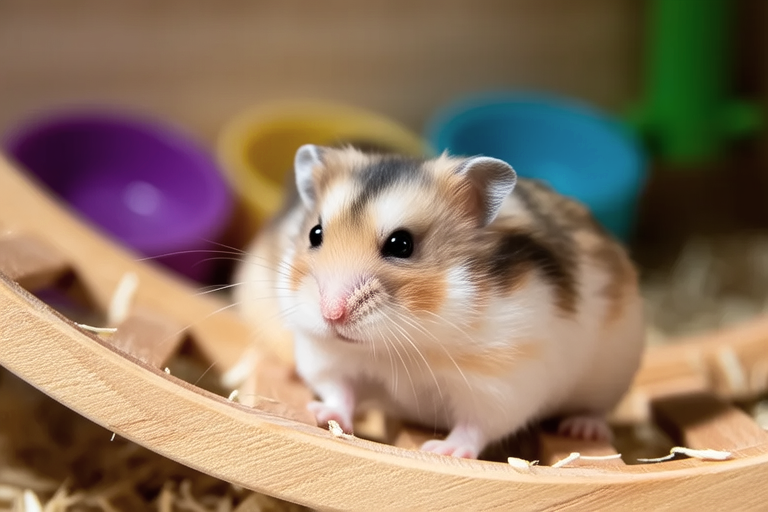
Roborovski dwarf hamsters possess several unique physical traits that set them apart from other hamster species. One of the most striking features is their white fur around the eyes, which gives them a distinctive appearance. They also have a light-colored belly and a sandy brown back. Their small ears and dark eyes contribute to their charming look. Some individuals may exhibit slight variations in coloration, adding to their uniqueness. Recognizing these physical traits helps in identifying and appreciating the beauty of Roborovski dwarf hamsters.
Practical Advice for Caring for Roborovski Dwarf Hamsters
When caring for Roborovski dwarf hamsters, it’s essential to consider their unique traits. Providing a spacious and enriched environment, a balanced diet, and regular veterinary check-ups are key to ensuring their well-being. Additionally, handling them gently and understanding their social and behavioral needs will foster a strong bond between you and your pet. By addressing their specific requirements, you can enjoy the delightful companionship of these playful and intriguing little creatures.
