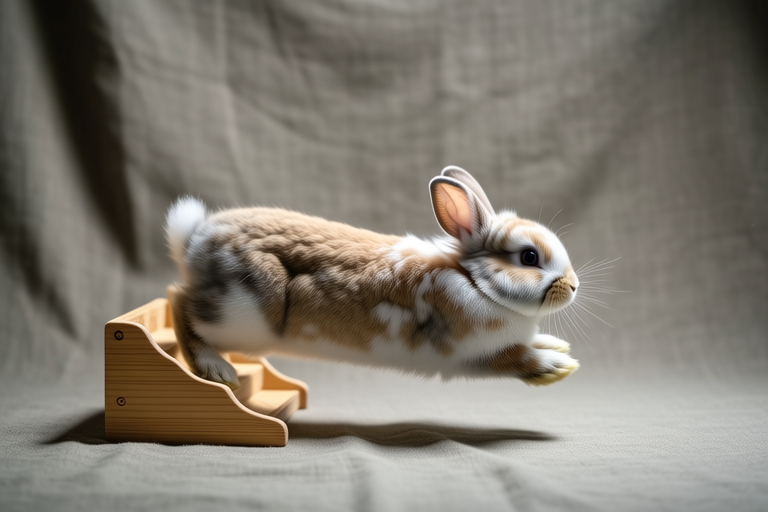
From Hopping to Napping: Life with a Dutch Dwarf Rabbit
Welcome to the world of Dutch Dwarf Rabbits! These adorable creatures are not only charming but also come with a unique set of characteristics that make them stand out among other rabbit breeds. With their small size, gentle temperament, and striking appearance, Dutch Dwarf Rabbits have captured the hearts of many pet lovers. In this article, we’ll explore what it’s like to live with a Dutch Dwarf Rabbit, from their daily routines to health care and everything in between.
The Unique Characteristics of Dutch Dwarf Rabbits
Dutch Dwarf Rabbits are a breed that combines charm and elegance with practicality. Their most notable feature is their diminutive size; they typically weigh around 2 to 3 pounds, making them one of the smallest rabbit breeds. This compact size makes them ideal for apartment living or for those who may not have ample space for larger animals.
In terms of appearance, Dutch Dwarfs are known for their distinct coat patterns. They usually sport a white body with contrasting colors on their ears, head, and feet. The most common color combinations include black, blue, chocolate, and lilac. Their short, dense fur adds to their cute and cuddly appeal. These rabbits have round faces and large, expressive eyes that give them an almost perpetually curious look.
Beyond their physical traits, Dutch Dwarfs are celebrated for their docile and friendly temperament. They are generally easy to handle and often enjoy interacting with humans. However, due to their small size, they can be more delicate than larger breeds, so it’s important to handle them gently and with care.
Daily Life with a Dutch Dwarf Rabbit
Owning a Dutch Dwarf Rabbit involves providing them with a balanced diet, regular exercise, and proper grooming. Let’s delve into each aspect to understand how best to care for these delightful creatures.
Diet and Nutrition
A healthy diet is crucial for the well-being of your Dutch Dwarf Rabbit. Their main food should consist of hay, which is essential for maintaining good digestive health. Timothy hay is a popular choice, but you can also offer orchard grass hay. Fresh vegetables should make up about 10% of their diet, with options like carrots, spinach, and broccoli being safe choices. Always introduce new foods gradually to avoid digestive upset.
In addition to hay and vegetables, Dutch Dwarfs require a small amount of high-quality pellets formulated specifically for rabbits. Pellets provide necessary nutrients, but they should be given in moderation as overfeeding can lead to obesity. Treats such as fruits or commercial rabbit treats should be offered sparingly, as they are high in sugar and can cause weight gain.
Exercise Needs
Despite their small size, Dutch Dwarfs need plenty of exercise to stay healthy and happy. Providing a spacious indoor enclosure or a secure outdoor run is essential. Indoor enclosures should be at least 4 feet long, 2 feet wide, and 2 feet high to allow for sufficient movement. Outdoor runs should be predator-proof and escape-proof, with a solid roof to protect against birds of prey.
Supplement their cage time with supervised play sessions outside their enclosure. Rabbits love to hop and explore, so setting up tunnels or cardboard boxes can provide them with mental stimulation. Remember, Dutch Dwarfs are curious and may try to chew on anything within reach, so keep electrical cords and toxic plants out of their reach.
Grooming Routines
Dutch Dwarfs have short, dense coats that require minimal grooming. Brushing them weekly with a soft bristle brush helps remove loose hair and prevents matting. During shedding seasons, especially spring and fall, more frequent brushing may be necessary. Bathing is generally not recommended unless absolutely necessary, as it can stress the rabbit and strip their natural oils.
Regular nail trimming is also part of grooming. Use a pair of rabbit-specific nail clippers or human nail clippers designed for children. Be careful not to cut the quick, which contains blood vessels and nerves. If you’re unsure, consult a veterinarian for guidance.
Setting Up a Suitable Living Environment
To ensure your Dutch Dwarf Rabbit thrives, creating a comfortable and safe living space is paramount. Start by selecting a spacious cage that allows ample room for movement and includes multiple levels if possible. Line the bottom with absorbent bedding like paper-based products or recycled newspaper. Avoid cedar and pine shavings as they can irritate a rabbit’s respiratory system.
Provide your rabbit with a variety of toys and accessories to keep them entertained. Chew toys made from untreated wood or willow branches help satisfy their natural urge to gnaw. Cardboard boxes, tunnels, and hideaways offer opportunities for exploration and relaxation. A litter box with rabbit-safe litter placed in one corner of the cage encourages potty training.
Temperature control is another consideration. Dutch Dwarfs prefer moderate temperatures and may struggle in extreme heat or cold. Ensure their living area remains cool during summer months and warm during winter. A heating pad or ceramic heater can provide extra warmth during colder periods.
Bonding with Your Dutch Dwarf Rabbit
Building a strong bond with your Dutch Dwarf Rabbit takes time and patience. Begin by spending quiet time near their enclosure, allowing them to become accustomed to your presence. Gradually introduce hand feeding, offering treats while speaking softly and calmly. Once they feel comfortable, you can start handling them gently.
Rabbits communicate through body language and vocalizations. Understanding these cues can enhance your relationship. For example, a relaxed posture with ears forward indicates contentment, while flattened ears may signal fear or discomfort. Spend quality time with your rabbit every day, engaging in activities they enjoy, and always respect their boundaries.
Common Health Issues and Well-being
Like all pets, Dutch Dwarf Rabbits are prone to certain health issues. One common problem is dental disease, which can result from improper diet or genetics. Regular check-ups with a veterinarian specializing in exotic animals can help catch potential issues early. Signs of dental problems include drooling, difficulty eating, or swollen cheeks.
Another concern is gastrointestinal stasis, where the digestive tract slows down or stops functioning. This condition can be triggered by stress, poor diet, or lack of exercise. Ensuring a balanced diet, providing ample opportunities for movement, and maintaining a calm environment can help prevent this issue.
Regular veterinary care is essential for the overall well-being of your Dutch Dwarf Rabbit. Schedule routine check-ups, vaccinations, and dental cleanings as recommended by your vet. Being proactive about their health ensures they live a long and happy life.
Joy and Challenges of Living with a Dutch Dwarf Rabbit
Living with a Dutch Dwarf Rabbit brings numerous joys and challenges. Watching them hop around their enclosure or burrow into their cozy hideaway provides endless entertainment. Their playful nature and affectionate behavior make them wonderful companions.
However, owning a rabbit also requires commitment and responsibility. Providing proper care, addressing health concerns promptly, and ensuring a safe living environment are just some of the responsibilities involved. Despite the challenges, the rewards of sharing your home with a Dutch Dwarf Rabbit far outweigh the effort.
One memorable experience was when my Dutch Dwarf Rabbit, named Buttons, surprised me by hopping onto my lap during a quiet evening. His gentle nuzzles and soft purring-like sounds filled me with joy. Moments like these remind us why these little creatures bring so much happiness into our lives.
Another challenge I faced was potty training. Initially, Buttons had accidents outside his litter box, but with persistence and positive reinforcement, he eventually learned where to go. Patience and consistency are key in overcoming such hurdles.
Conclusion
From hopping to napping, life with a Dutch Dwarf Rabbit is a journey filled with love, laughter, and learning. Their unique characteristics, combined with their gentle nature, make them beloved pets. By understanding their dietary needs, exercise requirements, and grooming routines, you can provide them with a fulfilling and healthy life. Creating a suitable living environment and taking steps to build a strong bond will deepen the connection between you and your furry friend. With proper care and attention, Dutch Dwarf Rabbits can bring years of companionship and joy to your household.
