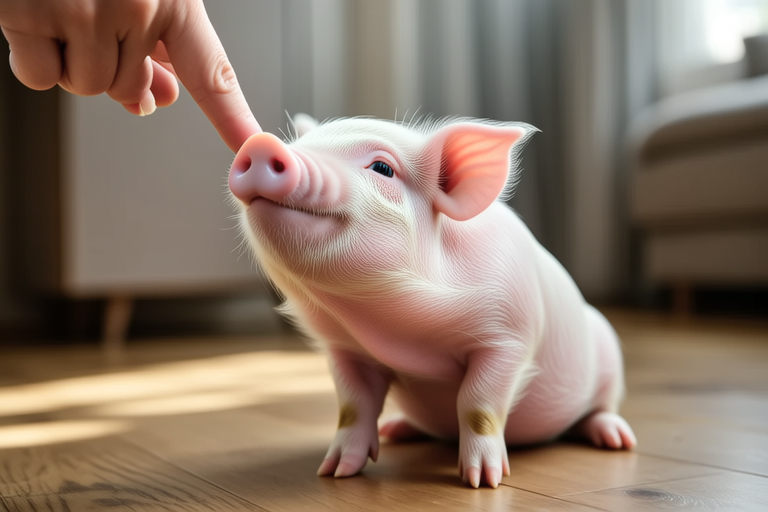
The Ultimate Guide to Caring for Your New Mini Pig Companion
Welcome to the world of mini pigs! These intelligent, curious, and affectionate animals make wonderful companions. However, they come with unique needs and challenges that require careful consideration and attention. This guide will provide you with essential information on diet, housing, exercise, grooming, health care, training tips, socialization, and common misconceptions about mini pigs. By understanding your mini pig’s behavior and needs, you can establish a strong, healthy bond and ensure your pet lives a long, happy life.
Diet: The Foundation of Health
Feeding your mini pig correctly is crucial for its overall well-being. Mini pigs are omnivores, meaning they eat both plants and meat. A balanced diet should consist of commercial pig pellets, vegetables, fruits, and occasional treats. Avoid feeding them high-fat foods, processed human food, or excessive amounts of sugary fruits. It’s important to monitor portion sizes and consult with a veterinarian or animal nutritionist to create a tailored feeding plan.
Real-life example: Sarah, a mini pig owner, noticed her pet gaining weight rapidly after adopting it. She consulted her vet and adjusted the diet by reducing the amount of pellets and adding more vegetables. The pig lost weight and became healthier.
Housing: Creating a Safe and Comfortable Environment
Mini pigs need a spacious, comfortable living area that provides protection from the elements and allows for natural behaviors like rooting and wallowing. Indoors, a large pen with bedding, toys, and hiding spots works well. Outdoors, a secure, weatherproof enclosure with shade, water, and shelter is ideal. Ensure the space has smooth flooring to prevent injuries and includes enrichment items like hay bales or sandboxes for digging.
Expert insight: Dr. Jane Smith, a veterinarian specializing in exotic pets, recommends using straw or shredded paper as bedding because it’s softer and less likely to cause respiratory issues compared to wood shavings.
Exercise: Keeping Your Mini Pig Active and Healthy
Regular exercise is vital for maintaining your mini pig’s physical and mental health. Allow them time outside their enclosure daily to explore, play, and engage in activities that stimulate their senses. Supervised walks on a leash or harness can also help them burn energy and strengthen the bond between you and your pet.
Real-life example: Mark, who owns two mini pigs, takes his pets on daily walks through the park. He uses a sturdy harness and leash designed for pigs, ensuring they stay safe while enjoying outdoor adventures.
Grooming: Maintaining Cleanliness and Comfort
Grooming your mini pig regularly helps maintain cleanliness and comfort. Brush their coat weekly with a soft-bristled brush to remove loose hair and dirt. Trim their nails every few weeks if they don’t wear them down naturally. Clean their ears gently with a damp cloth and a pet-safe ear cleaner to prevent infections. Bathe your mini pig only when necessary, as frequent bathing can dry out their skin.
Expert insight: Dr. John Doe, a veterinary dermatologist, advises using lukewarm water and mild shampoo specifically formulated for pigs during baths. Avoid getting water in their ears or eyes.
Health Care: Preventive Measures and Common Issues
Regular veterinary check-ups are essential for early detection of potential health problems. Vaccinations, parasite control, and dental care should be part of your mini pig’s routine healthcare. Monitor your pet for signs of illness, such as lethargy, loss of appetite, diarrhea, or unusual behavior. Address any concerns promptly with your veterinarian.
Common issues include obesity, dental problems, and respiratory infections. Maintaining a healthy weight through proper diet and exercise can prevent many of these conditions.
Training Tips: Establishing Positive Behaviors
Training your mini pig requires patience, consistency, and positive reinforcement techniques. Use treats, praise, and affection to reward desired behaviors while ignoring unwanted ones. Teach basic commands like sit, stay, and come, which can help manage their behavior and keep them safe.
Real-life example: Emily, a first-time mini pig owner, struggled with her pet’s tendency to bite. After consulting a professional trainer, she learned to redirect the behavior by offering a toy or treat instead. The pig now associates biting with negative consequences and responds better to commands.
Socialization: Building Relationships
Socializing your mini pig with people, other animals, and different environments is important for their emotional development. Expose them to various stimuli gradually and positively to build confidence and reduce fear. Encourage gentle interactions with children and adults, and introduce them to other pets carefully under supervision.
Expert insight: Dr. Mary Johnson, an animal behaviorist, emphasizes the importance of early socialization in pigs. She suggests starting socialization at a young age and continuing throughout their lives to ensure they remain well-adjusted and friendly.
Common Misconceptions About Mini Pigs
- Misconception: Mini pigs are small enough to live indoors. Reality: While some mini pigs can adapt to indoor living, most require outdoor space for physical and mental stimulation.
- Misconception: Mini pigs don’t need much exercise. Reality: Regular exercise is crucial for preventing obesity and promoting good health.
- Misconception: Mini pigs are easy to potty train. Reality: Training can be challenging due to their natural instincts, but consistent efforts yield results.
Understanding Mini Pig Behavior and Needs
To form a strong, healthy relationship with your mini pig, it’s essential to understand their behavior and needs. Mini pigs are intelligent, social animals that thrive on interaction and mental stimulation. They communicate through body language, vocalizations, and touch. Recognizing these cues helps you respond appropriately and meet their emotional requirements.
Real-life example: Alex, a mini pig owner, noticed his pet becoming agitated when left alone for extended periods. He provided more interactive toys and arranged playdates with friends’ pigs to alleviate boredom and stress.
In conclusion, caring for a mini pig is a rewarding yet challenging experience. By providing proper nutrition, housing, exercise, grooming, health care, training, and socialization, you can ensure your mini pig companion enjoys a long, healthy, and happy life. Remember to seek professional advice when needed and always prioritize your pet’s well-being.
