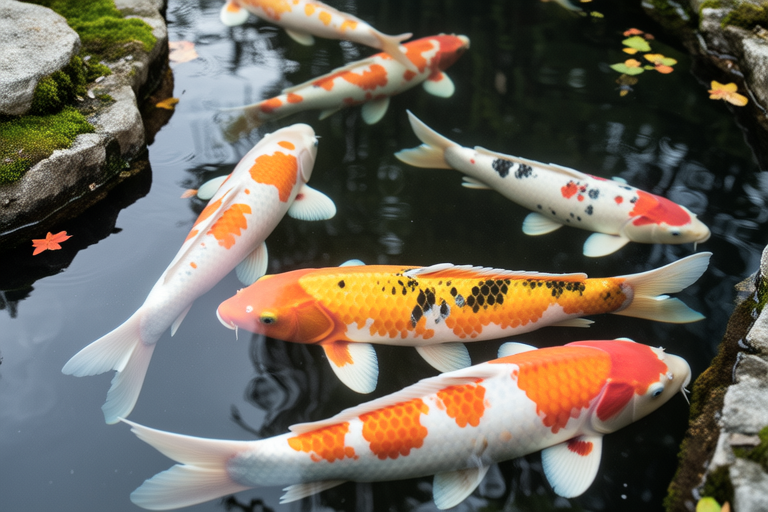
Secret Tips for Raising Healthy and Colorful Koi at Home
Welcome to the fascinating world of koi keeping! Raising healthy and colorful koi at home can be a rewarding and enjoyable hobby. Whether you’re a beginner or an experienced enthusiast, this guide will provide you with secret tips to ensure your koi thrive in their aquatic paradise.
Optimal Pond Setup
The first step in raising healthy and colorful koi is creating the perfect pond environment. The size of your pond will depend on the number of koi you plan to keep, but a general rule of thumb is one square meter of surface area per 30 cm (12 inches) of fish. A well-designed pond should have a gradual slope, allowing debris to settle at the bottom, and include both shallow and deep areas.
Integrate plants into your pond design as they help maintain water quality by absorbing nutrients and providing oxygen. Choose hardy aquatic plants like water lilies and lotus that can withstand the movements of active koi. Additionally, consider incorporating a variety of rocks and driftwood to create hiding spots and resting areas for your fish.
For filtration, opt for a biological filter that uses beneficial bacteria to break down harmful waste products. Regularly clean the filter and perform partial water changes to maintain optimal water conditions. Aeration is also crucial; consider adding a fountain or waterfall to increase oxygen levels and create gentle water movement.
Water Quality Maintenance
Water quality is paramount for the health and coloration of your koi. Maintaining the right balance of pH, ammonia, nitrite, and nitrate levels ensures a stable and hospitable environment. Test your water regularly using a reliable test kit, and adjust as necessary to keep parameters within acceptable ranges.
Aim for a pH between 7.2 and 8.0, which mimics the slightly alkaline conditions found in natural koi habitats. Keep ammonia and nitrite levels at zero, and maintain nitrate concentrations below 50 ppm. Regular water changes, proper feeding, and efficient filtration systems are key to achieving these goals.
To further enhance water quality, consider adding natural additives such as barley straw extract. This organic method helps control algae growth without harming your fish or plants. Barley straw works by releasing hydrogen peroxide as it decomposes, effectively inhibiting the reproduction of algae cells.
Suitable Diet for Vibrant Coloration
Feeding your koi a balanced and nutritious diet is essential for maintaining their health and promoting vibrant coloration. A high-quality koi food formulated specifically for their nutritional needs should form the foundation of their diet. Look for foods rich in protein, fats, and carbohydrates, as well as those containing carotenoids, which contribute to the brilliant colors of koi.
In addition to commercial koi food, offer occasional treats like fresh vegetables, fruits, and insects. Leafy greens such as spinach, lettuce, and kale are excellent sources of vitamins and minerals. Small amounts of fruit like bananas, apples, and berries can also be beneficial. Be cautious with the amount of fruit given, as too much sugar can lead to digestive issues.
Feed your koi several small meals daily during warmer months when they are more active. Reduce feedings during colder periods when their metabolism slows down. Always remove any uneaten food after five minutes to prevent pollution and maintain water quality.
Common Health Issues and Prevention
Despite your best efforts, koi may still encounter health problems. Early detection and prompt treatment are crucial for recovery. Common ailments include fin rot, fungal infections, and parasites. Fin rot is characterized by frayed or disintegrating fins and can be treated with antifungal medications. Fungal infections often appear as white patches on the skin and can be addressed using antifungal treatments.
Parasites, such as ich (ick), can cause white spots on the body and gills. Ich thrives in cooler temperatures, so maintaining consistent water temperatures above 70°F (21°C) can help prevent outbreaks. If an infestation occurs, raise the temperature to 82°F (28°C) for three days to speed up the parasite’s life cycle and make them more susceptible to treatment.
To prevent health issues, quarantine new arrivals for at least two weeks before introducing them to your main pond. This allows you to monitor their health and treat any potential problems early. Regular water changes, proper filtration, and a balanced diet are also vital in maintaining overall fish health.
Tips for Creating a Stress-Free Environment
A stress-free environment is essential for the well-being and longevity of your koi. Minimize disturbances by placing your pond away from high-traffic areas and noisy surroundings. Use a dark liner to help koi feel secure and reduce stress caused by bright sunlight. Provide ample shade through floating plants, trees, or artificial structures to create a comfortable habitat.
Establish a routine for feeding and maintenance tasks to minimize disruptions. Avoid sudden changes in water chemistry or temperature, as these can cause undue stress. Introduce new fish gradually and acclimate them to their new environment over several hours.
Consider installing a UV sterilizer to control algae and parasites without the need for chemical treatments. These devices use ultraviolet light to kill microorganisms, making them an eco-friendly alternative to traditional methods.
Natural, Sustainable Practices
Incorporating natural, sustainable practices into your koi-keeping routine benefits both your fish and the environment. Use native plants and flowers around your pond to attract beneficial insects and wildlife. Encourage biodiversity by planting a variety of species that support pollinators and other animals.
Recycle water from your pond to irrigate garden beds, reducing water usage and conserving resources. Consider implementing rainwater harvesting systems to collect and store rainwater for future use in your pond.
Lastly, embrace the philosophy of minimal intervention. Allow nature to take its course whenever possible, trusting in the resilience of your koi and the self-regulating properties of ecosystems.
By following these secret tips, you’ll be well on your way to raising healthy and colorful koi at home. Remember, patience and attention to detail are key components of successful koi keeping. Enjoy the journey and the beauty of these magnificent creatures.
