Hotot Rabbits: From Farmyard to Furry Friends
Welcome to the fascinating world of Hotot rabbits! These charming creatures have captured the hearts of many pet owners with their unique appearance and delightful personalities. Originating from farmyards, these rabbits have undergone a remarkable transformation into beloved pets. In this article, we will delve into the history, physical characteristics, behavior, and care tips for Hotot rabbits. We’ll also address some common myths and misconceptions surrounding this breed.
The Origins of Hotot Rabbits
The story of Hotot rabbits begins in the early 20th century, specifically in France. This breed was developed by Eugène Étancelin, who sought to create a rabbit with striking white fur and distinct black markings around its eyes. Etancelin’s vision was to produce a rabbit that would be both aesthetically pleasing and commercially viable for farmers. Over several years of selective breeding, he managed to achieve his goal, creating the Hotot as we know it today.
Initially, Hotots were primarily raised for their meat and fur. Their compact size made them ideal for small-scale farming, and their distinctive appearance quickly caught the attention of both farmers and consumers. However, as interest in rabbit shows and pet ownership grew, the Hotot rabbit began to find its place in homes rather than just on farms.
Distinguishing Physical Characteristics
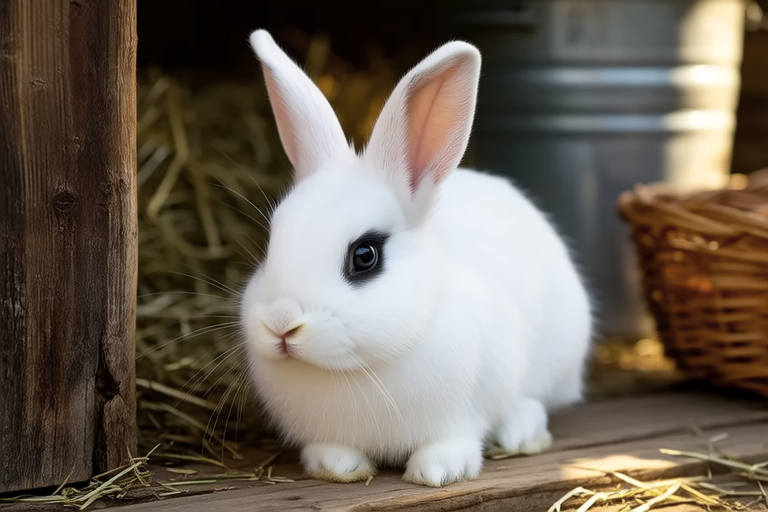
One of the most striking features of Hotot rabbits is their pure white coat. This snow-white fur contrasts beautifully with their signature black eye bands, which give them a look reminiscent of spectacles. The eye bands are narrow and perfectly symmetrical, encircling the eyes like a delicate frame. This unique marking is what sets Hotots apart from other breeds and makes them instantly recognizable.
In addition to their eye-catching appearance, Hotot rabbits have a robust yet compact build. They typically weigh between 3.6 and 4.5 kg (8 to 10 pounds), making them medium-sized rabbits suitable for both indoor and outdoor living. Their short, dense fur requires minimal grooming, but regular brushing can help maintain its sleek appearance.
Hotots come in two recognized varieties: standard and mini. The standard Hotot is the original breed, while the mini Hotot was developed later to cater to those seeking a smaller companion. Mini Hotots are slightly smaller than their standard counterparts but share the same distinctive markings and personality traits.
Behavior and Temperament
Hotot rabbits are known for their friendly and sociable nature. They tend to be gentle and affectionate, often forming strong bonds with their human caregivers. Many owners report that Hotots enjoy being handled and will even seek out attention from their owners. This makes them excellent companions for families and individuals alike.
Despite their docile demeanor, Hotots are also curious and playful. They love to explore their surroundings and can be quite active, especially when given enough space to move around. Providing toys and enrichment activities can help keep them mentally stimulated and prevent boredom-related behaviors such as chewing or digging.
Like all rabbits, Hotots are prey animals and may exhibit signs of stress if they feel threatened. It’s important to provide them with a safe and secure environment where they can feel comfortable and at ease. Regular interaction and positive reinforcement training can help build trust and reduce anxiety.
Care Tips for Hotot Rabbits
Proper care is essential for ensuring your Hotot rabbit remains healthy and happy. Here are some key tips to keep in mind:
- Living Space: Hotots need a spacious living area that allows them to move freely. For indoor rabbits, a large cage or enclosure with ample room to stretch and play is recommended. Outdoor hutches should be weatherproof and provide protection from predators.
- Diet: A balanced diet is crucial for maintaining your rabbit’s health. Offer fresh hay as the main component of their diet, supplemented with high-quality pellets and a variety of fresh vegetables. Avoid feeding them excessive amounts of fruits or sugary treats, as these can lead to digestive issues.
- Grooming: While Hotots’ short fur requires less maintenance compared to long-haired breeds, regular brushing can help remove loose hairs and prevent matting. Additionally, checking their nails regularly and trimming them if necessary can prevent overgrowth and discomfort.
- Veterinary Care: Regular check-ups with a veterinarian experienced in rabbit care can help catch potential health issues early. Vaccinations, parasite control, and dental examinations are all important aspects of preventive healthcare for rabbits.
Popular Myths and Misconceptions
As with any popular breed, there are several myths and misconceptions surrounding Hotot rabbits. Let’s address some of the most common ones:
- Myth: Hotots are difficult to care for. Reality: While every rabbit has its own unique needs, Hotots are generally easy to care for with proper attention to their dietary and environmental requirements. With a bit of knowledge and effort, keeping a Hotot rabbit can be a rewarding experience.
- Myth: All white rabbits are albino. Reality: Not all white rabbits are albino. Albino rabbits lack pigment in their skin, eyes, and fur, resulting in pink eyes and pale skin. Hotots, on the other hand, have normal pigmentation and dark eyes.
- Myth: Rabbits are low-maintenance pets. Reality: While rabbits may seem simple to care for, they require daily attention, a nutritious diet, and a stimulating environment. Neglecting these basic needs can lead to health problems and behavioral issues.
A Journey from Farmyard to Pet
The transition of Hotot rabbits from farmyard animals to cherished pets is a testament to their versatility and appeal. As more people discovered the joys of rabbit ownership, Hotots became increasingly popular as companion animals. Today, they are celebrated not only for their distinctive appearance but also for their loving nature and adaptability.
Whether you’re an experienced rabbit owner or considering adopting your first furry friend, Hotot rabbits offer a unique combination of beauty and charm. By understanding their origins, physical characteristics, and care requirements, you can provide them with the best possible life as cherished members of your family.
We hope this guide has provided you with valuable insights into the world of Hotot rabbits. If you’re interested in learning more about these delightful creatures or exploring other rabbit breeds, there are numerous resources available online and through local rabbit clubs and organizations. Happy rabbit parenting!
