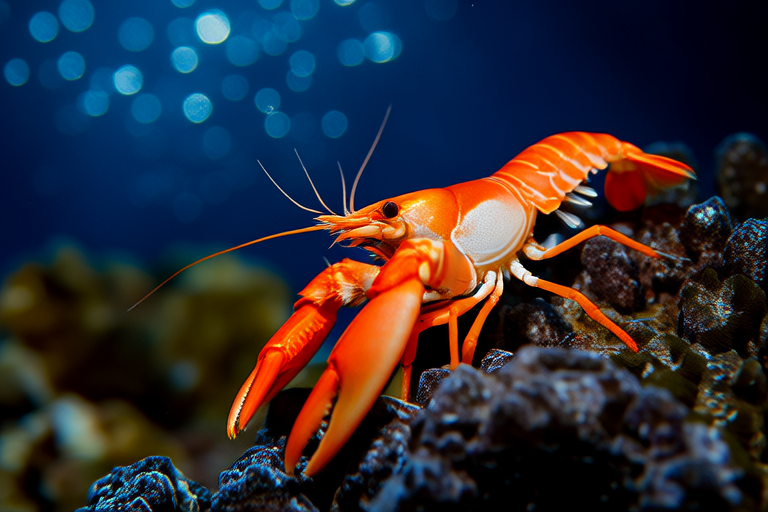
From Ocean Depths to Home Tanks: A Beginner’s Guide to Coral Shrimp
The Natural Habitat and Behavior of Coral Shrimp
Coral shrimp, also known as cleaner shrimp, are fascinating creatures that inhabit various marine environments across the world’s oceans. They are found in shallow waters near coral reefs, rocky shores, and mangrove swamps. These areas provide an abundant food source and protection from predators. Coral shrimp play a crucial role in the ecosystem by cleaning parasites off larger fish, a behavior known as mutualism.
In their natural habitat, these shrimp are active during the day, often seen darting around coral heads and rocky crevices. Their vibrant colors, ranging from bright red to translucent blue, make them stand out against the backdrop of the ocean floor. Despite their small size, they are highly efficient at maintaining the cleanliness of their environment.
Species Suitable for Home Aquariums
Several species of coral shrimp are well-suited for home aquariums. Among the most popular are the Scarlet Cleaner Shrimp (Lysmata amboinensis), the Blood Red Fire Shrimp (Lysmata debelius), and the Candy Cane Shrimp (Periclimenes tanypleurus). Each species has its unique characteristics, making them attractive choices for aquarists.
- Scarlet Cleaner Shrimp: Known for its bright red coloration, this shrimp is a great addition to any reef tank. It thrives in temperatures between 72-82°F and prefers a pH level of 8.1-8.4.
- Blood Red Fire Shrimp: This species is more challenging to care for but offers stunning red hues. It requires a stable environment with a temperature range of 75-80°F and a pH level of 8.1-8.4.
- Candy Cane Shrimp: With its distinctive black and white stripes, this shrimp is visually appealing. It does best in a temperature range of 74-79°F and a pH level of 8.1-8.3.
Care Requirements for Coral Shrimp
Water Parameters
Maintaining optimal water conditions is crucial for the health of coral shrimp. The ideal temperature range for most species is 72-82°F, with a salinity level of 1.020-1.025 specific gravity. The pH level should be kept between 8.1 and 8.4 to ensure the shrimp thrive.
Diet
Coral shrimp are omnivorous, meaning they consume both plant and animal matter. In the wild, they feed on algae, detritus, and small organisms. In captivity, it is essential to provide a varied diet. Commercial shrimp pellets, blanched vegetables, and occasional meaty foods such as brine shrimp or mysis can be offered. Avoid overfeeding, as excess food can lead to poor water quality.
Tank Mates Compatibility
Choosing compatible tank mates is vital for the well-being of coral shrimp. They generally coexist peacefully with most peaceful fish and invertebrates. However, they may be aggressive towards other shrimp species, especially if space is limited. It’s advisable to introduce coral shrimp gradually to avoid stress and potential aggression.
Setting Up a Shrimp-Friendly Tank
Filtration
Effective filtration is key to maintaining a healthy shrimp tank. A combination of mechanical, chemical, and biological filtration ensures clean water. Mechanical filters remove large debris, while chemical filters absorb toxins and odors. Biological filters support beneficial bacteria that break down harmful substances. Regular maintenance of the filter system prevents the buildup of harmful elements.
Lighting
Proper lighting enhances the beauty of your shrimp and promotes the growth of algae and corals. LED lights are highly recommended due to their energy efficiency and customizable settings. Aim for 8-10 hours of light per day, simulating a natural day-night cycle. Be cautious with high-intensity lights, as they can increase water temperature and stress the shrimp.
Decor and Substrate
Creating a comfortable environment for your shrimp involves thoughtful decoration. Incorporate live rock and coral structures that offer hiding spots and grazing areas. Fine-grained substrates like crushed coral or aragonite are ideal, providing a natural substrate for the shrimp to burrow into. Avoid sharp objects that could injure the shrimp.
Feeding and Maintaining Optimal Health
Consistent feeding and regular water changes are essential for maintaining the health of your coral shrimp. Feed them small amounts several times a week, ensuring they consume all the food within 15 minutes. Perform weekly water changes of about 10-20% to maintain water quality. Monitor the shrimp’s behavior and appearance regularly; any signs of lethargy, discoloration, or unusual behavior should prompt immediate action.
Common Challenges and Solutions
Beginners often encounter challenges when keeping coral shrimp. Some common issues include aggression among shrimp, poor water quality, and difficulty in feeding. To address aggression, ensure there is ample space and hiding spots for each shrimp. For water quality issues, invest in high-quality filtration and perform regular water changes. Feeding can be tricky; try different types of food and feeding methods to find what works best for your shrimp.
