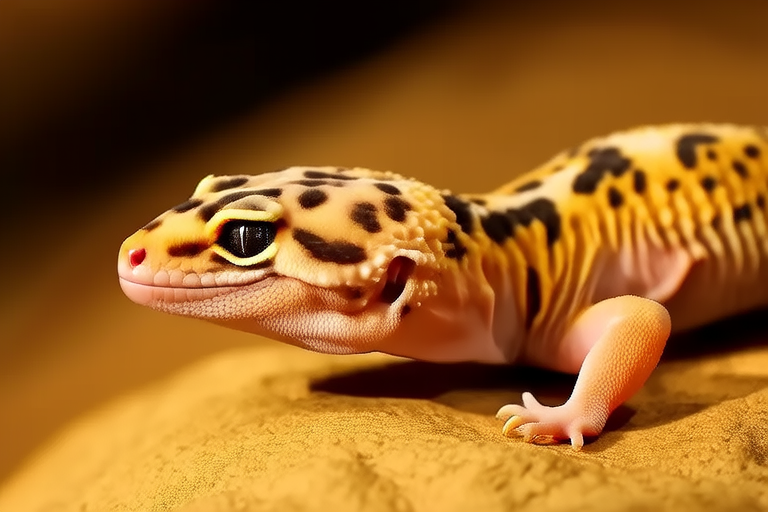
Leopard Gecko Care Guide: Tips for Happy and Healthy Pets
Welcome to your comprehensive Leopard Gecko Care Guide! Leopard Geckos are popular reptile pets known for their docile nature and ease of care. This guide will provide you with all the necessary information to ensure your Leopard Gecko lives a long, healthy, and happy life.
Habitat Setup
The first step in providing excellent care for your Leopard Gecko is setting up a proper habitat. A glass tank or terrarium is recommended, as it allows for better viewing and control over environmental conditions. The size of the enclosure should be appropriate for the size of your gecko. For a single adult, a 10-gallon tank is usually sufficient, but larger enclosures can accommodate multiple geckos or additional features.
Substrate is an important aspect of the habitat. Avoid substrates like sand or gravel, which can lead to impaction if ingested. Instead, opt for paper towels, reptile carpet, or eco-friendly bedding. These options are safe, easy to clean, and promote good hygiene.
Provide hiding spots within the enclosure to mimic the natural environment of Leopard Geckos. These can include caves, tunnels, or even simple cardboard boxes. Hiding spots offer security and help reduce stress. Additionally, include a shallow water dish for drinking and soaking. Make sure to change the water daily to maintain cleanliness.
Temperature and Humidity Requirements
Leopard Geckos require a specific temperature gradient within their enclosure to regulate their body temperature. The warm side of the tank should be around 88-90°F (31-32°C), while the cool side should be about 75-80°F (24-27°C). Use a reliable thermometer to monitor these temperatures accurately.
A heat source such as an under-tank heater or ceramic heat emitter is necessary to achieve the desired warmth. Position this heat source on one side of the enclosure to create the temperature gradient. Always ensure that the heat source does not come into direct contact with the gecko to prevent burns.
Humidity levels should be maintained between 30% and 40%. Leopard Geckos absorb moisture through their skin, so too much humidity can lead to respiratory infections. On the other hand, low humidity can cause shedding issues. To control humidity, you can mist the enclosure lightly once or twice a week and provide a humid hide box filled with moist sphagnum moss.
Diet Specifics
Leopard Geckos are insectivores, meaning their diet consists primarily of insects. Crickets, mealworms, dubia roaches, and waxworms are common choices. It’s important to feed your gecko a varied diet to ensure they receive all necessary nutrients. Feed juveniles daily, while adults can be fed every two to three days.
All feeder insects should be gut-loaded, meaning they are fed a nutritious diet before being offered to your gecko. This ensures that the insects themselves are rich in vitamins and minerals. Additionally, dust the insects with a calcium supplement without vitamin D3 every other feeding, and with a multivitamin containing vitamin D3 once a week. Over-supplementation can be harmful, so always follow the product instructions carefully.
Water is crucial for hydration. Provide a shallow water dish that your gecko can easily access and change it daily to keep it fresh.
Handling Tips
Leopard Geckos are generally calm and docile, making them ideal pets for handling. However, it’s important to handle them gently and correctly to avoid causing stress or injury. Start by allowing your gecko to become accustomed to your presence before attempting to handle them. Let them sniff your hands and get used to your scent.
When picking up your gecko, support their entire body. Gently scoop them up from underneath, supporting their torso and tail. Avoid pinching or squeezing, and never pick them up by the tail, as Leopard Geckos can drop their tails as a defense mechanism.
Handle your gecko regularly to build trust and confidence. However, limit handling sessions to 15-20 minutes at a time, especially for younger geckos. Always wash your hands before and after handling to maintain hygiene and prevent the spread of germs.
Health Concerns
Regular health checks are essential to ensure your Leopard Gecko remains in top condition. Look out for signs of illness such as lethargy, loss of appetite, difficulty breathing, or changes in stool consistency. If you notice any concerning symptoms, consult a veterinarian specializing in reptiles immediately.
One common health issue in Leopard Geckos is metabolic bone disease (MBD), caused by calcium deficiency. Symptoms include softening of the bones, tremors, and difficulty moving. Ensuring proper supplementation and a balanced diet can help prevent MBD.
Respiratory infections can occur if the humidity is too high or if your gecko becomes stressed. Signs include wheezing, open-mouth breathing, and mucus discharge. Maintaining the correct humidity levels and reducing stress are key to preventing respiratory infections.
Regular Care Routines
Maintaining a regular cleaning schedule is vital for the health and happiness of your Leopard Gecko. Spot-clean the enclosure daily, removing any uneaten food or waste. Deep clean the enclosure every few weeks, including disinfecting all surfaces and replacing substrate.
Monitor the temperature and humidity levels daily to ensure they remain within the recommended ranges. Check the water dish regularly and refill it as needed. Regularly inspect the hides and decorations for any signs of wear or damage that could harm your gecko.
Pay attention to your gecko’s behavior and appearance during feeding times. A healthy gecko will have a strong appetite and actively hunt for its food. If your gecko shows no interest in eating, there may be an underlying health issue that requires veterinary attention.
Lastly, consider having your gecko examined by a reptile veterinarian annually. Routine check-ups can help catch potential health issues early and ensure your pet receives optimal care.
Conclusion
By following the guidelines outlined in this Leopard Gecko Care Guide, you can provide your pet with a comfortable, stimulating environment that promotes longevity and well-being. Remember, each gecko is unique, so pay close attention to their individual needs and adjust their care accordingly. With proper attention and care, your Leopard Gecko can thrive and bring joy for many years to come.
