The Wonders of Parrot Fish: Guardians of Coral Reefs
Parrot fish are among the most captivating creatures of the ocean, known for their vibrant colors and peculiar feeding habits. These fish play a crucial role in maintaining the health of coral reefs, contributing significantly to marine biodiversity. This article delves into the unique characteristics, behaviors, and ecological roles of parrot fish, shedding light on lesser-known aspects of their lives and the challenges they face.
A Vivid Palette of Colors
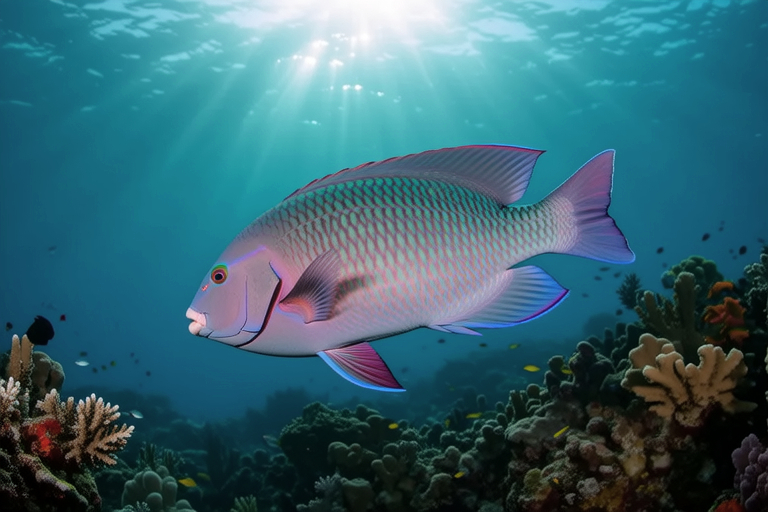
One of the first things that strike any observer is the dazzling array of colors exhibited by parrot fish. Their bodies are often adorned with shades of blue, green, yellow, and red, making them stand out in the underwater world. These colors serve multiple purposes, from camouflage to attracting mates. As parrot fish age, their appearance can change dramatically, sometimes even altering their gender. For instance, many species of parrot fish begin life as females but may transition into males as they mature. This phenomenon, known as sequential hermaphroditism, is fascinating and underscores the complexity of marine life.
Feeding Habits: The Role of Teeth
Parrot fish have evolved specialized teeth arranged in rows that resemble a parrot’s beak, hence their name. These teeth allow them to scrape algae and small organisms off coral reefs. In doing so, they help prevent the overgrowth of algae, which could otherwise smother and kill the coral polyps. This feeding behavior is essential for the maintenance of healthy coral reefs. Moreover, parrot fish consume coral skeletons, which pass through their digestive systems and are excreted as fine sand. This process contributes significantly to the formation of beaches in tropical areas, thus playing a vital role in coastal ecosystems.
Ecological Roles: Maintaining Biodiversity
Parrot fish contribute to biodiversity in several ways. By controlling algae growth, they ensure that coral reefs remain hospitable for a wide variety of marine species. Healthy coral reefs support a vast array of life forms, from tiny plankton to large predatory fish. Parrot fish also act as nutrient recyclers, breaking down organic matter and redistributing it throughout the ecosystem. This recycling process supports the growth of new coral colonies and other marine plants, further enhancing the diversity of life in the reef.
Interactions with Other Marine Species
Parrot fish interact with numerous other marine species, forming complex relationships. They often coexist with cleaner fish, which remove parasites from their bodies. Additionally, some species of parrot fish have symbiotic relationships with shrimp, who live in their mouths and help keep them free from debris. These interactions highlight the intricate web of life within marine ecosystems and emphasize the importance of each species in maintaining balance.
Threats to Survival
Despite their importance, parrot fish face numerous threats. Overfishing is one of the most significant dangers, as these fish are highly valued for their meat and vibrant colors. In some regions, they are caught for the aquarium trade, further depleting their populations. Habitat destruction, including damage caused by pollution and climate change, also poses a threat. Rising sea temperatures and increased acidity levels can harm coral reefs, reducing the available habitat for parrot fish and the food sources they rely on.
Conservation Efforts
Recognizing the critical role parrot fish play in marine ecosystems, various conservation efforts are underway to protect them. Marine protected areas (MPAs) have been established in many parts of the world to safeguard coral reefs and the species that inhabit them. These protected zones limit fishing activities and promote sustainable practices. Education campaigns aimed at raising awareness about the importance of parrot fish and coral reefs are also being implemented. Additionally, research into sustainable aquaculture methods for breeding parrot fish is ongoing, with the goal of reducing pressure on wild populations.
Conclusion: A Call to Action
The vibrant parrot fish are more than just beautiful creatures; they are essential guardians of coral reefs. Their unique characteristics, behaviors, and ecological roles make them indispensable to marine ecosystems. As we continue to face environmental challenges, it is crucial to protect these remarkable fish and the habitats they depend on. By supporting conservation initiatives and promoting sustainable practices, we can ensure the survival of parrot fish and the countless species that call coral reefs home. Let us all strive to be responsible stewards of our oceans and preserve the wonders of marine life for future generations.
