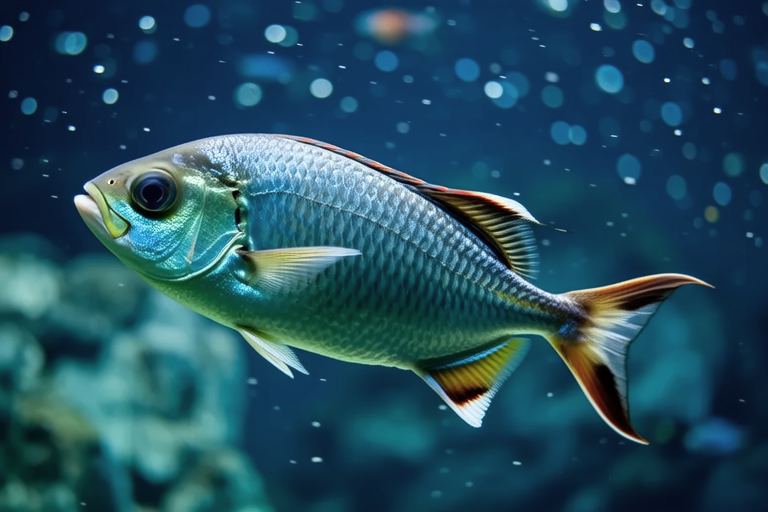
Rajah Cichlids: A Comprehensive Guide
The Rajah cichlid, scientifically known as Vicarius zenckei, is a captivating species native to the Amazon basin. This article delves into the origins, habitat, and unique characteristics of Rajah cichlids, exploring their behavior, dietary needs, and breeding habits in the wild. It transitions to how these fish adapt when introduced into home aquariums, including necessary tank setups, water conditions, and compatible tank mates. Common challenges and tips for successful care are highlighted, focusing on maintaining their health and promoting vibrant coloration. The conclusion emphasizes why Rajah cichlids make fascinating additions to any aquarium.
Origins and Natural Habitat
Native to the Amazon River Basin, Rajah cichlids are found in the tributaries and floodplains of Brazil, Peru, and Colombia. They thrive in slow-moving waters with dense vegetation and abundant hiding spots. Their natural habitat features sandy or muddy substrates and an abundance of driftwood and rocks, which provide shelter and spawning sites.
In the wild, Rajah cichlids are territorial and highly aggressive. They exhibit complex social behaviors, often forming small groups that defend their territory against intruders. Their natural diet consists mainly of insects, crustaceans, and plant matter, which they觅食在河底和水草中。
These cichlids are known for their striking appearance, with males displaying vibrant colors during breeding season. Their robust bodies and elongated fins make them stand out among other freshwater species. Rajah cichlids have adapted to their environment by developing strong jaws and teeth, enabling them to crush hard-shelled prey and efficiently consume plant material.
Behavior, Dietary Needs, and Breeding Habits in the Wild
Rajah cichlids are highly territorial and aggressive, especially during breeding season. Males establish and defend their territories through displays of fin extensions and color changes. Females choose a mate based on the male’s size, coloration, and ability to protect the territory. Once paired, the female lays eggs on a flat surface, such as a rock or leaf, and the male fertilizes them externally.
The parents take turns guarding the eggs and newly hatched fry until they become free-swimming. During this period, both parents aggressively defend the nest from potential predators. After hatching, the fry remain close to the parents for several weeks, relying on parental care for protection and feeding.
Rajah cichlids are omnivorous, feeding on a variety of food sources in the wild. Their diet includes insects, crustaceans, and plant matter. In captivity, it’s essential to replicate their natural diet as closely as possible to ensure optimal health and longevity.
Adapting to Home Aquariums
Introducing Rajah cichlids into a home aquarium requires careful consideration of their specific needs. A spacious tank with ample hiding spots and a sandy or fine gravel substrate is ideal. Driftwood and rocks should be provided to mimic their natural habitat and offer places for spawning. The tank should also have robust filtration to maintain water quality, given the fish’s tendency to stir up the substrate.
Water parameters are crucial for the well-being of Rajah cichlids. They prefer slightly acidic to neutral water with a pH range of 6.0 to 7.5 and a temperature between 75°F and 82°F (24°C to 28°C). Regular water changes and monitoring of ammonia, nitrite, and nitrate levels are essential to prevent health issues.
Selecting appropriate tank mates is vital to ensure peaceful coexistence. Rajah cichlids are semi-aggressive and may intimidate smaller or more docile species. Compatible tank mates include robust cichlids, large tetras, and catfish that can hold their own in the tank hierarchy.
Tips for Successful Care
Maintaining the health and vibrancy of Rajah cichlids involves addressing common challenges and implementing effective care strategies. One of the most significant challenges is managing aggression, particularly during breeding season. Providing ample space and hiding spots can help reduce stress and minimize conflicts.
Feeding Rajah cichlids a balanced diet is crucial for their overall health and coloration. A combination of high-quality flakes, pellets, frozen, and live foods replicates their natural diet. Feeding them twice daily and avoiding overfeeding helps prevent water quality issues and promotes healthy growth.
Monitoring water quality and performing regular maintenance are key to preventing health problems. Weekly water changes and the use of beneficial bacteria supplements can enhance water quality and support the fish’s immune system.
Conclusion
Rajah cichlids are a captivating addition to any aquarium, offering a blend of beauty and complexity. Their vibrant colors, robust bodies, and intricate social behaviors make them a favorite among enthusiasts. By understanding their origins, habitat, and specific needs, aquarists can create an environment that mimics their natural surroundings, ensuring their well-being and longevity.
With proper care and attention, Rajah cichlids can thrive in a home aquarium, providing hours of enjoyment and fascination for their owners. Their unique characteristics and behaviors make them a rewarding choice for those willing to invest time and effort into creating a suitable habitat.
