Shiba Inus: A Comparison with Other Popular Dog Breeds
The world of dogs is vast and varied, with each breed offering its own unique set of characteristics. Among these, the Shiba Inu has gained significant popularity in recent years, captivating the hearts of many dog lovers around the globe. This article aims to delve into the world of Shiba Inus, comparing them to other popular dog breeds to highlight their unique features and suitability as companions.
A Brief History of the Shiba Inu
The Shiba Inu, originally from Japan, has a rich history dating back over a thousand years. They were initially bred for hunting small game and were highly valued for their agility and keen sense of smell. Despite their diminutive size, they were formidable hunters, capable of navigating rugged terrain with ease. Today, the Shiba Inu is cherished not only for their hunting prowess but also for their loyalty and companionship. Their name, “Shiba,” means brushwood in Japanese, referring to the dense forests where they were often found.
Unique Characteristics of the Shiba Inu
Loyalty and Adaptability
One of the most striking aspects of the Shiba Inu is their unwavering loyalty. These dogs form strong bonds with their owners, displaying a protective nature that can be both comforting and endearing. Dr. Sarah Johnson, a canine behaviorist, notes, “Shibas have a unique ability to read their owner’s emotions, making them excellent companions during tough times.” Their adaptability makes them suitable for various living environments, from bustling city apartments to serene suburban homes. They are known to thrive in both settings, provided they receive adequate mental stimulation and exercise.
Aesthetic Appeal
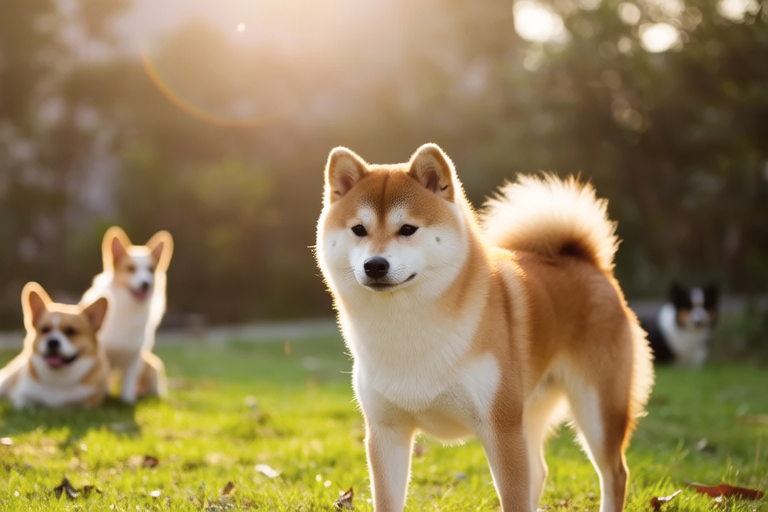
The Shiba Inu’s appearance is one of its most distinguishing features. With their small yet sturdy build, they stand approximately 14 to 16 inches tall and weigh between 17 to 23 pounds. Their double coat, which comes in red, black and tan, or sesame (a mix of red and black), provides insulation against harsh weather conditions. The outer coat is coarse and straight, while the undercoat is soft and thick. This combination gives them a distinctive “cat-like” appearance, particularly when they shake off water or dirt.
Physical Traits, Temperament, Grooming Needs, and Health Considerations
Temperament
Shiba Inus are independent thinkers, which can make training challenging at times. However, with patience and positive reinforcement, they can learn commands and tricks. Their playful nature often leads to games of fetch and hide-and-seek, providing ample opportunities for bonding. Despite their playful demeanor, Shibas can be aloof with strangers, preferring the company of familiar faces. This trait can be beneficial for families seeking a dog that is protective without being overly aggressive.
Grooming Needs
Maintaining the Shiba Inu’s coat requires regular brushing, especially during shedding seasons. The twice-yearly blow-out period can result in a significant amount of fur, so a good quality vacuum cleaner is essential. Bathing should be done sparingly, as frequent washing can strip the coat of its natural oils. Dental care is also crucial, as Shibas are prone to dental issues. Regular brushing and professional cleanings can help prevent gum disease and tooth decay.
Health Considerations
Like all breeds, Shibas are susceptible to certain health conditions. Common issues include hip dysplasia, patellar luxation, and progressive retinal atrophy. Regular veterinary check-ups and a balanced diet can help mitigate these risks. Vaccinations and preventive treatments for parasites are also important to ensure your Shiba Inu lives a long and healthy life.
Comparisons with Other Popular Dog Breeds
Comparison with the Pug
The Pug, another small breed, shares some similarities with the Shiba Inu in terms of size and adaptability. Both breeds are well-suited for apartment living due to their relatively small size. However, there are notable differences in energy levels and trainability. Pugs are generally more laid-back and require less exercise than Shibas. While Shibas are known for their independent nature, Pugs are typically more eager to please their owners, making them easier to train. Additionally, Pugs are prone to breathing difficulties due to their flat faces, whereas Shibas have fewer respiratory issues.
Comparison with the Border Collie
The Border Collie is a larger breed, standing about 19 to 22 inches tall and weighing between 30 to 55 pounds. They are highly energetic and require substantial amounts of physical and mental stimulation. Border Collies excel in activities such as herding, agility, and obedience trials. In contrast, Shibas have moderate energy levels and are more suited for casual outdoor activities like walks and playtime in the park. Trainability is another area where these breeds differ. Border Collies are among the most intelligent and trainable breeds, while Shibas can be more challenging to train due to their independent nature.
Comparison with the Labrador Retriever
The Labrador Retriever, a medium to large breed, is one of the most popular dog breeds globally. They are known for their friendly disposition and excellent trainability, making them ideal family pets. Labradors are highly adaptable, thriving in various living environments, including rural areas, cities, and suburbs. While Shibas can be loyal companions, their aloofness with strangers might make them less suitable for households with frequent visitors. Additionally, Shibas are generally quieter than Labradors, who are known for their barking tendencies.
Why Shiba Inus Are Winning Hearts Worldwide
The charm, resilience, and growing global community dedicated to Shiba Inus are key factors contributing to their increasing popularity. Their unique blend of independence and loyalty, coupled with their striking appearance, has made them a favorite among dog enthusiasts. The Shiba Inu Club of America, established in 1954, has played a pivotal role in promoting the breed and connecting owners worldwide. Social media platforms have further amplified the breed’s appeal, with countless posts showcasing their antics and endearing moments.
Experts predict that the Shiba Inu’s popularity will continue to grow, driven by their adaptability, low maintenance grooming requirements, and the growing interest in smaller dog breeds. As more people discover the joys of owning a Shiba Inu, it’s clear that these dogs will remain a beloved choice for many years to come.
In conclusion, the Shiba Inu stands out as a unique and charming addition to the canine world. With their rich history, loyalty, adaptability, and aesthetic appeal, they offer a rewarding companionship experience. Whether you’re a seasoned dog owner or considering adding your first furry friend to your family, the Shiba Inu is certainly worth considering. Their growing global community and continued rise in popularity are testaments to their enduring appeal.
