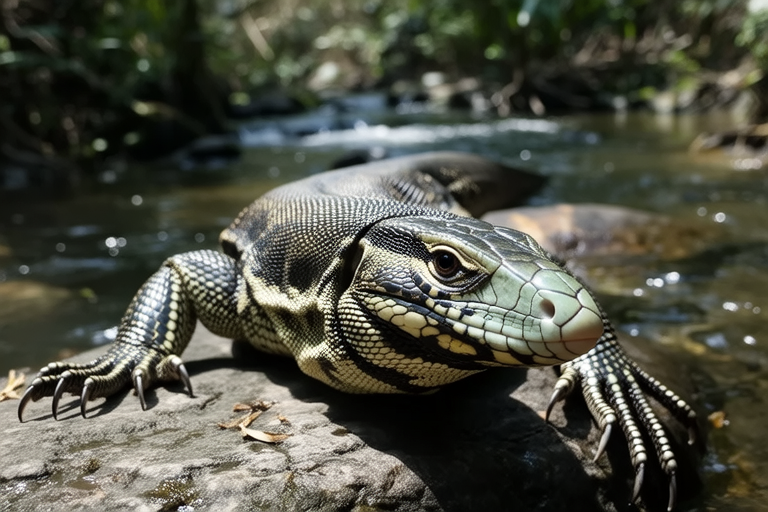
Top 10 Reasons Why the Water Monitor Should Be Your Next (and Largest) Pet Companion
The idea of owning a water monitor as a pet may seem unconventional or even intimidating to many. However, these fascinating creatures, scientifically known as Varanus salvator, offer a unique and rewarding companionship for those willing to take on the challenge. This article delves into the top ten reasons why a water monitor might be your next pet companion, focusing on their unique characteristics, care requirements, and the benefits they bring to their owners.
1. A Unique and Diverse Personality
Water monitors exhibit a wide range of personalities, much like dogs or cats. They can be playful, curious, and highly interactive. Scientific studies have shown that these reptiles can recognize and respond to their caretakers, forming bonds over time. Some individuals may even enjoy being handled, though this varies widely from one monitor to another. Their intelligence is evident in their problem-solving abilities, which make them engaging pets for those who appreciate mental stimulation.
2. Versatile Diet
Water monitors are omnivorous, which means they consume both plant matter and animal protein. In the wild, their diet includes insects, fish, small mammals, and fruits. As pets, they can be fed a variety of foods, including rodents, feeder fish, crickets, and vegetables. Proper nutrition is crucial for their health, so it’s important to consult with a veterinarian specializing in reptiles to ensure you’re providing a balanced diet.
3. Adaptability to Aquatic and Terrestrial Environments
One of the most striking features of water monitors is their ability to thrive both in water and on land. They are excellent swimmers, capable of diving to depths of up to 45 meters. Their semi-aquatic lifestyle requires a habitat that mimics their natural environment, with ample space for swimming and climbing. This adaptability makes them an interesting subject for enthusiasts who want to observe different behaviors based on environmental changes.
4. Lifespan and Long-Term Commitment
Water monitors have a lifespan of around 10 to 20 years, depending on care and genetics. This long-term commitment means that adopting a water monitor is a serious decision. Owners must be prepared to provide consistent care and attention throughout the reptile’s life. The longevity of these animals also underscores the importance of ensuring they have a healthy and enriching environment from the start.
5. Educational Value
Owning a water monitor can be an educational experience for both adults and children. These reptiles are native to Southeast Asia and are part of a diverse ecosystem. Learning about their natural habitat, behaviors, and conservation status can foster a deeper appreciation for wildlife and biodiversity. For families, having a water monitor can serve as a teaching tool, encouraging curiosity and respect for nature.
6. Exercise and Mental Stimulation
Water monitors are active animals that require plenty of exercise to maintain their health. Providing a large enclosure with climbing structures, hiding spots, and swimming areas is essential. This setup not only keeps them physically fit but also provides mental stimulation. Enriched environments encourage natural behaviors, such as foraging and exploring, which can prevent boredom and related behavioral issues.
7. Social Interaction
While water monitors are not social animals in the same way as dogs or parrots, they can form strong bonds with their handlers. Regular interaction, such as feeding and gentle handling, can help establish trust. It’s important to note that each monitor has its own temperament, and some may be more inclined to interact than others. Patience and consistency are key when building a relationship with a water monitor.
8. Habitat Requirements
Maintaining a suitable habitat for a water monitor is one of the most significant challenges for potential owners. These reptiles need a spacious enclosure that allows for both aquatic and terrestrial activities. The tank should be large enough to accommodate their size, which can reach up to 2 meters in length for adult males. Water quality is crucial, and regular maintenance, including water changes and filtration, is necessary to prevent disease. Additionally, the temperature and humidity levels must be carefully controlled to mimic their natural environment.
9. Health and Veterinary Care
Water monitors are generally hardy animals, but they can be prone to certain health issues if not cared for properly. Common problems include respiratory infections, metabolic bone disease, and parasites. Regular veterinary check-ups are essential to catch any potential issues early. Finding a vet experienced in reptile care is crucial, as many general practitioners may not have the necessary expertise.
10. Legal and Ethical Considerations
Before deciding to adopt a water monitor, it’s important to research local laws and regulations regarding exotic pets. Some countries and regions have strict restrictions on owning certain species, and importing them may be illegal or require permits. Additionally, ethical considerations come into play, as responsible ownership involves ensuring that the animal’s needs are met and that it does not contribute to the depletion of wild populations.
Conclusion
Owning a water monitor as a pet is a significant commitment that comes with numerous rewards. From their unique personality traits to their adaptability and educational value, these reptiles offer a rich and engaging experience for dedicated owners. However, it’s crucial to understand the responsibilities involved, including providing a suitable habitat, proper nutrition, and ongoing veterinary care. For those willing to take on the challenge, a water monitor can become a fascinating and rewarding member of the family.
