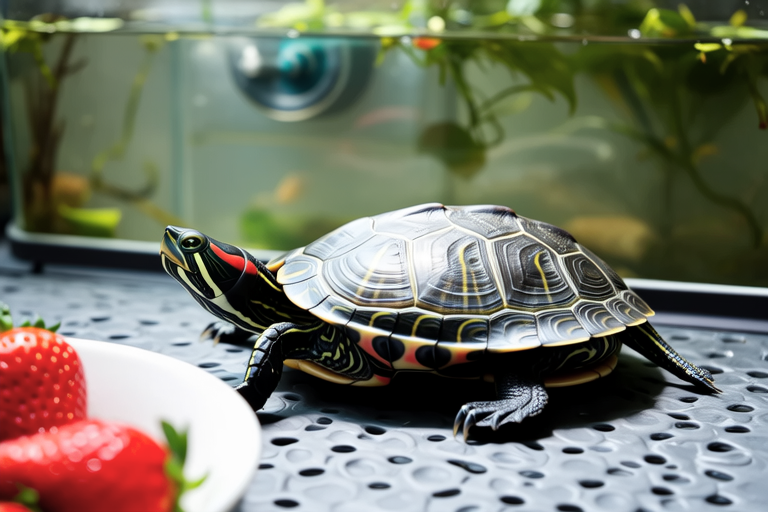
Red-Eared Slider Care Tips: What Every Owner Should Know
Welcome to your comprehensive guide on red-eared slider care! Whether you’re a first-time owner or have been keeping these fascinating creatures for years, understanding their unique needs is key to ensuring they thrive. This article will cover everything from setting up the perfect habitat to maintaining their health and addressing common behaviors.
Understanding Red-Eared Sliders
Red-eared sliders (Trachemys scripta elegans) are one of the most popular pet turtle species due to their vibrant appearance and relatively manageable size. Native to the southern United States, they can live up to 40 years in captivity if cared for properly. Their distinctive red stripes behind each eye give them their name and make them easily recognizable.
Habitat Setup
Creating a suitable environment is crucial for your red-eared slider’s well-being. Here’s what you need:
- Tank Size: A juvenile slider requires at least 10 gallons per inch of shell length; adults need 40 gallons or more.
- Water Quality: Maintain clean water by using a powerful filter and performing regular water changes.
- Basking Area: Provide a dry land area where your turtle can rest and bask under a UVB light source.
- Temperature Control: Keep water temperatures between 75°F and 80°F (24°C – 27°C), with a basking spot reaching 90°F (32°C).
Dietary Requirements
Feeding your red-eared slider a balanced diet is vital for its growth and overall health. Their diet should consist of:
- Commercial Pellets: High-quality turtle pellets provide essential nutrients.
- Vegetables: Offer leafy greens like romaine lettuce, collard greens, and mustard greens.
- Protein: Feed occasional protein sources such as earthworms, crickets, or small fish.
- Variety: Rotate foods to ensure a broad spectrum of nutrients.
Feed juveniles daily, reducing frequency to every other day for adults.
Health Maintenance
Regular monitoring helps catch any health issues early. Common signs of illness include lethargy, loss of appetite, or unusual swimming behavior.
- Veterinary Check-Ups: Schedule annual visits with a reptile veterinarian.
- Shell Care: Clean shells regularly with mild soap and water to prevent infections.
- Eye Health: Monitor eyes for discharge or cloudiness.
- Parasite Prevention: Keep tanks clean and consider regular deworming treatments.
Common Behaviors
Understanding typical behaviors helps you respond appropriately to changes in your turtle’s demeanor:
- Basking: Natural behavior indicating they’re seeking warmth.
- Swimming: Healthy activity level shows good health.
- Hiding: Occasional hiding is normal but excessive may indicate stress.
Water Quality Management
Water quality directly impacts your turtle’s health. Implement these practices:
- Filtration: Invest in a strong filter capable of handling tank volume.
- Water Changes: Perform weekly partial water changes.
- Chemical Testing: Regularly test pH, ammonia, nitrite, and nitrate levels.
Basking Areas
A basking area allows your turtle to regulate body temperature and promote healthy shell development:
- Placement: Position it so that it receives direct sunlight or UVB lighting.
- Heat Source: Use a heat lamp to maintain optimal basking temperature.
- Surface: Provide a flat surface for easy access.
Temperature Control
Maintaining consistent temperatures ensures your turtle remains active and healthy:
- Thermometers: Install thermometers in both water and basking areas.
- Heating Devices: Utilize submersible heaters and heat lamps as needed.
- Monitoring: Regularly check temperatures to ensure they remain within recommended ranges.
Feeding Schedules
Establishing a routine feeding schedule helps manage weight and digestion:
- Frequency: Feed juveniles daily, adults every other day.
- Portion Control: Serve appropriate portions to avoid overeating.
- Timing: Consistency in feeding times promotes regular digestion.
Potential Health Issues
Be aware of common health problems and know how to address them:
- Respiratory Infections: Symptoms include wheezing, nasal discharge, or lethargy.
- Metabolic Bone Disease: Caused by calcium deficiency, leading to weak bones.
- Shell Rot: Fungal or bacterial infection causing soft spots on the shell.
- Eye Problems: Cloudy or swollen eyes may indicate infection.
Proper Handling Techniques
Handling your turtle gently prevents injury:
- Support: Always support its body when lifting.
- Wash Hands: Before and after handling to prevent disease transmission.
- Minimize Stress: Handle only when necessary to avoid stressing the turtle.
Importance of Regular Veterinary Check-Ups
Scheduling routine vet visits ensures early detection and treatment of health issues:
- Annual Exams: Regular check-ups help monitor overall health.
- Dental Care: Some turtles require dental cleaning.
- Immunizations: Consult your vet about vaccinations.
Long-Term Commitment
Owning a red-eared slider involves significant time and financial investment:
- Life Expectancy: They can live 20-40 years.
- Space Requirements: As they grow, so does their need for space.
- Financial Considerations: Budget for food, supplies, and veterinary care.
Legal Considerations
Before acquiring a red-eared slider, familiarize yourself with local regulations:
- Permits: Some areas require permits for exotic pets.
- Size Restrictions: Certain places limit ownership based on size.
- Release Prohibitions: It’s illegal to release pet turtles into the wild.
In conclusion, red-eared sliders make wonderful companions when provided with the right care. By following these guidelines, you’ll create a nurturing environment that supports their longevity and happiness. Remember, responsible pet ownership involves ongoing learning and adaptation to meet your turtle’s evolving needs.
