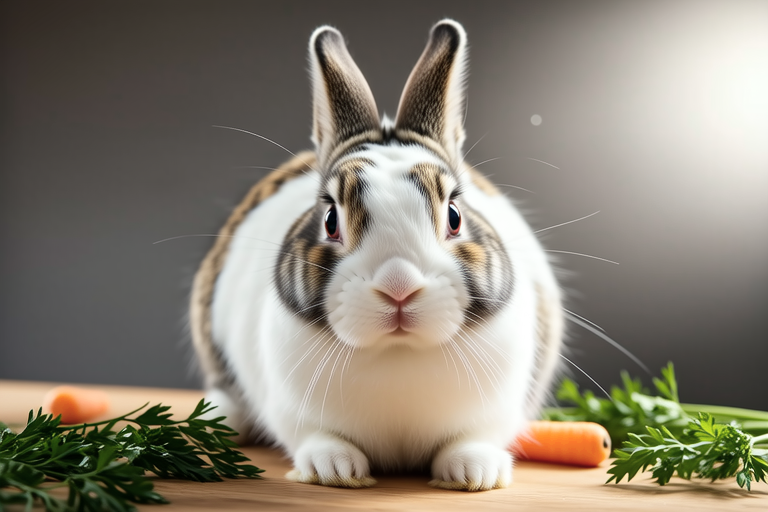
Top 10 Facts You Didn’t Know About Dutch Dwarf Rabbits
Dutch Dwarf Rabbits are one of the most popular breeds among pet owners for their charming appearance and gentle nature. This article delves into ten fascinating facts about these delightful creatures, providing valuable insights for both new and seasoned rabbit enthusiasts.
1. A Brief History of Dutch Dwarf Rabbits
The origins of the Dutch Dwarf Rabbit can be traced back to the early 20th century when breeders in the Netherlands began experimenting with various rabbit species to create a smaller version of the Dutch Rabbit. By crossing the Dutch Rabbit with other small breeds like the Netherland Dwarf, they managed to develop a compact yet robust rabbit with distinctive markings. These rabbits were initially bred for meat production but quickly gained popularity as pets due to their docile temperament and attractive appearance.
2. Unique Physical Characteristics
Dutch Dwarfs are known for their petite size, typically weighing between 1.5 to 2.5 pounds, making them ideal for small living spaces. Their coat comes in a variety of colors, including black, chocolate, blue, and white, often featuring a clear dividing line between the darker body color and lighter belly fur. This striking contrast gives them a classic ‘butterfly’ marking pattern that sets them apart from other breeds.
3. Temperament and Personality Traits
One of the reasons why Dutch Dwarfs make excellent pets is their friendly and sociable demeanor. They tend to be more outgoing than some other breeds, readily bonding with their human companions. However, like all animals, each rabbit has its own personality, so it’s important to spend time getting to know your pet. Providing ample opportunities for interaction will help strengthen the bond between you and your furry friend.
4. Dietary Needs
Proper nutrition is crucial for maintaining the health of your Dutch Dwarf Rabbit. A balanced diet should consist primarily of hay, which aids digestion and keeps teeth worn down. Pellets formulated specifically for dwarf rabbits should also be included, though in moderation, as excessive consumption can lead to obesity. Fresh vegetables and fruits can be offered as treats but should account for no more than 10% of their daily intake.
5. Housing Requirements
Due to their small size, Dutch Dwarfs require less space compared to larger breeds. However, they still need adequate room to move around freely. An indoor cage measuring at least 24 inches wide by 36 inches long by 18 inches high provides sufficient living area. Outdoor hutches should be well-insulated against extreme temperatures and protected from predators. Additionally, providing toys and tunnels encourages mental stimulation and physical activity.
6. Grooming and Maintenance
Despite their short coats, Dutch Dwarfs benefit from regular grooming sessions to remove loose hairs and prevent matting. Brushing once or twice weekly helps maintain their coat’s condition while also reducing shedding throughout the house. Bathing is generally unnecessary unless absolutely required; instead, focus on cleaning dirty areas using damp cloths or wipes designed for rabbits.
7. Health Concerns
While generally healthy, Dutch Dwarfs may be prone to certain conditions such as dental problems, respiratory issues, and gastrointestinal stasis if not properly cared for. Regular veterinary checkups are essential to monitor their overall wellbeing and address any potential health concerns early on. Signs of illness include changes in appetite, behavior, or appearance, so familiarize yourself with common symptoms and seek professional advice promptly if needed.
8. Training and Interaction
Training your Dutch Dwarf Rabbit can enhance communication and deepen your connection. Positive reinforcement techniques, such as offering treats or praise during training sessions, encourage desirable behaviors. Teaching basic commands like coming when called or sitting on command can be fun activities that stimulate mental engagement. Interactive playtime outside the cage fosters trust and strengthens the bond between owner and pet.
9. Suitable Environment
Creating a safe and comfortable environment for your Dutch Dwarf Rabbit involves considering several factors. Temperature control is vital since they prefer cooler climates over hot ones. Provide plenty of shade during warmer months and ensure adequate ventilation year-round. Noise levels should remain consistent to avoid stressing out the sensitive ears of these tiny creatures. Introducing new elements gradually allows them to acclimate without becoming overwhelmed.
10. Lifespan and Longevity
With proper care, Dutch Dwarf Rabbits can live up to 8 years, although individual lifespans may vary based on genetics and environmental factors. Ensuring optimal living conditions through appropriate housing, nutrition, exercise, and medical attention contributes significantly to extending their lifespan. Regular monitoring of weight, coat quality, and general behavior helps identify potential issues before they become serious problems.
Conclusion
Dutch Dwarf Rabbits offer an unparalleled combination of charm, intelligence, and affection, making them beloved companions for many households worldwide. Understanding their unique characteristics, needs, and behaviors ensures a rewarding experience for both the rabbits and their owners alike. Whether you’re a first-time adopter or an experienced breeder, taking the time to learn about this special breed enriches the relationship and promotes a happy, healthy life together.
