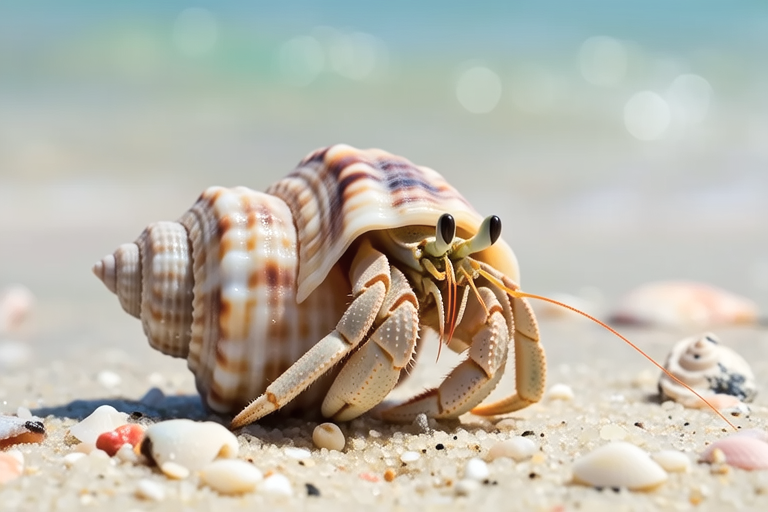
Uncovering the Secret Life of Your Hermit Crab at Home
Welcome to the fascinating world of hermit crabs! These quirky creatures have captured the hearts of many pet enthusiasts with their unique behaviors and charming personalities. Understanding the secret life of your hermit crab at home requires knowledge about their natural habitat, dietary preferences, and specific needs. This article will guide you through the essential aspects of hermit crab care, ensuring that you provide them with a stimulating and healthy environment.
The Natural Habitat: A Tropical Paradise
Hermit crabs originate from tropical coastal regions, thriving in warm, humid environments. Their native habitats include beaches, mangroves, and rocky shores, where they scuttle between the high tide line and the water’s edge. In the wild, hermit crabs live in large colonies, sharing resources and creating complex social structures. Mimicking this environment in your home is crucial for their well-being.
Dietary Preferences: A Balanced Feast
In their natural habitat, hermit crabs are omnivores, feeding on a variety of organic matter, including algae, dead animals, and plant material. To replicate this diet at home, offer a diverse selection of foods. High-quality hermit crab pellets provide essential nutrients, while fresh fruits, vegetables, and occasional protein sources like fish flakes or boiled eggs can be offered as treats. Avoid processed human foods, which may contain harmful additives.
Captivity Needs: Adapting to Home Life
When bringing a hermit crab into your home, it’s important to create an environment that closely resembles their natural habitat. Start by setting up a spacious tank, ideally at least ten gallons per crab, to allow for movement and social interaction. Maintain humidity levels between 70% and 80%, and keep temperatures between 75°F and 85°F (24°C to 29°C) using a heat lamp or under-tank heater.
Shells and Space: The Essentials
Adequate space and appropriate shells are critical for hermit crab happiness. Provide multiple shells of various sizes, shapes, and textures to accommodate molting and growth. Hermit crabs outgrow their shells periodically, so having a selection ensures they can find suitable replacements. Additionally, offering a variety of climbing structures, tunnels, and hiding spots encourages exploration and mental stimulation.
Nocturnal Habits: Nighttime Adventures
Hermit crabs are primarily nocturnal, meaning they are most active during the night. They tend to rest during the day but can still be observed moving around if disturbed. Understanding their sleep patterns helps you avoid unnecessary disturbances and allows them to maintain their natural rhythms. Observing your hermit crabs during their active hours can also provide insight into their behaviors and preferences.
Enriching the Environment: Playful Activities
To keep your hermit crabs engaged and entertained, introduce enrichment activities such as puzzle feeders, tunnels, and shallow water dishes. Hermit crabs enjoy exploring new objects and rearranging their surroundings. Regularly rotating toys and decorations stimulates their curiosity and prevents boredom. Providing safe, non-toxic plants or driftwood can also add visual interest and opportunities for climbing.
Maintaining Water Conditions: Clean and Refreshed
Hermit crabs require access to clean, fresh water for drinking and soaking. Use a shallow dish filled with dechlorinated water, changing it daily to prevent bacterial growth. Additionally, provide a saltwater dish for shell cleaning and hydration maintenance. Ensure the water dishes are shallow enough for easy access and deep enough to cover the crab’s body without submerging its head.
Health and Stress: Signs to Watch For
Monitoring your hermit crab’s health is vital for their longevity and well-being. Healthy hermit crabs are active, alert, and exhibit normal feeding behavior. Signs of stress or illness include lethargy, loss of appetite, irregular shell changes, and unusual behavior. If you notice any concerning symptoms, consult a veterinarian specializing in exotic pets for diagnosis and treatment.
Bonding and Handling: Building Trust
While hermit crabs may seem distant due to their nocturnal nature, they can form bonds with their owners through gentle handling and positive reinforcement. Approach your hermit crabs with patience, allowing them time to adjust to your presence. Use a soft brush or cloth to gently coax them out of their shells, offering treats as rewards for cooperation. Over time, consistent and respectful interactions can foster trust and a deeper connection.
Conclusion: A Rewarding Journey
Understanding and meeting the needs of your hermit crabs can lead to a rewarding and fulfilling experience for both pets and owners. By providing a stimulating environment, attentive care, and regular interaction, you can ensure the health and happiness of these unique creatures. Embrace the journey of uncovering the secret life of your hermit crab, and enjoy the joy and wonder they bring into your home.
