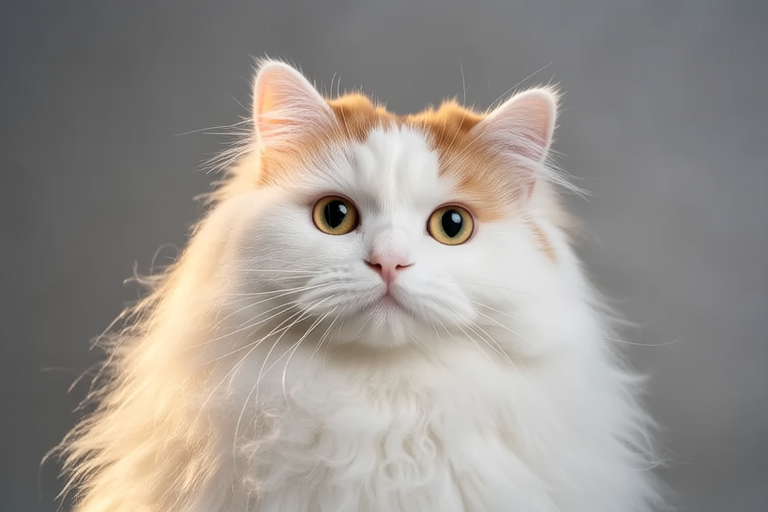
Persian Cats Unveiled: The Secrets Behind Their Luxurious Coats
Welcome to a journey into the world of Persian cats, one of the most beloved and iconic breeds in the feline kingdom. Known for their striking appearance and luxurious coats, these regal creatures have captivated hearts for centuries. This article delves into the genetics, history, grooming, and health aspects of Persian cats, providing you with all the information you need to understand and appreciate these magnificent animals.
The Popularity and Distinctive Appearance of Persian Cats
Persian cats are among the most popular and recognizable cat breeds globally. Their large, round eyes, flat faces, and plush coats make them stand out from other breeds. These cats exude elegance and grace, often described as living works of art. Their appearance has been featured in countless paintings, advertisements, and movies, cementing their status as cultural icons.
One of the most distinctive features of Persian cats is their coat. It’s not just any coat; it’s a thick, silky, and luxurious one that flows like water when they move. The fur can be found in various colors and patterns, ranging from solid white to black, silver tabby, and everything in between. Their coats are soft to the touch, and their facial structure gives them a unique, almost human-like expression, making them incredibly endearing.
Genetic Factors Contributing to Their Long, Luxurious Coats
The allure of Persian cats lies in their stunning coats, which are the result of complex genetic factors. The primary gene responsible for fur length is the Long Hair (L) gene. Cats with two copies of this gene (LL) have long hair, while those with one copy (Ll) are short-haired. Persian cats are homozygous for the Long Hair gene, ensuring their luxurious coats.
In addition to the Long Hair gene, several other genes contribute to the texture and quality of their fur. For instance, the Rex gene is responsible for curly or wavy fur, while the Angora gene produces silkier coats. These genetic combinations create a diverse range of textures within the breed, each adding to its charm.
The genetic makeup of Persian cats also influences their color and pattern variations. The Agouti gene determines whether a cat’s coat will be banded (tabby) or solid, while the Colorpoint gene is responsible for temperature-sensitive pigmentation, resulting in distinct coloration on the face, ears, paws, and tail.
Grooming Requirements and Tips for Maintaining Their Coats
Maintaining a Persian cat’s coat requires dedication and regular care. Due to their dense, long fur, these cats are prone to matting if not groomed properly. Daily brushing is essential to prevent tangles and keep the coat smooth and healthy. Use a slicker brush or a comb designed for long-haired cats to gently remove loose fur and debris.
Bathing is another crucial aspect of grooming. Persians should be bathed every few weeks to keep their coats clean and free of oils and dirt. Use a mild, pH-balanced shampoo specifically formulated for cats, and ensure thorough rinsing to avoid residue buildup. After bathing, dry your cat thoroughly to prevent chilling.
Nail trimming and ear cleaning are also important parts of maintaining a Persian cat’s hygiene. Trim their nails regularly to prevent overgrowth, which can lead to discomfort and injury. Clean their ears with a gentle cleanser and cotton balls to prevent infections.
It’s also vital to provide your Persian cat with a high-quality diet rich in nutrients that promote healthy skin and coat. Omega-3 fatty acids, found in fish oil supplements, can help improve the condition of their fur, making it shinier and less prone to breakage.
The History of Persian Cats and How Selective Breeding Has Shaped Their Coat Characteristics
The origins of Persian cats can be traced back to ancient Persia (modern-day Iran), where they were valued for their beauty and companionship. These cats were brought to Europe by traders and diplomats in the 17th century, where they quickly became favorites among the elite. Their luxurious coats and serene demeanor made them ideal pets for royal courts and aristocratic households.
Selective breeding played a significant role in shaping the Persian cat’s distinctive appearance. Breeders focused on enhancing the breed’s physical traits, particularly the length and texture of their coats. Over time, Persian cats developed their signature long, flowing fur, giving them a majestic and regal look.
The introduction of different color and pattern variations further enriched the breed’s diversity. By crossbreeding Persians with other long-haired breeds, such as the Angora, breeders created a wide array of coat colors and patterns, including solid whites, black smokes, and tortoiseshells. This selective breeding process has resulted in the diverse and visually stunning Persian cats we know today.
Health Issues Related to Their Coats and Advice for Keeping Them Healthy
While Persian cats are known for their luxurious coats, they are also susceptible to certain health issues related to their fur. One of the most common problems is matting, which occurs when the fur becomes tangled and matted. Regular grooming can prevent this, but if mats do form, they should be carefully removed with scissors to avoid harming the cat’s skin.
Another issue is hairballs, which occur when cats ingest loose fur during grooming. While occasional hairballs are normal, excessive coughing or vomiting may indicate a more serious problem. Providing your cat with a hairball remedy or dietary supplement can help manage this issue. Additionally, feeding a diet rich in fiber can aid digestion and reduce hairball formation.
Persian cats are also prone to respiratory issues due to their flattened faces. The structure of their nasal passages and sinuses can make it difficult for them to breathe, especially in hot or humid environments. Ensuring your cat has access to fresh air and maintaining a cool, comfortable living environment can help alleviate these symptoms.
To keep your Persian cat healthy, regular veterinary check-ups are essential. Your veterinarian can monitor your cat’s overall health, address any concerns, and recommend appropriate treatments or supplements. Early intervention is key to managing potential health issues and ensuring your cat enjoys a long, happy life.
In conclusion, Persian cats are truly remarkable animals, combining beauty, grace, and charm in one package. Understanding the genetic factors behind their luxurious coats, the history of the breed, and the grooming and health requirements necessary to maintain them can enhance your appreciation and enjoyment of these magnificent creatures. Whether you’re a seasoned cat enthusiast or considering adopting a Persian cat, this knowledge will help you provide the best possible care for your feline friend.
