Discover the Coolest Ragdoll Cat Facts You Need to Know!
Introduction:
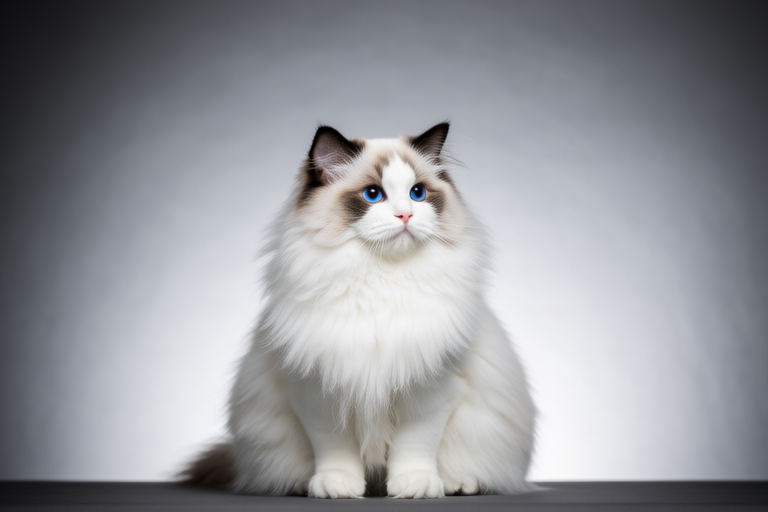
Welcome to the world of Ragdoll cats! Known for their striking blue eyes and luxurious semi-long coats, these gentle giants have captured the hearts of many cat lovers around the globe. Ragdolls are often described as the “puppy of the cat world” due to their affectionate nature and tendency to go limp when picked up, resembling a rag doll. In this article, we will dive into the unique traits, behaviors, and care tips that make Ragdoll cats one of the most sought-after feline companions.
The Unique Traits and Behaviors of Ragdoll Cats:
Ragdolls are renowned for their friendly and docile temperament, making them excellent companions for families and individuals alike. These cats are known to follow their owners from room to room, seeking out attention and affection. Their laid-back demeanor is a result of their genetics; they were selectively bred to be calm and gentle, perfect for homes with children or other pets.
One of the most distinctive features of Ragdoll cats is their semi-long coat, which requires regular grooming to keep it healthy and tangle-free. Despite their luxurious appearance, Ragdolls are generally low-maintenance when it comes to shedding, thanks to their coat’s density. Regular brushing can help prevent matting and reduce hairballs.
Ragdolls also exhibit a fascinating behavior known as “trancing.” When held, they often go completely limp, a trait that has given them their name. This behavior is not exclusive to Ragdolls, but they are particularly famous for it. Many owners report that their Ragdolls will fall asleep in their arms, providing a comforting and serene experience.
Physical Characteristics of Ragdoll Cats:
Ragdolls are large, muscular cats with a broad chest and strong legs. Males typically weigh between 12 to 20 pounds, while females range from 8 to 15 pounds. Their coat is medium-length, plush, and silky, with a soft undercoat that provides insulation during colder months. The coat color can vary widely, including seal, chocolate, blue, lilac, red, and cream, often with points on the face, ears, paws, and tail.
One of the most striking features of Ragdoll cats is their piercing blue eyes. These eyes are large, round, and expressive, adding to their captivating appearance. Their eyes are often compared to sapphires, and they can vary slightly in shade, from deep indigo to light blue.
Ragdolls have a well-proportioned head with a slight roundness, a short muzzle, and prominent whisker pads. Their ears are medium-sized and set wide apart, giving them a sweet and approachable expression.
Grooming Needs:
While Ragdolls have a semi-long coat, their grooming needs are relatively manageable. They require regular brushing to prevent matting and keep their coat in top condition. Weekly brushing is recommended, especially during shedding seasons, to remove loose hair and distribute natural oils throughout the coat. Using a slicker brush or a metal comb can help prevent tangles and knots.
Bathing is usually not necessary unless the cat gets dirty or develops a skin condition. If bathing is required, it is essential to use a gentle, pH-balanced shampoo designed for cats. After bathing, thoroughly dry your Ragdoll to prevent chills and discomfort.
Dental hygiene is also crucial for maintaining your Ragdoll’s overall health. Brushing their teeth regularly with a cat-specific toothpaste can help prevent dental issues such as gum disease and bad breath. Providing dental treats or toys can also contribute to good oral health.
Common Health Issues:
Like all breeds, Ragdolls are prone to certain health issues. Hypertrophic cardiomyopathy (HCM) is a genetic heart condition that can affect Ragdolls, leading to thickening of the heart muscle and reduced blood flow. Regular veterinary check-ups, including echocardiograms, can help detect HCM early and manage the condition effectively.
Ragdolls may also be susceptible to urinary tract infections, especially if they are overweight or inactive. Ensuring your Ragdoll stays at a healthy weight and providing opportunities for exercise can help prevent these issues. Encouraging water consumption by offering multiple clean water sources and wet food can also promote urinary health.
Other common health concerns include allergies and respiratory infections. Ragdolls with sensitive skin may develop allergic reactions to certain foods, environmental factors, or grooming products. Identifying and eliminating the allergen is crucial for managing allergies. Respiratory infections can occur due to viral or bacterial infections, so it’s important to maintain a clean living environment and avoid exposing your cat to sick animals.
Care Tips for Ragdoll Owners:
Providing a safe and stimulating environment is key to keeping your Ragdoll happy and healthy. Ragdolls enjoy interacting with their surroundings and benefit from interactive toys, scratching posts, and climbing structures. These activities can help keep them mentally and physically engaged, reducing the risk of boredom-related behaviors like excessive meowing or scratching.
Feeding a high-quality diet tailored to your Ragdoll’s age, size, and activity level is essential for maintaining their health. Consult with your veterinarian to determine the best feeding plan for your cat. Many owners find that wet food helps encourage water intake and supports urinary health.
Socialization is another critical aspect of raising a Ragdoll. Introducing your cat to various people, animals, and environments from a young age can help them become confident and well-adjusted adults. Positive reinforcement training can also enhance your bond with your cat and teach them desirable behaviors.
Real-Life Examples and Anecdotes:
Lisa, a proud Ragdoll owner from New York, shares her experience: “My Ragdoll, Luna, is the perfect companion. She loves following me around the house and curls up in my lap whenever I sit down. One day, I was reading a book, and Luna fell asleep in my arms. It was such a peaceful moment, and I realized how much she enjoys being close to me.”
Another owner, Mark, from California, mentions, “Our Ragdoll, Max, is always ready for playtime. He loves chasing after feather toys and playing hide-and-seek with us. His playful nature keeps him active and prevents him from becoming too sedentary.”
These stories illustrate the unique personalities and behaviors of Ragdoll cats, making them beloved pets for many families.
Conclusion:
Ragdoll cats are truly remarkable creatures, combining stunning physical attributes with a gentle and affectionate temperament. Whether you’re an experienced cat owner or considering welcoming a Ragdoll into your home for the first time, understanding their unique needs and behaviors can help ensure a long and happy life together. By providing proper care, attention, and love, you can enjoy the companionship of a Ragdoll for years to come. Embrace the joy and comfort that Ragdolls bring, and experience the magic of these extraordinary cats.
